
Displaying items by tag: climate change appalachia
The South’s hidden climate threat
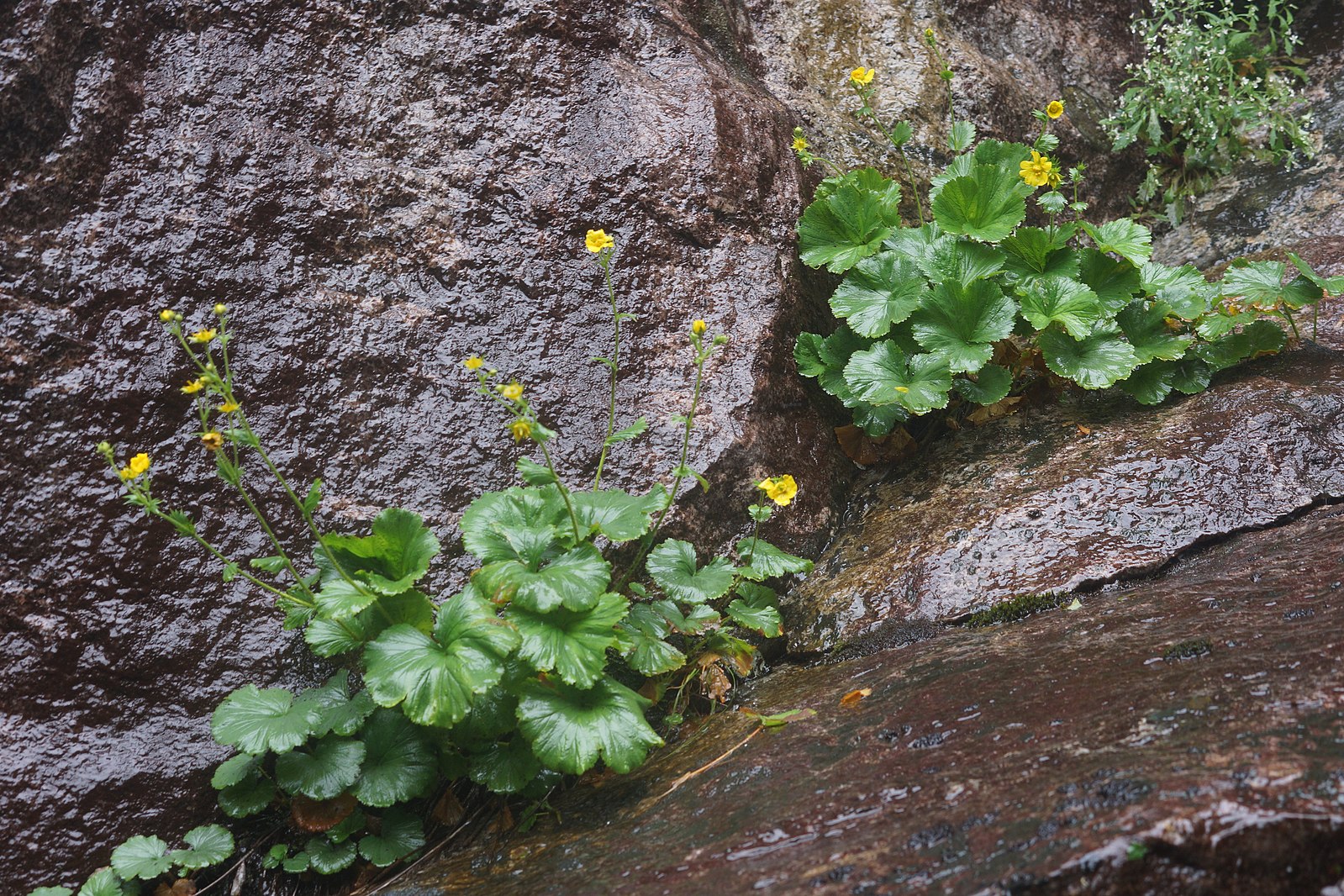 Spreading avens are seen in bloom in the Appalachians. The endangered long-stemmed perennials survive in higher mountain elevations but their lack of space to move higher in elevation in times of climate change and warming further threaten the plant. USFWS
It’s not just the coastlines that are recording climate change. Even the mountains of North Carolina are feeling the heat — including some endangered plants
“Atlanta reporter Dan Chapman retraced John Muir’s 1867 trek through the South, including the naturalist’s troubling legacy, to reveal environmental damage and loss that’s been largely overlooked.” This is an excerpt published by The Revelator from his book, A Road Running Southward: Following John Muir’s Journey Through an Endangered Land.
BOONE — It’s a wonder anything survives the ice, snow, and winds that pummel the ridge, let alone the delicate-seeming yellow flowers known as spreading avens.
The lovely, long-stemmed perennials are exceedingly rare, officially listed as endangered, and found only in the intemperate highlands of North Carolina and Tennessee. They sprout from shallow acidic soils underlying craggy rock faces and grassy heath balds. At times blasted with full sun, but mostly shrouded in mist, the avens are survivors, Ice Age throwbacks that refuse to die. Geum radiatum is only known to exist in fourteen places, including hard-to-find alpine redoubts reached via deer trail or brambly bushwhacking.
Fire, fog, floods: Scientists probe climate-change impacts in Smokies
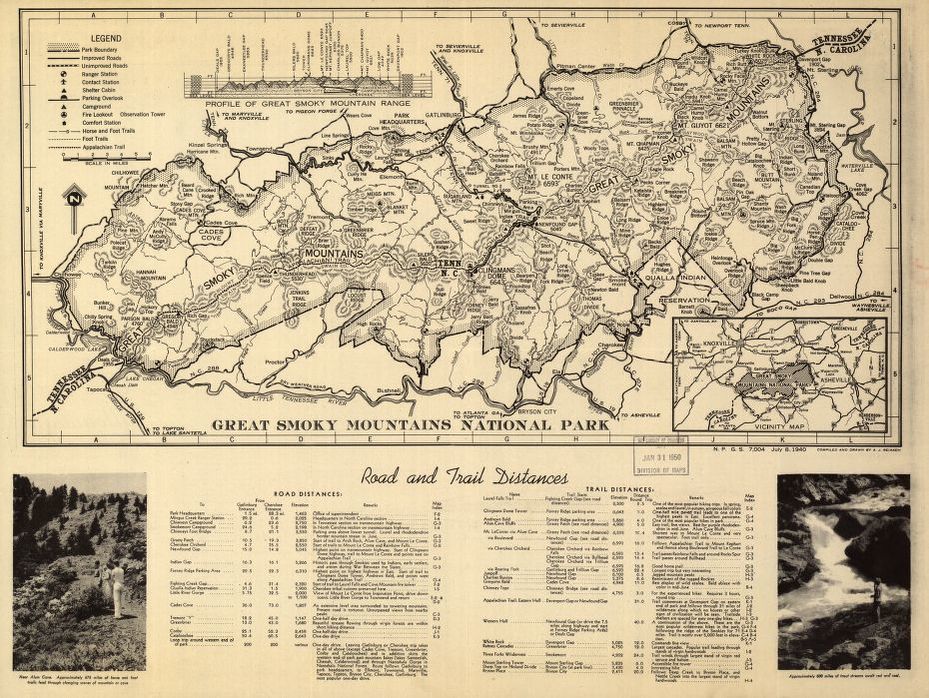 Many climate-change related issues have appeared since publication of this vintage map of Great Smoky Mountains National Park. Library of Congress
Invasive insects are among the vanguard of noticeable climate changes in America’s most-visited national park
GATLINBURG — Ants scurry beneath the carpet of last year’s leaves in Great Smoky Mountains National Park. The native ants are busy spreading the seeds of violets and bloodroot, preparing a new carpet of spring wildflowers to draw thousands of visitors.
But the local insects aren’t alone under there. They have become prey to venomous Asian needle ants that also prowl the leaf litter.
These invaders dine on termites, other ants and insects, while stealing habitat from them. Unlike invasive fire ants, needle ants can live in pristine forests and build large colonies with hundreds of queens. But like fire ants, needle ants have a painful sting that can trigger an allergic reaction.
Climate change is expected to make it easier for invasive species like needle ants to upset the delicate balance of this temperate rainforest full of rare plants and animals. That’s just one example.
- great smoky mountains
- climate change appalachia
- southern appalachian climate change
- great smoky mountains national park climate change
- needle ant
- are ants affected by climate change
- daniel malagon
- ana barro
- jason fridley
- paul super
- ipcc
- climate precipitation change
- smokies science
- national ecological observatory network
- neon
- armadillo
- invasive species
- change in precipitation
- importance of cloud to water balance highelevation ecosystem
- biodiversity
- climate change research
- sampling plot