
Displaying items by tag: monarch butterfly
Monarch butterflies, an ephemeral but regular glimpse of beauty, are fluttering toward extinction
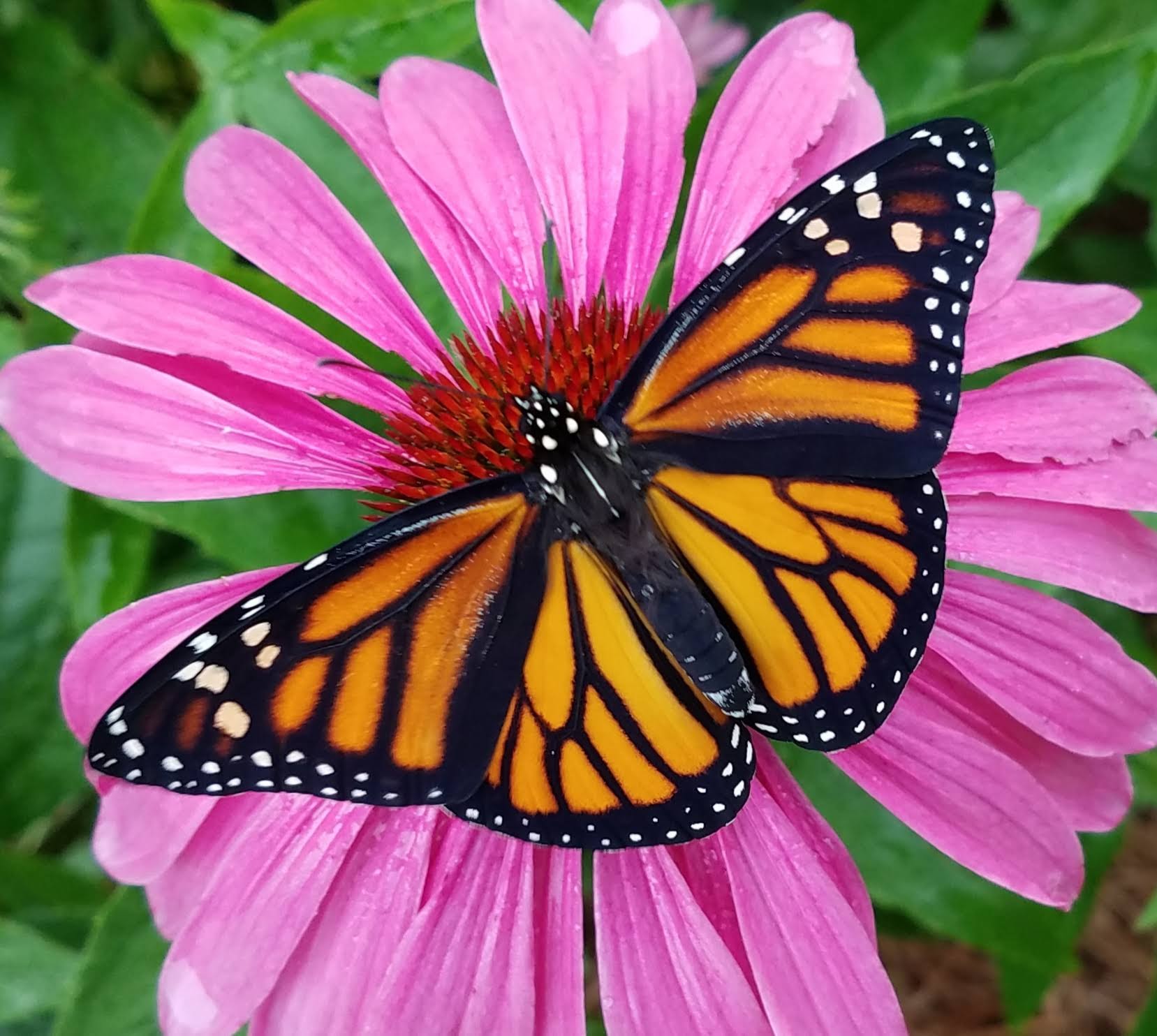 A monarch butterfly, recently declared endangered despite decades of conservation, is seen atop a coneflower. Stephen Lyn Bales
Dramatic monarch declines mean the bell tolls for we
KNOXVILLE — Monarch butterflies are ephemeral by nature. The orange and black dalliances that flitter through our lives, our yards, and our countryside like motes of dust are here one minute and gone the next. We pause for a few seconds to watch the “flutter-bys” and then move on.
For about all of the Lepidopteran family, where they come from, where they go, their raison d'être, we don’t ask. They are winged wisps that pass through our busy lives. But that is not true with this orange and black butterfly, named to honor King William III of England, the Prince of Orange. But two people did ask.
Norah and Fred Urquhart lived in Southern Canada and in the late 1930s they noticed that the monarch butterflies seemed to all be fluttering south this time of the year. Could they possibly be migrating and if so, where did they go? The notion that a butterfly might migrate south for the winter seemed hard to fathom. Yes, broad-winged hawks migrate. But a flimsy butterfly?
- monarch butterfly
- monarch
- are monarchs endangered?
- stephen lyn bales
- stephen bales
- ijams nature center
- lepidoptera
- catalina aguado
- norah and fred urquhart
- flight of the butterflies
- xerces society
- great smoky mountains institute at tremont
- danaus plexippus ssp plexippus
- endangered species
- international union for conservation of nature
- pesticide
- pollinator
- habitat loss
- climate change
- herbicide
- mexico
Even the movement of butterflies is affected by supply-chain issues
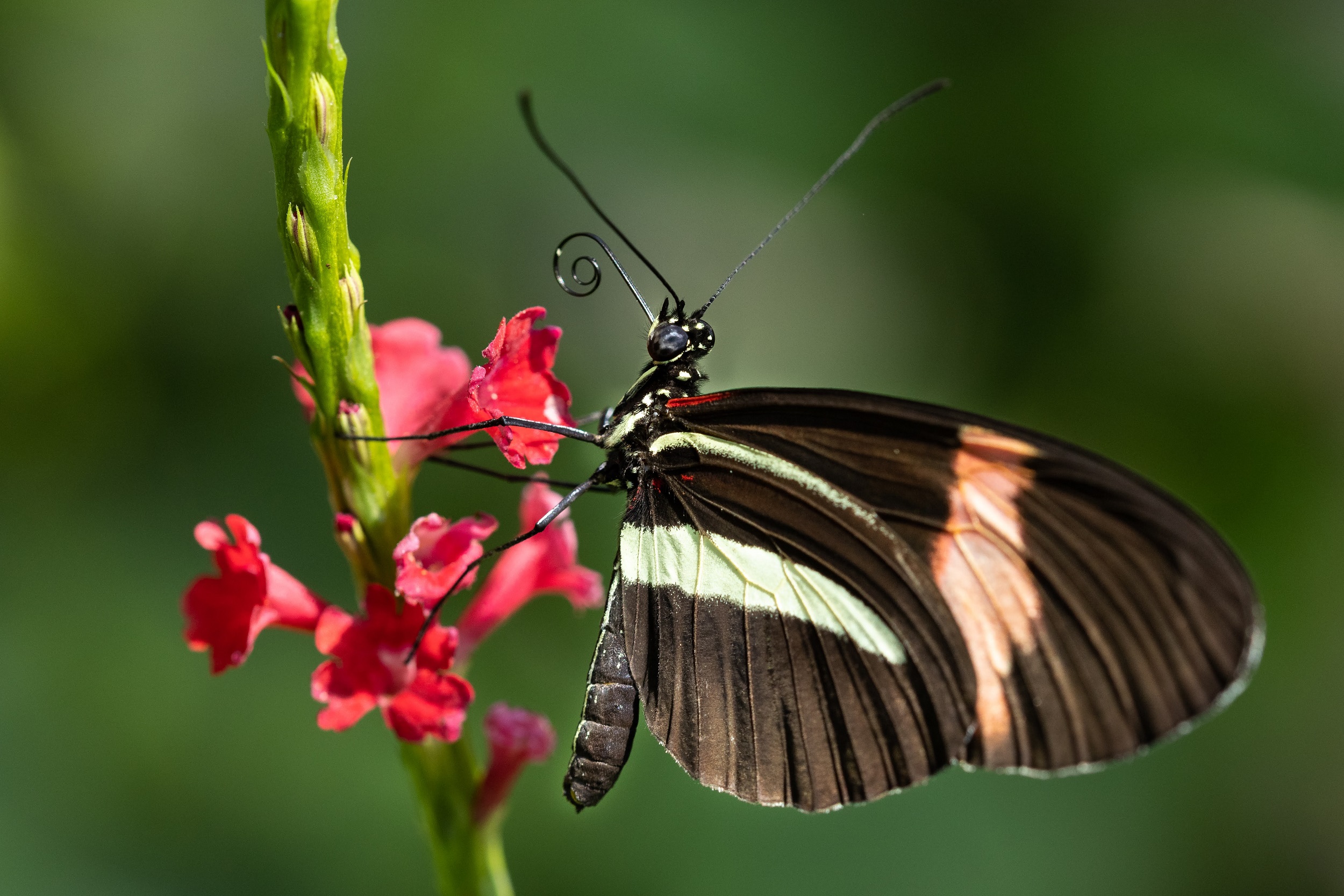 A postman butterfly feeds on a bloom in the Tennessee Aquarium’s Butterfly Garden in Chattanooga. At any one time, the garden may host 1,000 to 1,500 butterflies representing more than 200 species. Courtesy Tennessee Aquarium
Butterflies are back at the Tennessee Aquarium after pandemic bottleneck
Some of the Tennessee Aquarium’s most entrancing, cherished residents — and there are literally thousands of them — have been absent for more than a year and a half.
The aquarium has been unable to source butterflies to fill the Ocean Journey building’s Butterfly Garden since early 2020 because of supply chain disruptions.
The butterflies typically originate from Costa Rica. Every week, about 500 butterfly chrysalises — the life stage between caterpillars and full-fledged adults — are delivered to the aquarium. By raising specific plants, Costa Rican farmers can attract butterflies that use the plants as egg-laying sites and feeding sources for their offspring. By collecting and shipping chrysalises to facilities like the aquarium, farmers can earn a reliable income without resorting to destructive agricultural practices that threaten their country’s rainforests.
And just in time for the holidays, the Tennessee Aquarium’s Butterfly Garden will reopen to the public Nov. 5. This warm, light-filled gallery in Chattanooga is once again filled with these jewel-like insects, which flutter in the air by the hundreds.
“They have so many bright colors and intricate patterns that they’re kind of like living works of art,” said entomologist II Rose Segbers. “The butterfly garden is special because it’s completely immersive. There really aren’t any barriers between guests and the butterflies or the habitat.
“You can see everything just like you would in nature, and a butterfly might even land on you.”
Walking through the garden is like being whisked into the steamy, lush wilds of a Costa Rican rainforest. The interior of the gallery is always kept warm and humid — a welcome escape from the cooler, dreary days of autumn — and seemingly every leaf, blossom and branch serves as temporary resting spot for butterflies of every description.
At any one time, the garden houses as many as 1,500 butterflies. These can come from any of more than two dozen species, from cerulean-winged blue morphos to enormous tawny owls with their tell-tale eyespots.
“You get a lot of variety in here,” Segbers said. “If you come here one week, you’ll see a certain variety of butterflies, but if you come back a week later, you might see completely different ones. It gives people a good excuse to keep coming back.”
The cocoon-like chrysalises can be viewed hanging from racks through a special viewing window in the garden. Their shells often look drastically different from the butterflies within. Who would suspect that the familiar orange, black and white monarch butterfly would come from a gold-fringed, jade chrysalis or that leaf-like pink or green chrysalises are host to brilliant yellow cloudless sulfurs?
 Entomologist Rose Segbers pins blue morpho butterfly pupae to a hanging tray, where they will hang until they emerge in a few weeks time. Courtesy Tennessee Aquarium
Ijams gets down to Earth with our winged friends

Certified master bander Mark Armstrong tends gently to a tufted titmouse shortly before turning his attention to a hummingbird. Thomas Fraser/Hellbender Press
Ijams Nature Center offers a celebration of winged creatures that can bring us all to new heights
The hummingbird buzzed to freedom from a loving human hand into the early midsummer morning.
It was the latest bird to be tagged after collection from a harmless mist net as volunteer naturalists introduced the uninitiated and curious to the simple wonder of birds and the more complicated collections of data needed to ensure their wellbeing.
The hummingbird, along with at least one tufted titmouse, was just one of many feathered friends captured in the pleasantly cool air at Ijams and described in detail by naturalists and friends Saturday morning (Aug. 28) during Ijams Nature Center’s biggest annual educational showcase: the Hummingbird Festival: Celebration of Wings, presented by Ergon Terminaling Inc. and Trust Company of Tennessee.
But it was also a celebration of connections between earth and air as attendees passed from conservation displays to food and natural products and crafts stands. Animals on display ranged from an owl and groundhog to an apple-chewing opossum.