The Environmental Journal of Southern Appalachia

$30m comes home to roost for Foothills Parkway rehab project

Written by

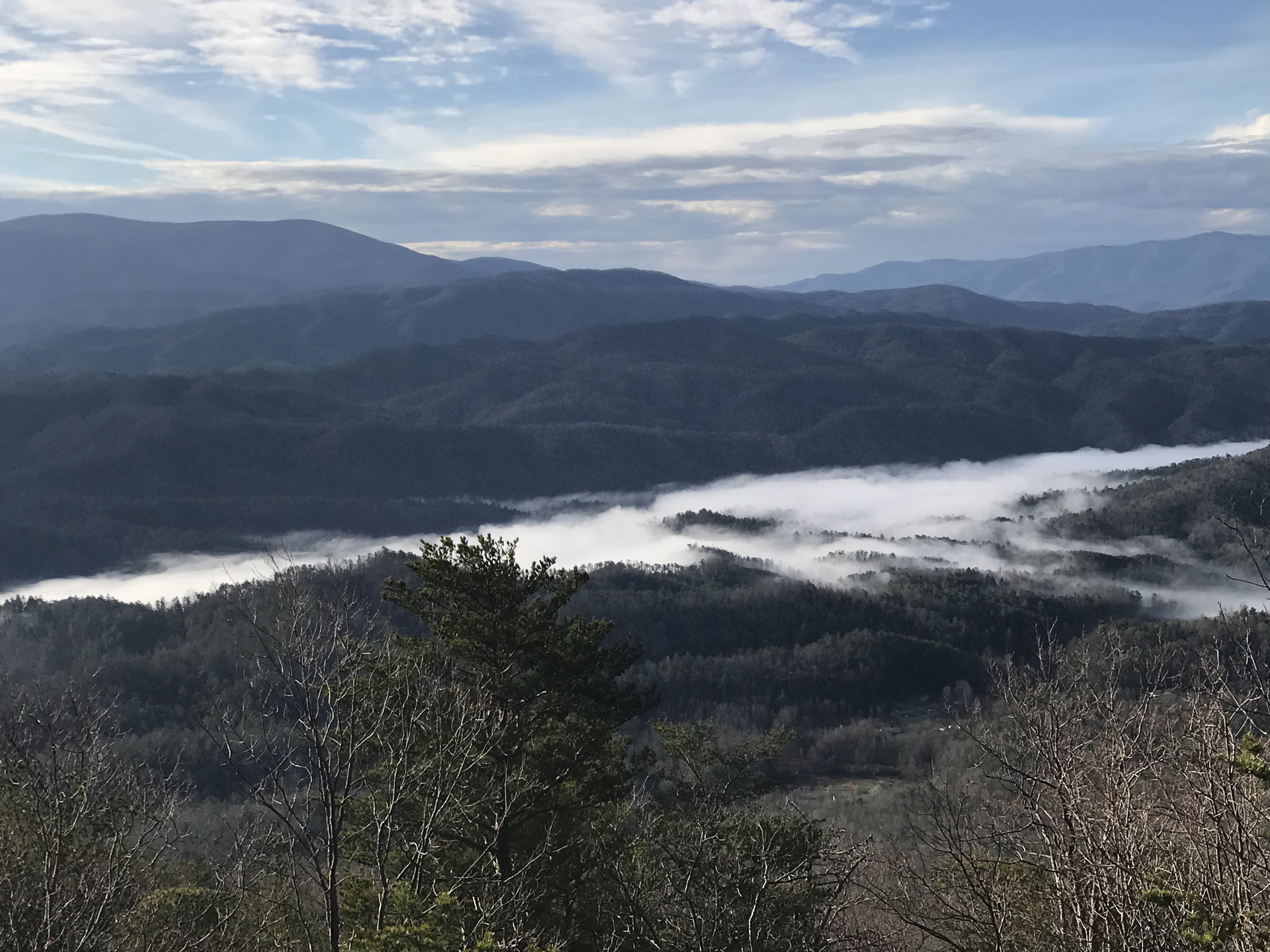
IMG 5448A view of the Smokies from the southern section of Foothills Parkway. Thomas Fraser/Hellbender Press

Hellbender told ya so: Big money in hand for southern Foothills Parkway rehab

Hellbender Press reported some particulars months ago, but the National Park Service today announced the official receipt of $30 million dollars for rehabilitation of the southern section of Foothills Parkway between Calderwood and Walland.

It’s been a busy news week out of Great Smoky Mountains National Park, especially related to the Foothills Parkway: Earlier this week the park service announced the latest phase of comment on plans to establish a series of mountain bike trails in Wears Cove at the terminus of that parkway section. Hellbender covered that, too.

Maybe too much Smokies, if that’s a thing, but we felt obligated to report via a park press release the final dispersal of funds for the planned improvements we reported on months ago. Significant traffic closures will likely begin this spring.

As for the money allocated for the Blount County portion of Foothills Parkway, from Look Rock south to U.S. 129 and Calderwood Lake, here’s some of what Hellbender Press originally reported:

The National Park Service will repave and improve the entire southern stretch of Foothills Parkway and design a replacement of the outdated maintenance facilities at Sugarlands thanks to funding from the Great American Outdoors Act.

Both projects will cost a combined $40 million and be paid for via a foundation established as part of the overall legislation passed by Congress in 2020. 

The Department of the Interior will spend a total of $1.6 billion from the Legacy Restoration Fund this year alone as part of a long-range goal to improve infrastructure and catch up on maintenance needs in national parks and other federally managed lands, according to a release. National public lands across the country, including Great Smoky Mountains National Park, have long faced maintenance deficits totaling billions of dollars. 

The Foothills Parkway and Sugarlands work is one of 165 deferred maintenance projects that will be funded this year. Infrastructure improvements are also planned for sections of the Blue Ridge Parkway and Shenandoah National Park.

The $33.6 million in planned improvements to the parkway between Walland and Tallassee (from mile marker 55 to 72) will include enhanced safety features and milling and replacement of the pavement.

Per the National Park Service in a Feb. 10 release:

Great Smoky Mountains National Park is using $31 million in funding from the Great American Outdoor Act (GAOA) to repave the Foothills Parkway West, from Chilhowee Lake to Walland. The 17-mile roadway provides recreational experiences for more than 700,000 visitors annually. The rehabilitation project will include a series of full-lane closures starting on March 14.   

“We are pleased to have this opportunity to make these much-needed repairs,” said Acting Superintendent Alan Sumeriski. “With increasing visitation and the completion of the adjacent section of the Foothills Parkway, this area is experiencing more use and more wear and tear. These funds will enable us to make critical improvements to keep the road safely open for access to one of the most scenic driving experiences in the Smokies.”    

GAOA funding supports a focused effort to address the most critical maintenance needs in the Smokies and other national parks across the country. This project will reduce more than $25 million in deferred maintenance associated with the Parkway, support 400 jobs, and contribute $85.5 million to the nation’s economy.

The Federal Highway Administration awarded the construction contract to a local, small business that will manage the project. Work will include repaving the roadway, restoring guardrails, repairing bridges and drainage, and replacing asphalt walkways with ADA compliant concrete sidewalks. The scenic Foothills Parkway West provides access to 16 overlooks, including the popular Look Rock Observation Tower, the recently reopened Look Rock Picnic Area, and the soon-to-be-reopened Look Rock Campground.  

To safely and efficiently accomplish the repaving work, the project will include two phases of full closure periods. From March 14 through May 21, the roadway will be fully closed from the Look Rock Observation Tower parking area west to the Highway 129 intersection near Chilhowee Lake. From June 1 through August 31, the roadway will be fully closed from the Look Rock Observation Tower parking area east to the Highway 321 intersection near Walland, TN. During these periods, the roadway sections are fully closed to all pedestrians, cyclists, and motorists. The remaining construction work will be conducted with single-lane closures from August 31, 2022, through May 5, 2023. Motorists should expect delays during this time period.   

For more information about alternative scenic roads to explore during the construction period, please visit the park’s website at www.nps.gov/grsm/planyourvisit/autotouring.htm.   

GAOA’s National Parks and Public Lands Legacy Restoration Fund, supported by revenue from energy development, provides up to $1.9 billion per year for five years to make significant enhancements in national parks and other public lands to ensure their preservation and provide opportunities for recreation, education, and enjoyment for current and future visitors. GAOA, the recently passed Bipartisan Infrastructure Law and other construction funding sources are part of a concerted effort to address the extensive maintenance backlog in national parks. 

Rate this item
(2 votes)
Published in News

Related items

  • National Park Service pedals toward construction of mountain-bike trails and concessions in Wears Cove
    in News

    Foothills parkwayNational Park Service via WBIR

    Feds and boosters have considered trail network since completion of the “Missing Link”

    WEARS VALLEY The National Park Service moved this week into the latest public-input phase regarding proposed construction of a Smokies-area mountain-biking destination on federal land near the current terminus of a recently completed section of Foothills Parkway that runs from Walland to Wears Valley.

    The plan calls for miles of single-track mountain bike trails of varying skill levels and vendors catering to bicyclists. Park service documents indicate a rest station with picnic facilities, bathrooms and bicycle rental and repair facilities sited in Wears Cove southeast of the parkway terminus at Wears Cove. The parcel is already part of a federal easement for another extension of the parkway that would connect with the Gatlinburg Spur. 

    “The Wears Valley portion of the Foothills Parkway could provide visitors new opportunities to experience the Park through mountain biking because it is within the Park’s general development zone and transportation management zone and is not managed as wilderness,” according to park service documents.

  • Feds reopen plans for long-delayed 9-mile Foothills Parkway segment from Wears Valley to Gatlinburg near Great Smoky Mountains National Park
    in News

    foothills map

    Plans for new parkway segment were hatched long ago; project would also include improvements to Wears Valley park entrance

    Just a few years after the “Missing Link” of the Foothills Parkway was finally finished following decades-long delays, the National Park Service now has its sights set on constructing a new 10-mile section of parkway on the Tennessee side of Great Smoky Mountains National Park that would extend from Wears Valley to the heavily traveled Gatlinburg Spur.

    The leg of the roadway has long been included in a plan for full completion of the parkway. About 30 miles have been completed from Tallassee, Tennessee to Wears Valley. This section would extend from the current parkway terminus in Wears Valley to the Gatlinburg Spur near Pigeon Forge.

    Park officials said in a press release announcing the opening of the project’s public comment period that the unfinished section is the only stretch of incomplete, congressionally approved roadway in the U.S. 

  • At least $35 million headed to Smokies for southern Foothills Parkway overhauls and maintenance facilities improvements
    in News

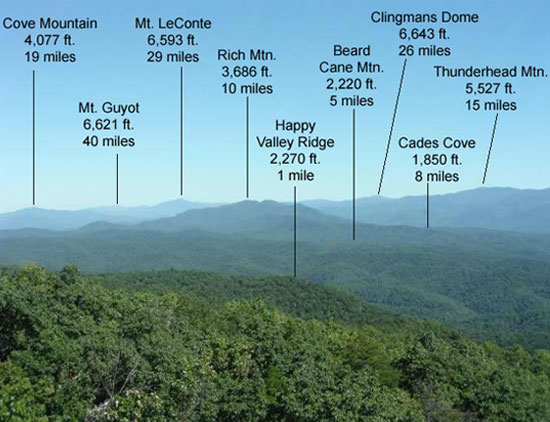
    grsm_terrain_features.jpgThe crest of the Smokies and its peaks are shown from Look Rock on the Foothills Parkway.  National Park Service

    Southern stretch of Foothills Parkway to get $33 million overhaul

    The National Park Service will repave and improve the entire southern stretch of Foothills Parkway and design a replacement of the outdated maintenance facilities at Sugarlands thanks to funding from the Great American Outdoors Act.

    Both projects will cost a combined $40 million and be paid for via a foundation established as part of the overall legislation passed by Congress in 2020. 

    The Department of the Interior will spend a total of $1.6 billion from the Legacy Restoration Fund this year alone as part of a long-range goal to improve infrastructure and catch up on maintenance needs in national parks and other federally managed lands, according to a release. National public lands across the country, including Great Smoky Mountains National Park, have long faced maintenance deficits totaling billions of dollars. 

    The Foothills Parkway and Sugarlands work is one of 165 deferred maintenance projects that will be funded this year. Infrastructure improvements are also planned for sections of the Blue Ridge Parkway and Shenandoah National Park.

    The $33.6 million in planned improvements to the parkway between Walland and Tallassee (from mile marker 55 to 72) will include enhanced safety features and milling and replacement of the pavement.

    “The road rehabilitation will include pullouts and parking areas, replacing steel backed timber guardrail, and repair, reconstruction and repointing of stone masonry bridge parapet walls and the walls along Look Rock Overlook,” according to interior department documents.

    “Other work will include removing and resetting stone curb, replacing/repairing of the drainage structures, stabilizing roadside ditches, overlaying or reconstructing paved waterways, stabilizing and reseeding the shoulder, installing pavement markings, replacing regulatory and NPS signs, and constructing ramps with curb cuts to provide access to interpretive panels and to meet federal accessibility guidelines.”

    “The work proposed in this project would reduce the hazards and improve safety for park visitors and employees,” according to the data sheet. 

    The Legacy Restoration Fund will also cover the $3.5 million cost of a design/build plan to improve and update the expansive and deteriorating maintenance yard at Sugarlands.

    “The buildings, driveways, and parking areas associated with the maintenance yard have not been renovated or rehabilitated in decades,” according to a data sheet.

    “There are safety hazards, inadequate space or capacity for park maintenance and operations personnel, and facilities that are entirely insufficient for essential park operations and maintenance. The condition of many buildings is so poor that replacement and disposal is likely the only practical option. This project will complete predesign project programming and budgeting and develop a Design Build RFP for the rehabilitation or replacement of facilities and associated utilities, parking, and grounds.” 

    Great Smoky Mountains National Park officials did not immediately respond to an email requesting additional information on possible future projects and to what extent national infrastructure plans proposed by the Biden administration might benefit the park, which is the most-visited in the nation.

    Here’s a link to the full Department of the Interior National Parks and Public Land Legacy Restoration Fund Fund release. Here are the Foothills Parkway and Sugarlands maintenance yard project data sheets.

  • The days the Earth stood still (Part 1): Covid cleared the air in the lonely Smokies
    in Air
    OLYMPUS DIGITAL CAMERAGreat Smoky Mountains National Park Air Resource Specialist is seen at the Look Rock air quality research station.   Courtesy National Park Service

    The lack of regional and local vehicle traffic during the pandemic greatly reduced measurable pollution in Great Smoky Mountains National Park.

    This is your Hellbender weekend read, and the first in an occasional Hellbender Press series about the effects of the Covid-19 pandemic on the natural world

    Great Smoky Mountains National Park shut down for six weeks in 2020 during the Covid-19 pandemic. Recorded emissions reductions during that period in part illustrate the role motor vehicles play in the park's vexing air-quality issues. The full cascade of effects from the pollution reductions are still being studied.

    Hellbender Press interviewed park air quality specialist Jim Renfro about the marked reduction of carbon dioxide and other pollutants documented during the park closure during the pandemic, and the special scientific opportunities it presents.  He responded to the following questions via email.

    Hellbender Press: You cited “several hundred tons" in pollutant reductions during an interview with WBIR of Knoxville (in 2020). What types of air pollutants does this figure include?