
Displaying items by tag: beef impact on environment
Organized crime put a hit on global forests – along with beef, soy, palm oil and timber interests
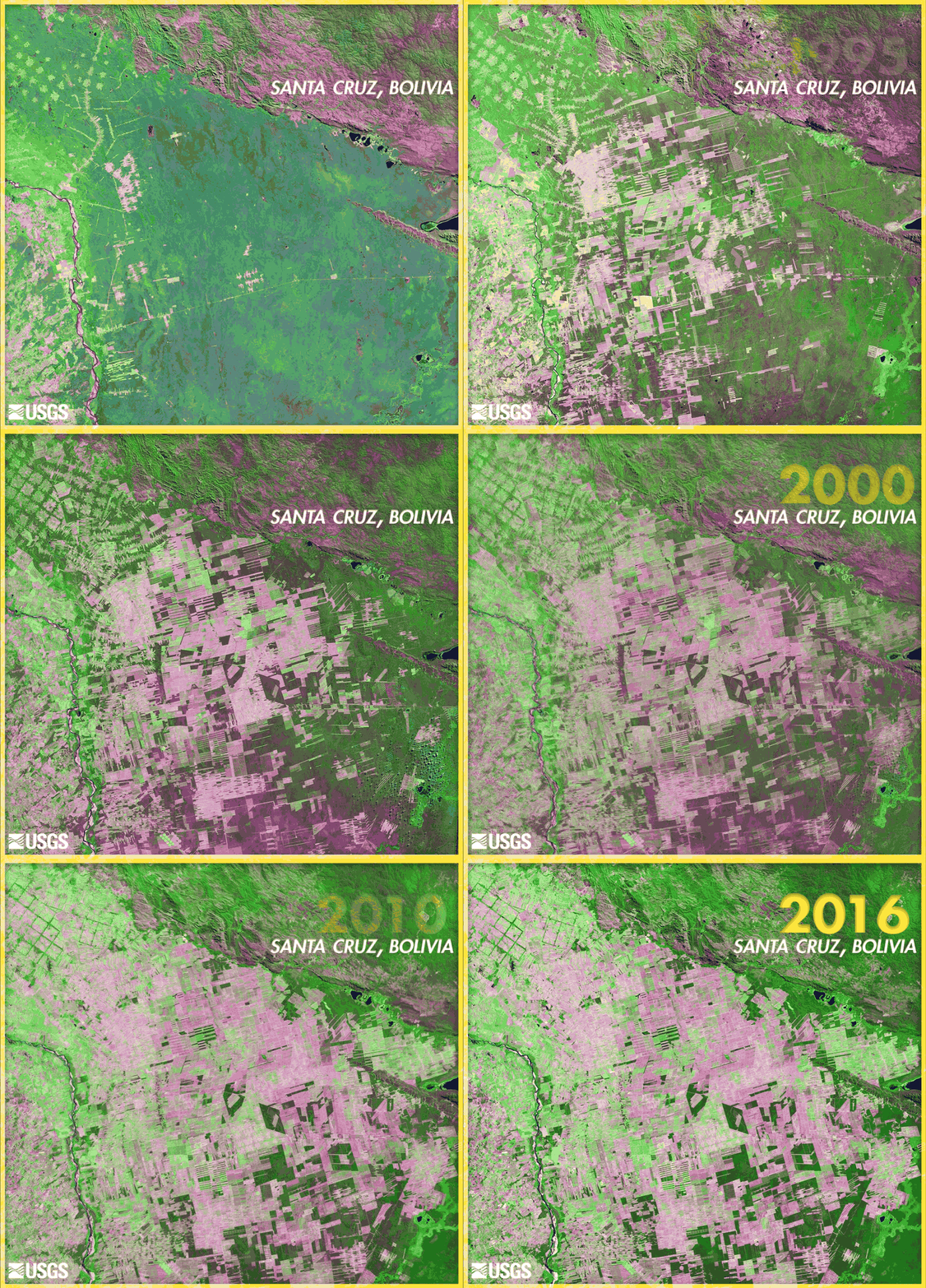
We are cutting through forests we need more than ever
This article was originally published in The Conversation. Jennifer Devine is an associate professor of Geography and Environmental Studies at Texas State University.
Every year the world loses an estimated 25 million acres (10 million hectares) of forest, an area larger than the state of Indiana.
Nearly all of it is in the tropics.
Tropical forests store enormous quantities of carbon and are home to at least two-thirds of the world’s living species, so deforestation has disastrous consequences for climate change and conservation. Trees absorb carbon dioxide as they grow, slowing its buildup in the atmosphere – but when they are burned or logged, they release their stored carbon, fueling further warming. Tropical forest loss generates nearly 50% more greenhouse gases than does the global transportation sector.
At the 2021 U.N. conference on climate change in Glasgow, more than 100 world leaders pledged on Nov. 1 to halt deforestation by 2030.
In the Declaration on Forests and Land Use, countries outlined their strategy, which focuses on supporting trade and development policies that promote sustainable production and consumption. Governments and private companies have pledged over $19.2 billion to support these efforts.
From my research on social and environmental issues in Latin America, I know that four consumer goods are responsible for the majority of global deforestation: beef, soy, palm oil, and wood pulp and paper products. Together these commodities are responsible for the loss of nearly 12 million acres (5 million hectares) annually. There’s also a fifth, less publicized key driver: organized crime, including illegal drug trafficking.