
Displaying items by tag: environmental protection agency
U.S. Supreme Court’s recent clean-air ruling renews spotlight on fossil-energy producers like TVA

Supreme Court air-pollution ruling calls into stark context all that must be done
This story was originally published by Tennessee Lookout.
KNOXVILLE — The U.S. Supreme Court’s ruling limiting the power of the Environmental Protection Agency to regulate carbon emissions that cause climate change has renewed the spotlight on the Tennessee Valley Authority, the nation’s largest public utility and Tennessee’s primary source of electricity.
The case involved EPA efforts to implement a key provision of the Clean Air Act in a challenge brought by 15 Republican-led states. That provision, which never went into effect, would have required existing power plants to shift from dirty sources of energy — such as coal — to cleaner sources, including solar and wind, as part of an urgent effort to reduce global warming.
Infrastructure funding to cover South Knoxville Superfund site cleanup
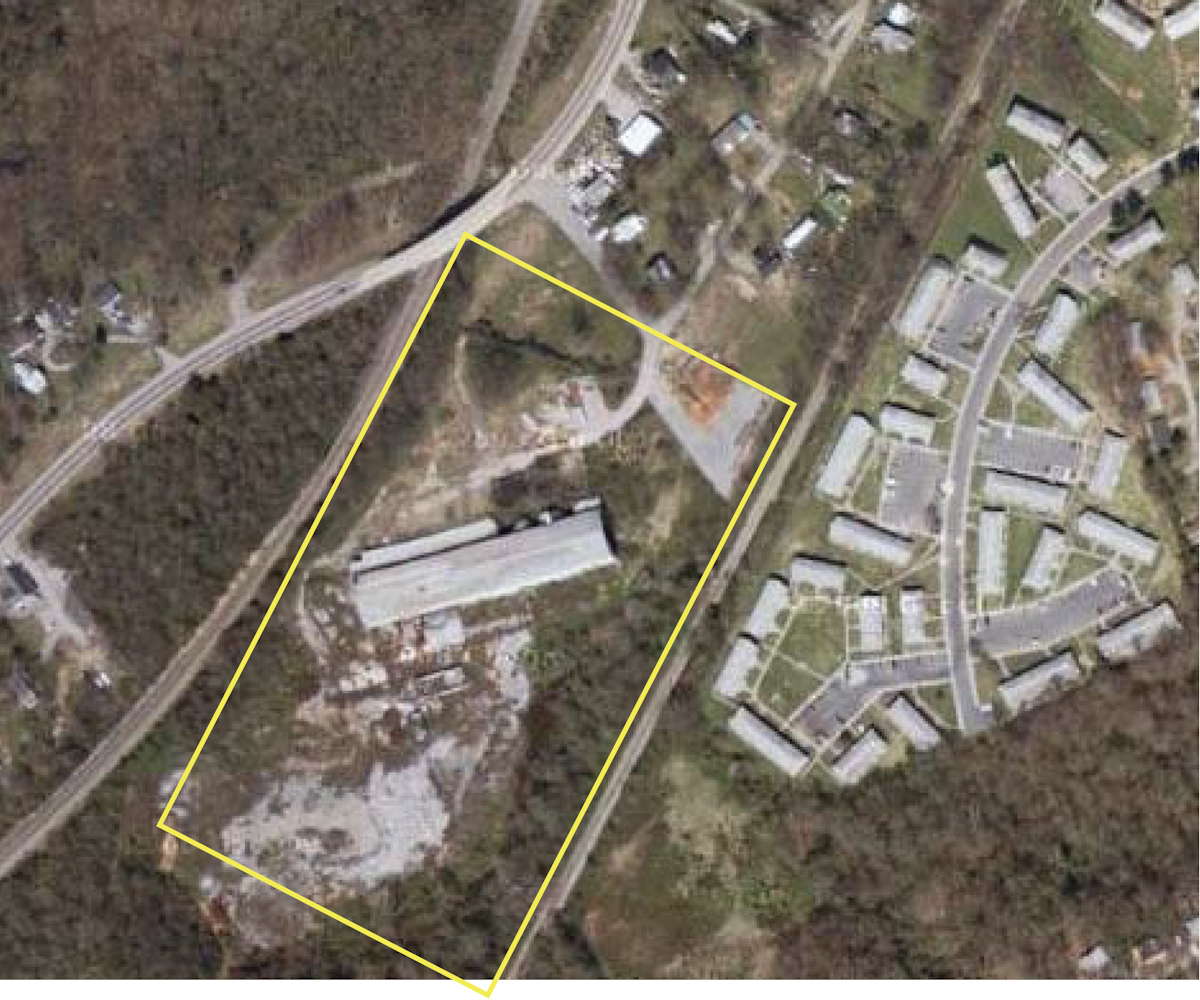 Aerial view (ca. 2002) of Smokey Mountain Smelters Superfund site, located between two rail lines. At left is the overpass of Maryville Pike, at right a section of Knox County Development Corporation’s Montgomery Village Apartments. The large smelter hall and a few of the apartment buildings have since been removed. Image from TN Dept. of Health
Knoxville’s most polluted former industrial site is slated for a massive cleanup soon thanks to funding from the bipartisan infrastructure bill Congress recently passed. The Smokey Mountain Smelters site in Vestal has spent more than a decade on the National Priorities List, commonly called the “Superfund” list, of the most contaminated properties in the U.S.
The work could start within just a few months, said Rusty Kestle, Environmental Protection Agency project manager for the site. He said it’s the top priority in the Southeast for the infrastructure funding because it’s among the most affordable and ready for action.
The days the Earth stood still (Part 1): Covid cleared the air in the lonely Smokies
 Great Smoky Mountains National Park Air Resource Specialist is seen at the Look Rock air quality research station. Courtesy National Park Service
The lack of regional and local vehicle traffic during the pandemic greatly reduced measurable pollution in Great Smoky Mountains National Park.
This is your Hellbender weekend read, and the first in an occasional Hellbender Press series about the effects of the Covid-19 pandemic on the natural world
Great Smoky Mountains National Park shut down for six weeks in 2020 during the Covid-19 pandemic. Recorded emissions reductions during that period in part illustrate the role motor vehicles play in the park's vexing air-quality issues. The full cascade of effects from the pollution reductions are still being studied.
Hellbender Press interviewed park air quality specialist Jim Renfro about the marked reduction of carbon dioxide and other pollutants documented during the park closure during the pandemic, and the special scientific opportunities it presents. He responded to the following questions via email.
Hellbender Press: You cited “several hundred tons" in pollutant reductions during an interview with WBIR of Knoxville (in 2020). What types of air pollutants does this figure include?
- great smoky mountains national park
- coronavirus
- smokies
- pandemic
- air pollution
- covid19
- air quality
- shutdown
- pollutant reduction
- carbon dioxide
- co2
- motor vehicle
- jim renfro
- nox
- voc
- improvement
- haze
- ozone
- look rock
- emission
- greenhouse gas
- visitation
- visitor
- traffic volume
- analysis
- monitoring station
- particulate matter
- mercury
- acid deposition
- quality control
- quality assurance
- so2 regional haze rule
- national park service
- nps
- air resource specialist
- ecosystem
- bioaccumulation
- so2
- road closure
- power plant
- epa
- environmental protection agency