The Environmental Journal of Southern Appalachia

Pellissippi Parkway punches: Vocal opposition slams highway extension plans at public meeting

Written by

1624321366689

UPDATED: Opponents of Pellissippi Parkway Extension hammer bureaucrats, unelected economic development officials at public meeting

(This story has been updated with this link to the Tennessee Department of Transportation recording of the Sept. 21 public hearing on the proposed Pellissippi Parkway Extension project).

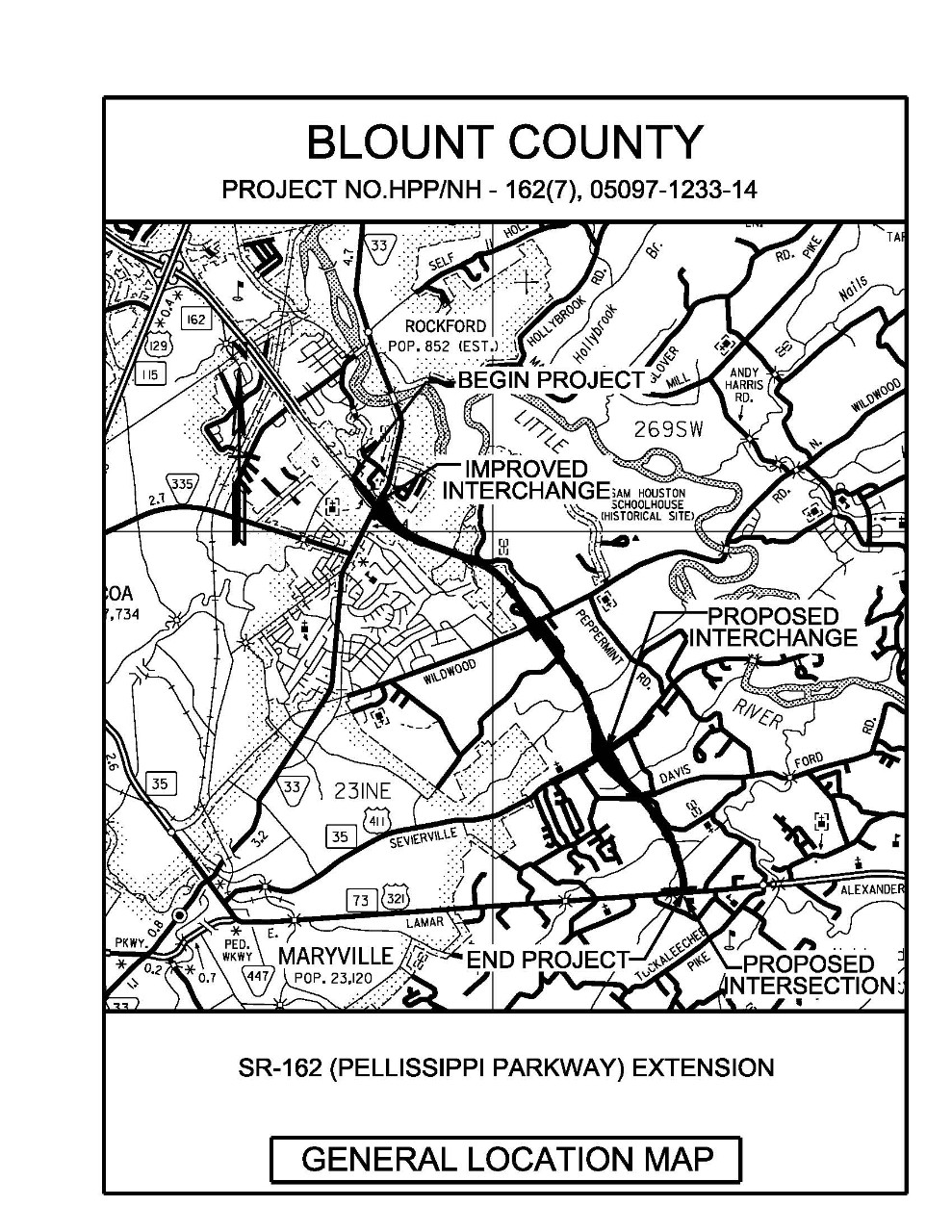
Raw emotions spilled over at a Tennessee Department of Transportation public meeting to collect citizen input on a nearly 5-mile, four-lane highway that would carve through creeks, forests, farms and homes in rural Blount County in the foothills of the Great Smoky Mountains.

The meeting was held Tuesday evening at Heritage High School, not far from where the proposed Pellissippi Parkway Extension (which would originate at the terminus of the current parkway near Rockford) would abruptly bisect East Lamar Alexander Parkway, just to the west of Walland Gap and the Little River Gorge.

As Hellbender Press has reported on the Pellissippi extension, many people aren’t happy with the proposition of spending at least $100 million on a 4.5-mile stretch of highway, and people are uncomfortable with both the use of eminent domain to force them from their homes or seize portions of their property and the unavoidable and long-lasting environmental and cultural impact such a project would have on the rural areas of Blount County. The projected cost of the project has vacillated by millions of dollars.

East Lamar Alexander Parkway (U.S. 321) terminates in Townsend; along the way are turnoffs to many valuable pieces of real estate and immensely successful high-end hospitality venues, such as Blackberry Farm. Hellbender Press reached out to Blackberry Farm through its Nashville-based public relations team about the nearby highway project and was simply told “we have no comment.”

People who did not attend last night’s meeting have the opportunity to voice their opinion on the TDOT website.
 
The comment period is open through Oct. 12.
 
 
During Tuesday’s meeting, local bureaucrats and business interests indicated their support for the roadway, which biologists have warned could have adverse effects on the biologically diverse Little River . In addition to hosting a host of diverse aquatic animals , the river is the main source of raw drinking water for Blount County.

“City leadership supports the Pellissippi Parkway extension and I believe it would be extremely short-sighted not to complete this project that was started many years ago,” said Maryville City Manager Greg McClain. “As city leaders, we have an obligation to plan for future needs while we manage the present constraints. The extension will have a significant impact on reducing traffic congestion now and for decades to come.”

“On three separate occasions over the years, Maryville’s City Council has supported the project by resolution. We are sympathetic to those who believe this not to be a positive move, but with an eye on the future of the community and constraints on current roadways, we believe it is a necessary project,” McClain said.

Most of the affected properties and environmental impacts will occur outside the city limits, of course. Blount County Commission requested the state transportation department hold an actual public meeting on the design phase of the project following a widely criticized virtual public input option offered in April.

And when Tuesday came, and citizens came together, they had a lot to say – and yell.

According to The Daily Times and Hellbender sources, the majority of attendees who spoke were opposed to the parkway extension, but that’s only a sampling of those in attendance.

Of the estimated 250 people in the auditorium, 31 asked questions or spoke during the public meeting. Only one speaker supported the project.

The transportation department’s Region 1 Director Steve Borden told the crowd, however, “There’s an equal number of people that are passionate about this project.” The audience responded with jeers, asking “who?,” and suggesting the Blount Partnership, basically the chamber of commerce of Blount County, was the real driving force behind the parkway extension push.

“Blaming us for a roadway — not sure I understand that,” Blount Partnership President and CEO Bryan Daniels, told Daily Times reporter Adam Crawford after the meeting. He added, however, that the Blount Partnership was on record supporting the parkway extension.

But speaking to McClain’s point that the project has been decades in the making, Nina Gregg, a board member of Citizens Against Pellissippi Parkway Extension, asked: "How can you help us imagine or prepare for a sustainable way of life for future generations instead of persisting with this outdated and short-sighted 20th century idea?," according to reporting from Crawford. Original plans for the project were developed in the car-happy suburban push of the 1970s.’

CAPPE has persistently argued that the project’s foundation of traffic metrics was outdated, and essentially based on a nearly 50-year-old planning process.

Opponents of the parkway did say Tuesday’s public hearing was much better than the virtual option provided earlier for design-phase comments.

CAPPE president Jay Clark offered this statement following the Sept. 21 meeting:

“This was definitely better than the virtual meeting, and this wouldn’t have happened without the County Commission. The TDOT guy said, ‘your public officials,’ not elected officials.

“The County Commission hasn’t voted up or down on this since 2011, and only two or three commissioners we have now were on the commission then. I think our county commissioners now are really concerned about unsustainable growth and not wanting to have to raise taxes to build new schools. I think our next steps are to encourage everyone to call their county commissioners and say they don’t want this.”

CAPPE offered a follow-up statement Sept. 22, the day after the meeting: 

“At last night’s meeting, the questions from the public and TDOT staff’s boilerplate responses made clear to everyone the familiar conflict between the rigidity of our institutions and the necessity of being able to adapt to real world conditions.

“We hear a lot about ‘nimble’ organizations, when in practice most organizations are inflexible and stuck in procedures from decades ago. 

“To be fair, the issue is more than that they won’t adapt; in many cases they cannot adapt,” according to the statement.

“The establishing statutes, procedures and vested interests won’t allow them to act differently, and conventional training of managers is not to be flexible but rather to control.

“In this instance, the Pellissippi Parkway Extension is a 50-year-old idea aligned with a 20th-century paradigm of community planning based on the assumption that more roads are the solution to congestion and that high-speed roads are necessary for economic growth.  

“Opposition to the PPE is not new, but what is new is the related growing alarm here about how and where development is occurring in our community and reasonable questions about how we will pay for public services and how we will maintain the quality of life that makes Blount County distinctive,” CAPPE said in its statement the day after the meeting, a meeting that left people both frustrated and fired up.

Rate this item
(1 Vote)

Related items

  • Celebrate the wild ties that bind Americans on Public Lands Day 2022 — Saturday, Sept. 24

    fontana

    GATLINBURG — The director of the National Park Service is expected in Great Smoky Mountains National Park on Saturday to celebrate National Public Lands Day.

    Director Chuck Sams plans to make some remarks in appreciation for the volunteers who help backstop national park maintenance costs before citizens fan out for various tasks across the park. Sams is the first Native American to head the park service, and he will be joined by Eastern Band of Cherokee Indians Chief Richard G. Sneed.

  • Parking fees set for Smokies; camping costs will increase
    in News

    IMG 6088You might have to pay to park at some of these trailheads in Great Smoky Mountains National Park starting next year. These old trail badges are displayed in Fontana Village on the south side of the Smokies. Thomas Fraser/Hellbender Press

    Smokies parking fees will generate $7 million in revenue for park infrastructure

    GATLINBURG — Getting outside just got more expensive.

    Great Smoky Mountains National Park officials announced Monday the park would proceed with plans for a $5/per day parking pass required of all cars staying in one spot for more than 15 minutes.

    Weekly passes will be $15, and annual passes will be available for $40, according to a release from the park service. Fees will also increase $3 for backcountry and campground permits, meaning campers and backpackers will have to fork over $8 a night.

  • Falling trees accountable for very few deaths in Smokies, but they do happen

    CITIZEN TIMES: Child killed by falling tree was a very rare twist of horrible fate

    Karen Chavez of the Asheville Citizen Times wrote a great article on tree-related deaths in Great Smoky Mountains National Park and beyond following the death last week of a Georgia child killed by a falling tree as she was occupying a tent in Elkmont Campground.

    She reports the death of the child was only the 11th tree-linked death in the national park’s history.

    The first such death was reported in 1934, when a Civil Conservation Corps worker was killed. Tree-related deaths since are normally associated with roadways and hiking trails.

    “‘Deaths related to falling trees or limbs account for about 2 percent of total recorded deaths in the park. It’s an incredibly rare and tragic occurrence and accounts for the first-ever fatality caused by a tree falling on a tent in park history,’” according to an interview Chavez had with park spokeswoman Dana Soehn.

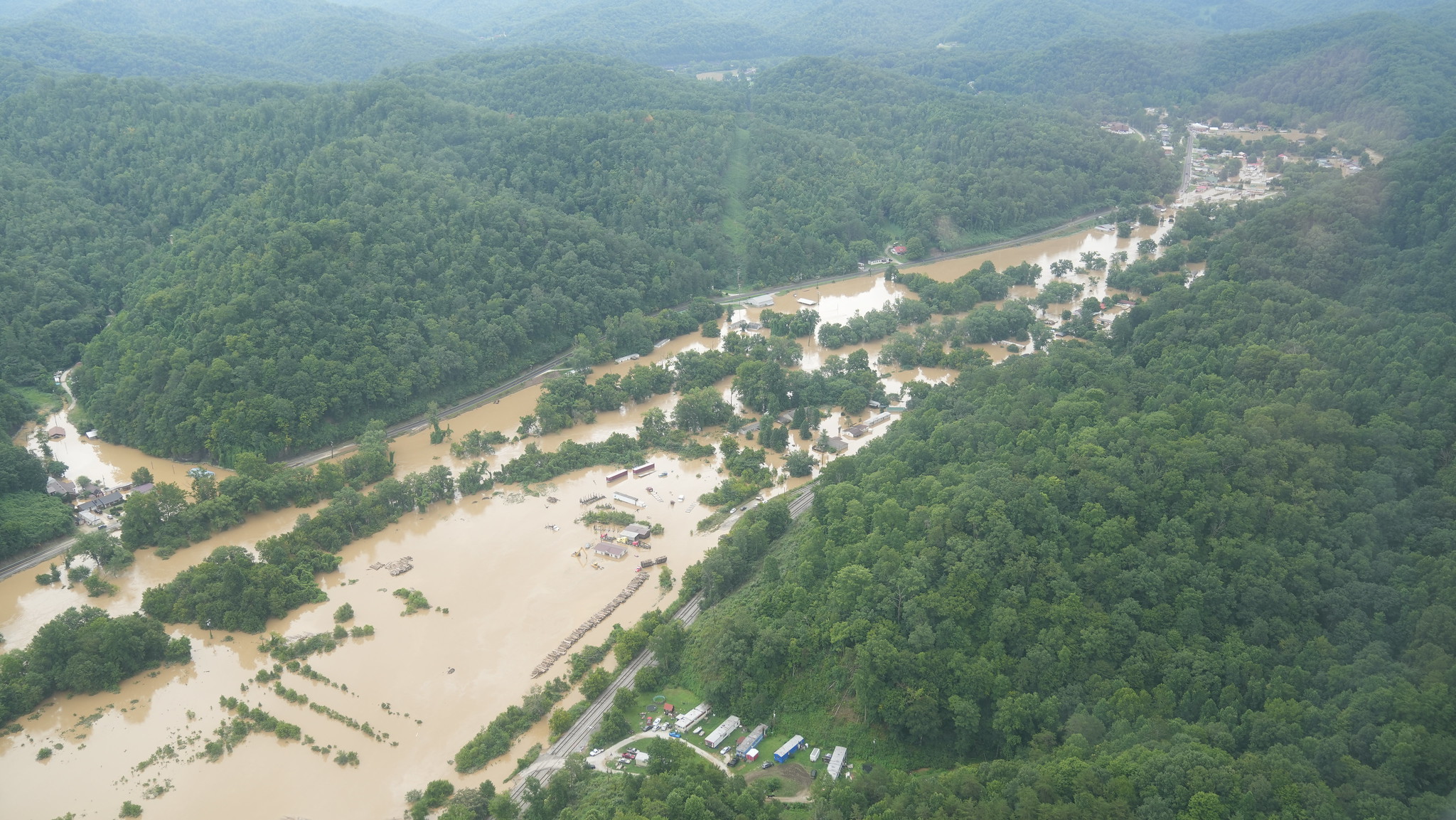
  • Updated: Summer of weather anomalies continues as deadly floods ravage SE Kentucky
    in News

    ky floodsHeavy flooding is seen in eastern Kentucky this weekend. State of Kentucky/Office of Gov. Andy Beshear

    Another round of severe flooding hits the Southern Appalachian region

    UPDATED: The death toll from last week’s unprecedented flooding in Kentucky reached at least 29, as some areas contended with additional flooding over the weekend. Fifteen of those, including four children, died in Knott County, which is about 100 miles north of Kingsport.

    Water service to nearly 67,000 connections has been affected, as well as 17 wastewater-treatment systems in eastern Kentucky, according to Gov. Andy Beshear’s office. 

    “We are currently experiencing one of the worst, most devastating flooding events in Kentucky’s history. The situation is dynamic and ongoing,” Beshear said in a statement.

    “What we are going to see coming out of this is massive property damage and we expect loss of life. Hundreds will lose their homes. And this will be yet another event that will take not months, but years, for our families to rebuild and recover from.”

  • Falling tree kills child in Great Smokies

    ELKMONT — A 9-year-old girl died early Wednesday after a tree fell on a tent she was occupying in Great Smoky Mountains National Park.

    The unidentified child was among a group of people camping in Elkmont Campground when the red maple, 2 feet in diameter, fell shortly after midnight and crushed the girl in her tent, according to the National Park Service.

    The girl and her family had traveled to the national park from Georgia. Her father and two siblings weren’t injured, according to the park service.

    Elkmont Campground remains open, but the family’s campsite and an adjacent campsite were temporarily closed.

  • Has the Eastern Band of Cherokee Indians lost its ‘right way’ at Exit 407?
    in News

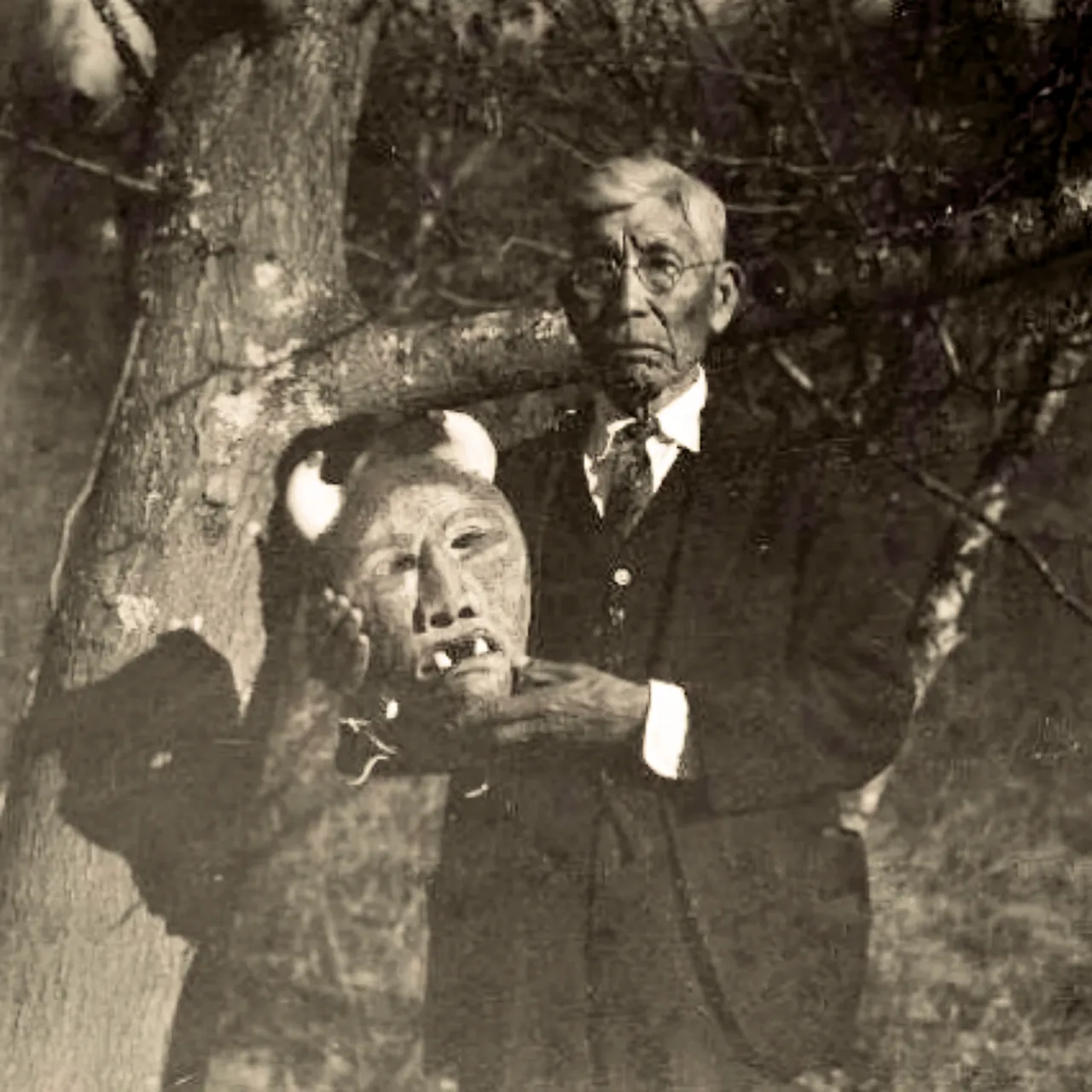
    Will West LongCherokee tribal council member, historian and ethnographer Will West Long holds a traditional Cherokee mask, which he often recreated. He was an active chronicler of Cherokee custom, heritage and tradition and died in 1947 on the Qualla Reservation in Swain County, North Carolina. WikiCommons

    As plans gel for massive new developments, has the Eastern Band lost its ancient way?

    SEVIERVILLE — The Tennessee Department of Transportation is eyeing a second interchange for exit 407 at Highway 66 along Interstate I-40 in Sevier County. 

    Exit 407, already one of the most congested interchanges in Southern Appalachia, accesses the main highway to Great Smoky Mountains National Park, the most visited national park in the nation. The park reported a record 14 million visitors in 2021.

    The exit also serves crowds flocking to Pigeon Forge and Gatlinburg.

    But the new interchange would primarily serve a 200-acre development to be called Exit 407: The Gateway to Adventure.   

    Scheduled to open spring 2023, and fully operational in 2024, it’s expected to attract 6.7 million people annually. The first phase includes a theme park and a 74,000-square-foot convenience store with 120 gas pumps, making it the world’s largest such store.

  • Torrential rains in Smokies destroy trails, roads and other infrastructure
    in News

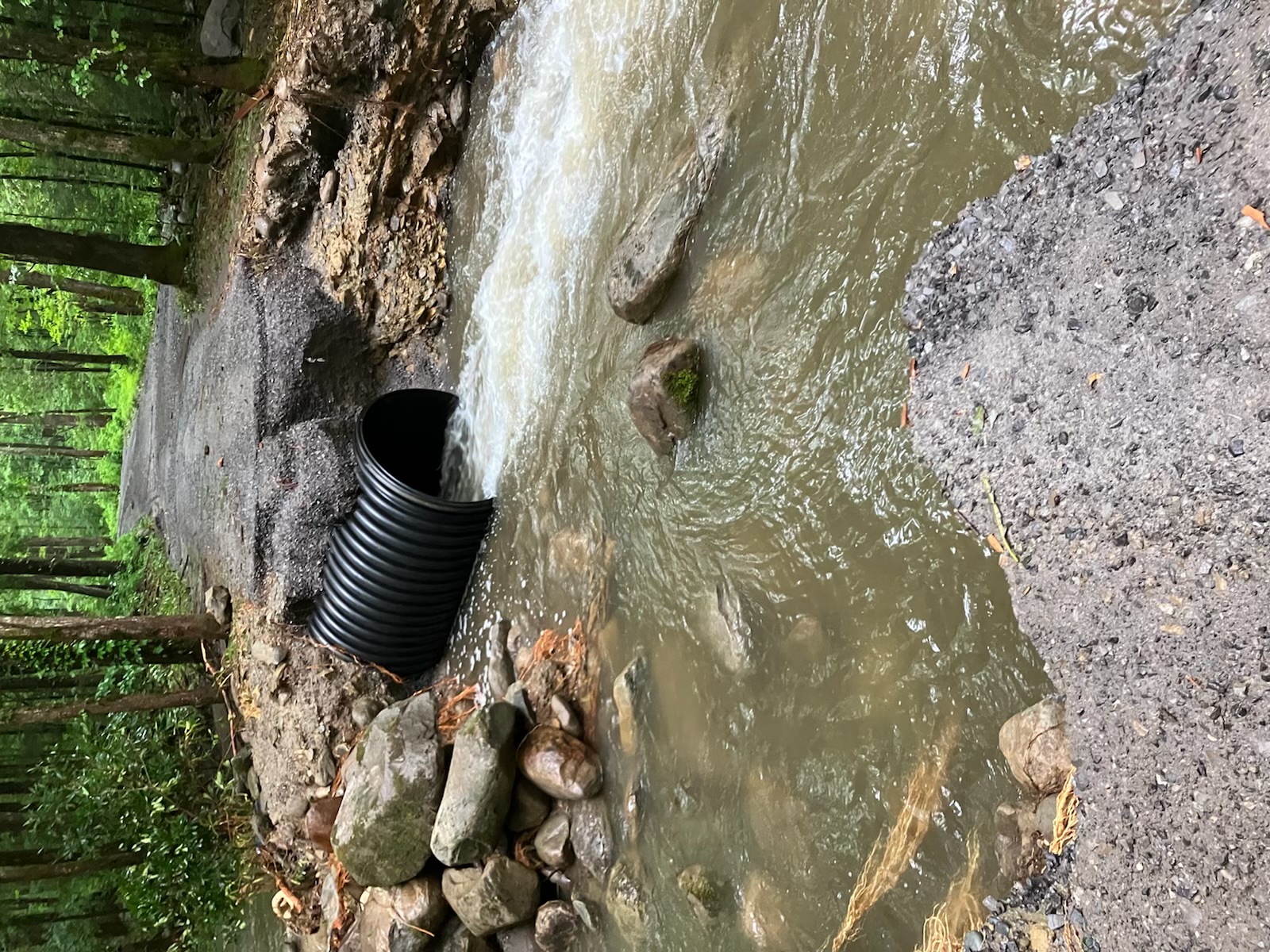
    7.13.22 Porters Creek Road washoutA washout is seen along Porters Creek Road in Great Smoky Mountains National Park following torrential rain on July 12. National Park Service

    Flooding causes Smokies damage, prompts water advisory for Sevierville 

    SEVIERVILLE — Extremely heavy rain on July 12 in the Smoky Mountains caused a cascade of problems now just coming to light.

    Sevierville and Sevier County issued a boil-water advisory early Thursday after debris flushed by Tuesday’s floodwaters clogged the city water utility’s main intake on the French Broad River, leading to pressure decreases that opened up lines to possible outside contamination.

    In Great Smoky Mountains National Park, Greenbrier campground was closed indefinitely after the swollen Middle Prong of the Little Pigeon River wiped out roads, trails and bridges in the area.

  • Smokies rangers, swift-water teams retrieve body from Little River near Metcalf

    TOWNSEND — Great Smoky Mountains National Park rangers responded to a report of a body in Little River about a mile west of Metcalf Bottoms at 1:30 p.m. May 9. Rangers and Gatlinburg EMS/Fire discovered the body of Charles Queen, age 72 of Bybee, Tennessee, partially submerged in the middle of the river.

    A technical swift water rescue team recovered the body, which was released to the Sevier County Medical Examiner’s office. A vehicle registered to Queen was found in a pullout 600 feet upriver along a steep embankment. 

    No witnesses were immediately found; there are no signs of foul play, according to the park service, but officials plan an autopsy.

  • Clean sweep: Volunteers remove tons of trash from Smokies in largest one-day cleanup
    in News

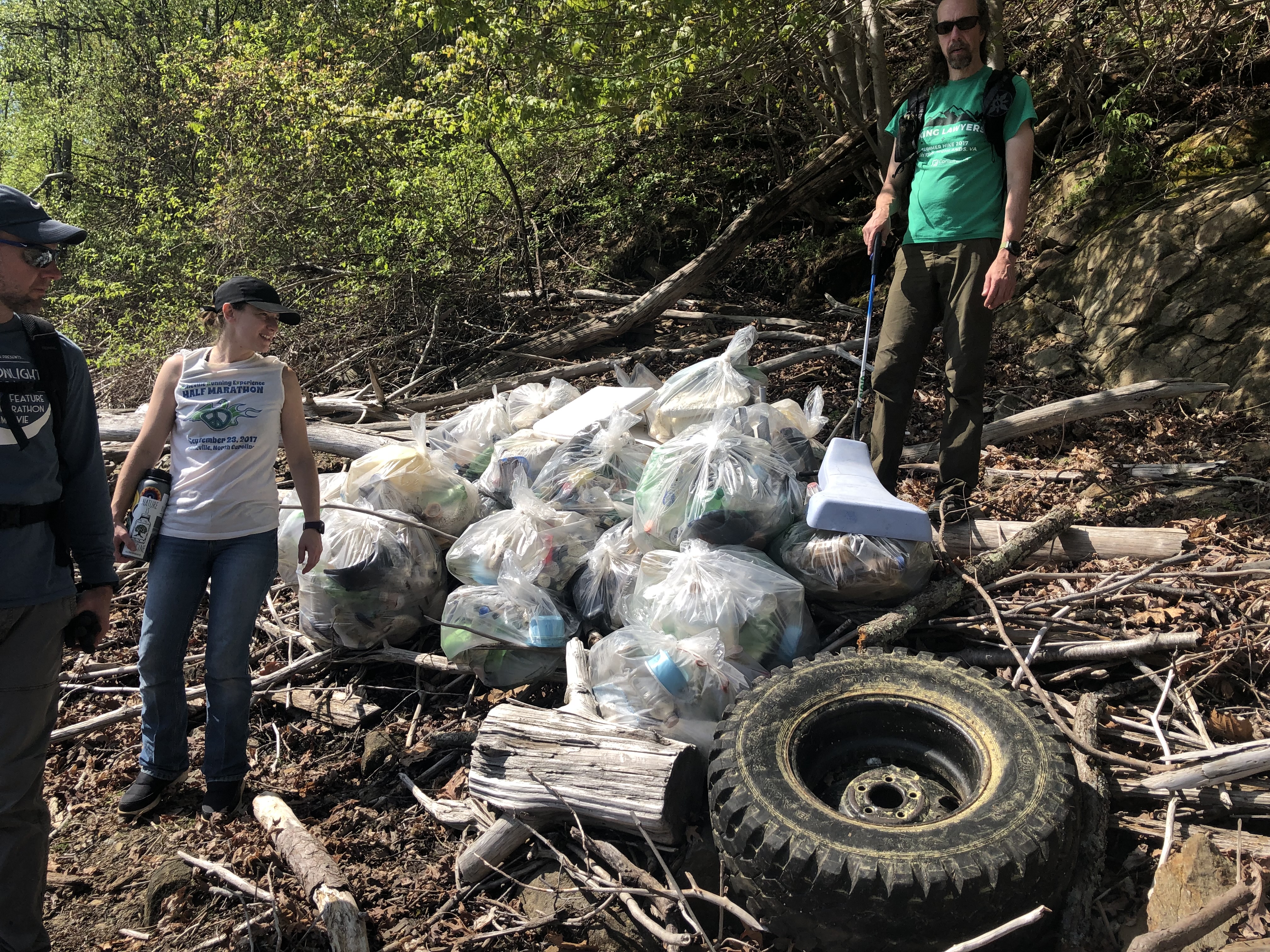
    Clean Up PileVolunteers who helped with the Save our Smokies cleanup on April 23 are shown here among their booty. Anna Lawrence/Hellbender Press

    Amid the booze bottles and toilet paper, it’s ‘incredible what we found here’

    Cleanup crews cleared garbage Earth Day weekend across Great Smoky Mountains National Park from mountain crests to the shores of Fontana Lake.

    Save Our Smokies, which organized the April 23 event, called it the largest single cleanup ever attempted in the park. Volunteers wrangled some 5,000 pounds of garbage.

    Save our Smokies Vice President Benny Braden said the organization removed 10,133 pounds of trash in all of 2021.

    “Litter is a big problem. We can clean up a location and two months later we have to be back there because it’s worse than when we started,” Braden said in an interview Saturday morning at the Tremont section of the national park. “What gives us hope is our volunteers showing up,” he said, citing their tireless dedication.

  • Blount County Commission committee rallies against Smokies parking fees ahead of superintendent Q&A
    in News

    GATLINBURG — Great Smoky Mountains National Park Superintendent Cassius Cash hosted a dgital meeting April 14 urging the implementation of a $5 daily parking fee for Smokies visitors to raise money for park maintenance, law enforcement and visitor services.

    The meeting included an overview presentation introducing the rate changes and a question and answer session.