
Ben Pounds
To save butterflies, plant a billboard on an island for life
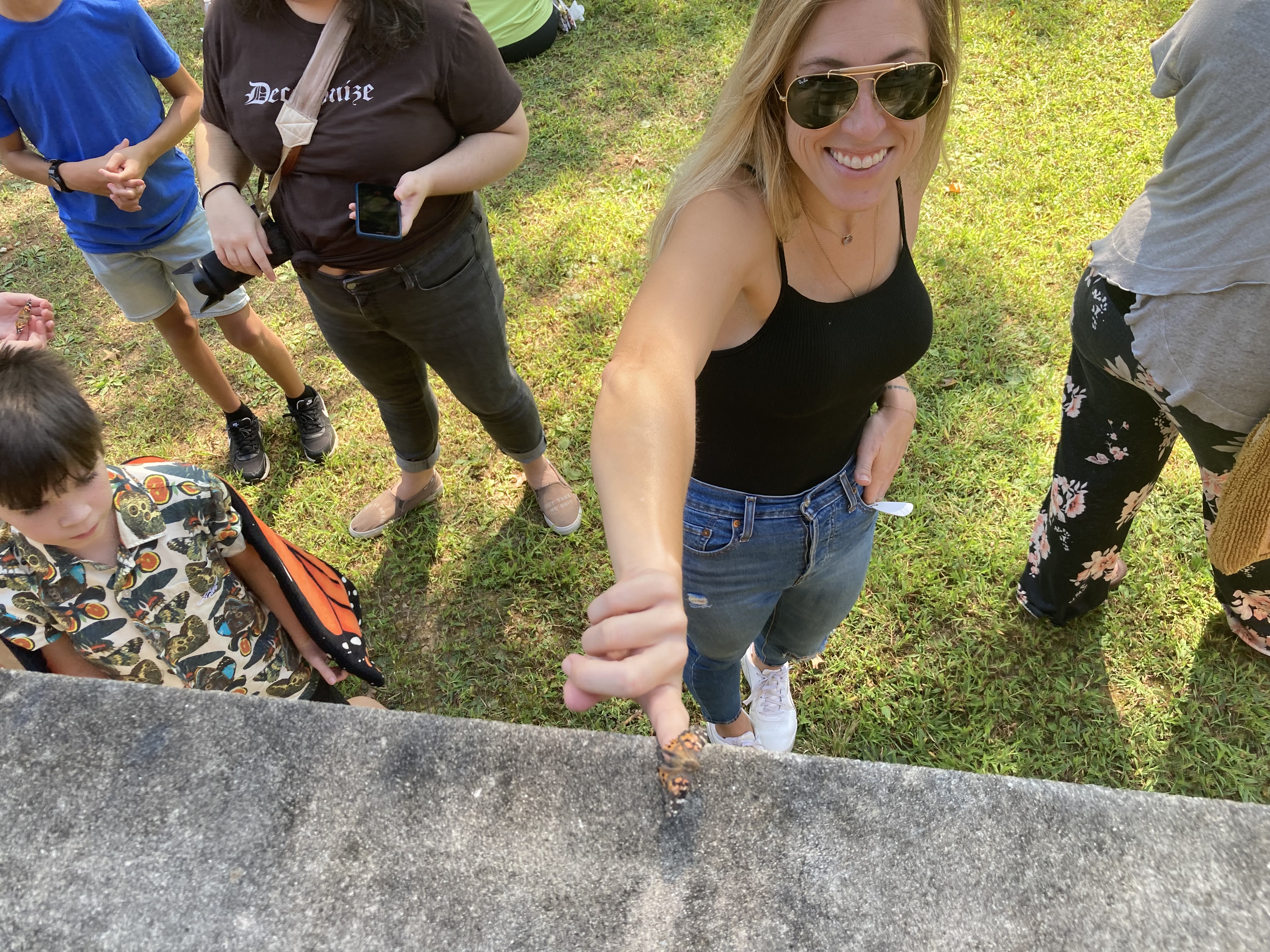 Kat Johnson meets a butterfly during a recent event at the University of Tennessee Arboretum in Oak Ridge. Ben Pounds/Hellbender Press
UT Arboretum event reminds us to love and care for the butterflies among us
OAK RIDGE — With an orange flutter, a cluster of painted lady butterflies took to the sky.
It was a timed release, coming toward the end of the seventh annual University of Tennessee Arboretum’s Butterfly Festival last month.
Earlier, other live painted lady butterflies were available to watch in mesh tents. Visitors got a chance to touch Madagascar hissing cockroaches and look at preserved insect collections with butterflies and other creatures from around the world. Children ran around the event with butterfly face paint, butterfly masks and butterfly wings. But the event was also a chance to buy butterfly-friendly plants and learn about butterflies and their relationships with other species.
- butterfly
- university of tennessee arboretum
- butterfly festival
- pollinator plant
- tennessee naturscapes
- michelle campanis
- stephen lynn bales
- georgeann eubanks
- family garden as butterfly habitat
- jerome grant
- migratory butterfly
- cosmopolitan butterfly
- butterfly garden
- painted lady butterfly
- zebra swallow butterfly
- tennessee state butterfly
- pawpaw
Wither wisteria: ‘People care about our land’
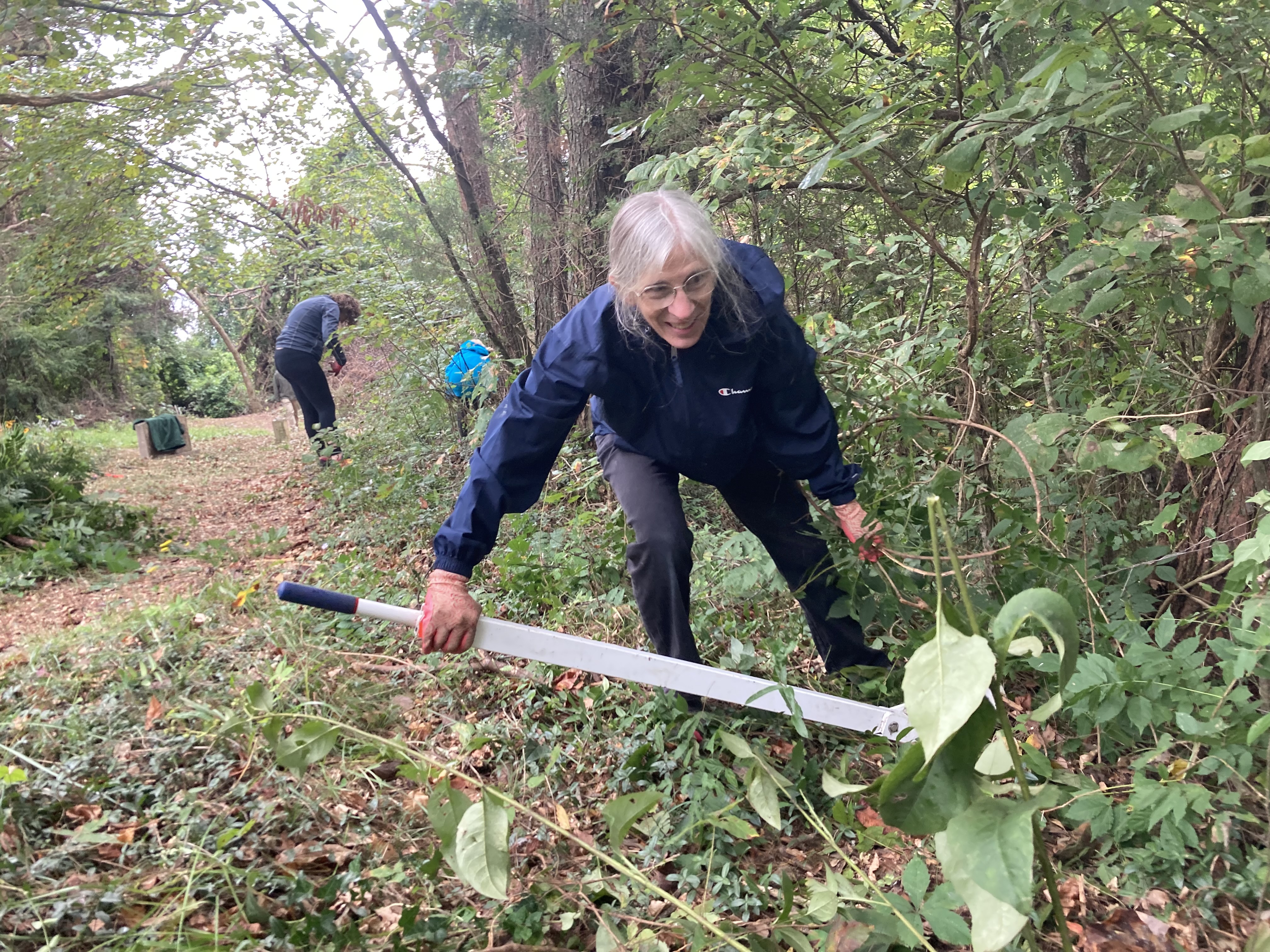 Anne Child removes invasive exotic plants during a recent Tennessee Citizens for Wilderness Planning event to mark National Public Lands Day at TVA’s Worthington Cemetery in Oak Ridge. Ben Pounds/Hellbender Press
Citizens pay it back on Public Lands Day in Oak Ridge, Smokies and beyond
OAK RIDGE — Rain drizzled as volunteers dug and clipped plants in woods around an old cemetery turned science lab.
It was a Public Lands Day event at Tennessee Valley Authority Worthington Cemetery Ecological Study area in Oak Ridge near Melton Hill Lake. Tennessee Citizens for Wilderness Planning, an environmental organization based in Oak Ridge, led the Sept. 24 work party in support of American public lands.
Other events were held throughout the country to mark the date (including Great Smoky Mountains National Park), which has proven itself to be the most productive day of the year for citizen sweat equity in public lands.
Its importance punctuated by the pandemic, Knox Food Policy Council celebrates 40 years
 Knoxville city public information specialist Paige Travis; senior Knoxville-Knox County planner Jessie Hillman; Nourish Knoxville Executive Director Charlotte Tolley; and Food Policy Council advisor Vivian Williams (from left) share a laugh during a celebration of the FPC’s 40th anniversary. Ben Pounds/Hellbender Press
Beardsley Farm and others provided vital food essentials during the pandemic and are better prepared for the future
KNOXVILLE — Disparate groups banded together as one during the COVID-19 pandemic to ensure all Knox County citizens had reliable sources of food in the midst of disaster.
They told their stories at the Knoxville-Knox County Food Policy Council 40th Anniversary Celebration on Sept. 21 at the Community Action Committee (CAC) Beardsley Community Farm.
University of Tennessee students formed the Food Policy Advisory Council in 1982.
The oldest municipal food policy council in the United States
The anniversary program included remarks and proclamations from Knoxville Mayor Indya Kincannon, Knox County Mayor Glenn Jacobs, and state officials. Individual achievements on food-related issues were also honored.
- knox food policy council
- beardsley community farm
- glenn jacobs
- indya kincannon
- feeding the hungry
- feeding refugees in knoxville
- centro hispano
- bridge refugee services
- knoxville community development corporation
- kcdc food
- ut graduate school of planning
- kimberly pettigrew
- adam caraco
- robert l williams
- feeding the hungry in knoxville
Plant native species to help the world just outside your door
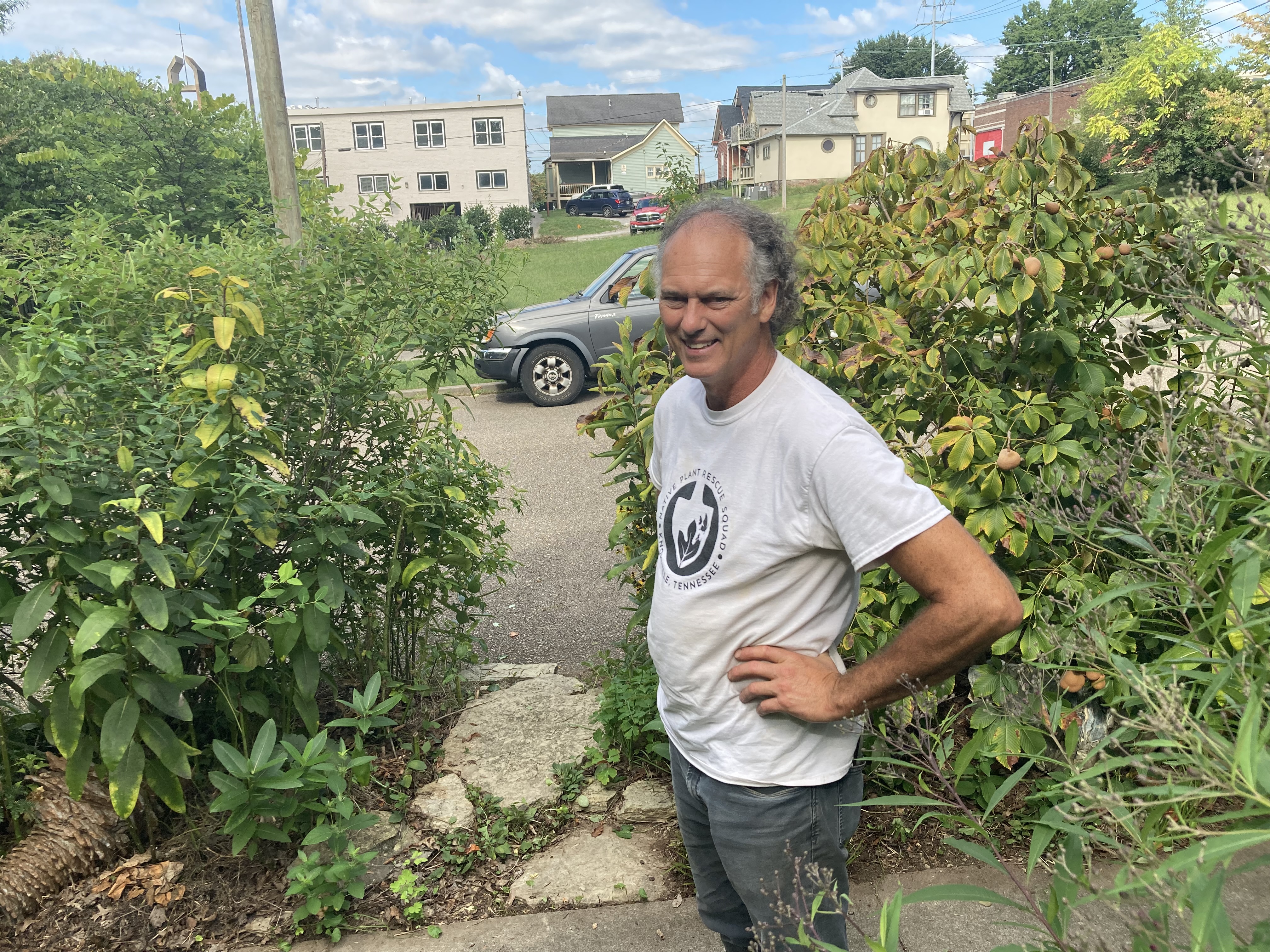 Gerry Moll is seen in the native garden of his home in the 4th and Gill neighborhood of Knoxville. Ben Pounds/Hellbender Press
People are restoring native plants on their properties. You should, too.
‘There are a lot of messes out there and this is something that you can do right at home that has a positive effect.’
KNOXVILLE — If you want to help native wildlife and attract it to your yard, plant some native plants and kick back on your porch and watch them grow. That’s a good place to start.
That’s the message from Native Plant Rescue Squad founders Gerry Moll and Joy Grissom.
People walking by Moll’s garden in the Fourth and Gill neighborhood off Broadway just north of the city center will see tall plants; not hedges or other foreign plants, but various short trees and native flowers. It looks like an explosion of growth on both sides of the sidewalk, but it’s not chaos.
- plant native species
- plant conservation
- plant rescue
- replace your lawn
- native species knoxville
- ben pounds journalist
- native grass
- native plant rescue squad
- gerry moll
- make your yard wild
- attract wildlife to your yard
- joy grissom
- 4th and gill knoxville
- basic habitat needs of wildlife
- garden for wildlife
- national wildlife federation
Knoxville continues to foment a green industrial revolution
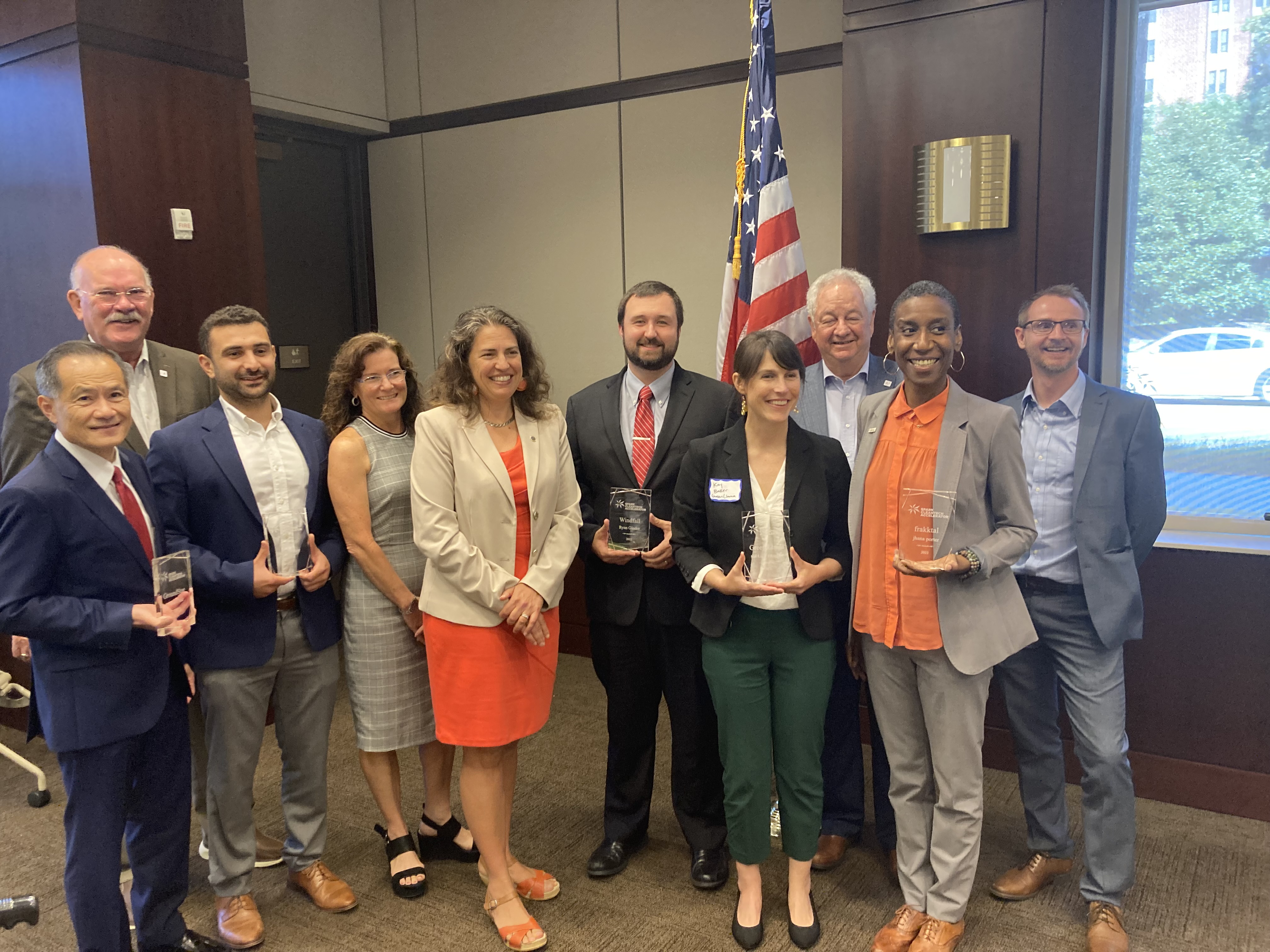 Spark CleanTech Accelerator participants join Knoxville Mayor Indya Kincannon during an Aug. 31 awards ceremony. Ben Pounds/Hellbender Press
Knoxville celebrates sustainable technology startups from across the country
KNOXVILLE — Leaders of start-up green businesses specializing in services and products ranging from carbon reduction to cleaning products and piping wrapped up some warp-speed lessons Aug. 31.
At the conclusion of the three-month Spark CleanTech Accelerator the leaders of environmentally sustainable businesses from across the country took home some awards and got a strategic pep talk from Knoxville Mayor Indya Kincannon.
“I’m very committed to all things green and sustainable,” she said. “Orange and green are complementary colors." She spoke of making Knoxville a “clean tech hub,” not just for Tennessee but internationally. She envisioned “a cleaner Knoxville and a cleaner world.”
- spark clean tech acclerator
- University of Tennessee
- university of tennessee research park
- knoxville sustainability
- knoxville mayor sustainability
- indya kincannon
- ut research foundation
- frakktal
- groundstar
- tom rogers ut
- launch tennessee
- ben pounds journalist
- windfall
- 3d printing knoxville
- green llama
- raev
In throwback to early naturalist techniques, Big Camera! helps us picture plants under the sun
![big camera]() Donna Moore and Anna Lawrence are pictured at a Big Camera! event in May at Ijams Nature Center in South Knoxville. Ben Pounds/Hellbender PressLessons in early and enduring photo techniques are an organic way to spread the arts and cultivate love of nature
Donna Moore and Anna Lawrence are pictured at a Big Camera! event in May at Ijams Nature Center in South Knoxville. Ben Pounds/Hellbender PressLessons in early and enduring photo techniques are an organic way to spread the arts and cultivate love of nature
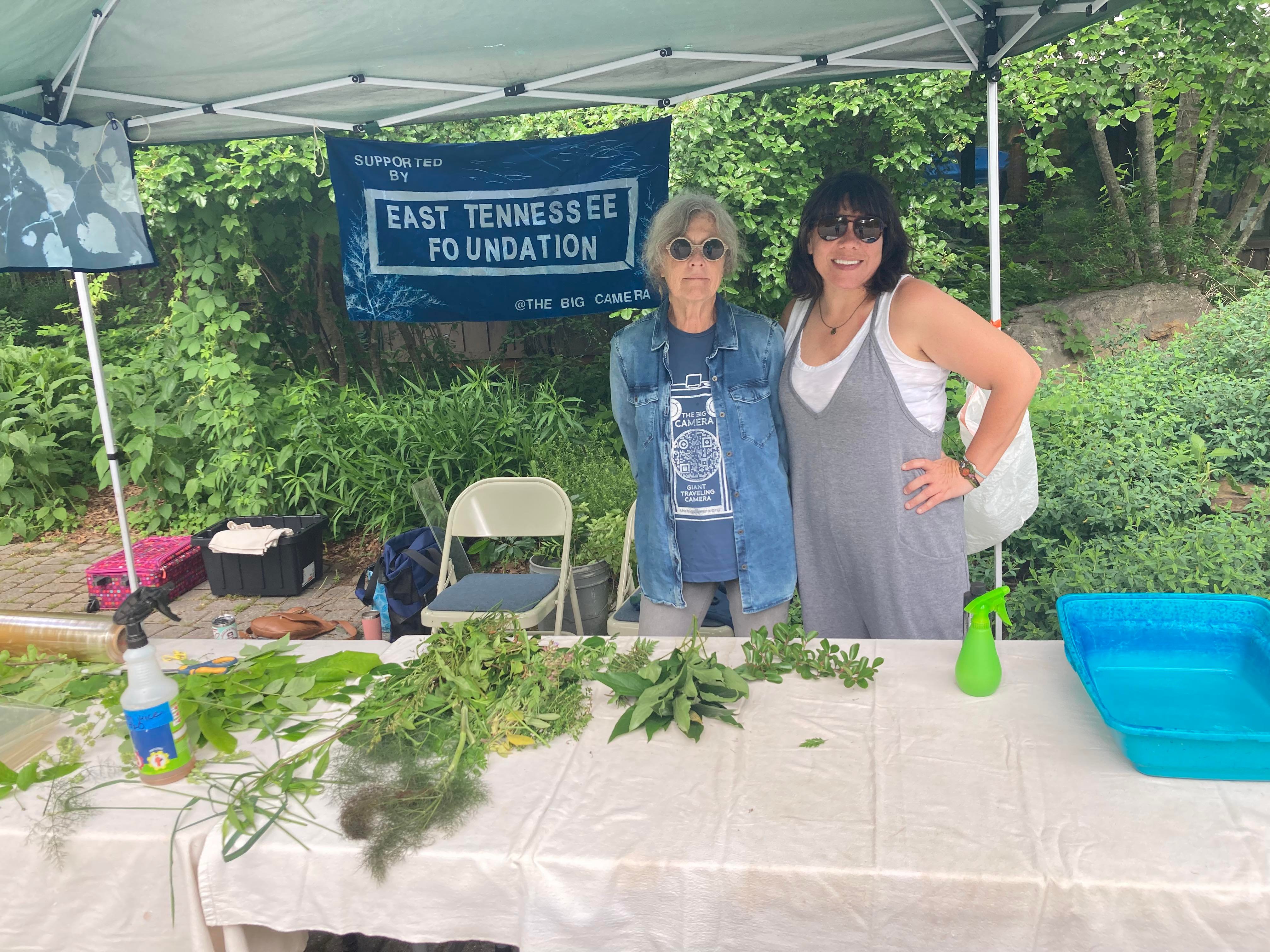
KNOXVILLE — Donna Moore and Anna Lawrence showed people how to take photos with the sun.
The method, demonstrated this spring at Ijams Nature Center, involved putting one or more leaves on photo paper and spraying it with two sprays. One spray contained lemon and water. The other contained water with vinegar.
Children then placed these leaves on wet photo paper in the sun. The sun’s light gives a permanent impression of the leaf on the paper.
Clean sweep: Volunteers remove tons of trash from Smokies in largest one-day cleanup
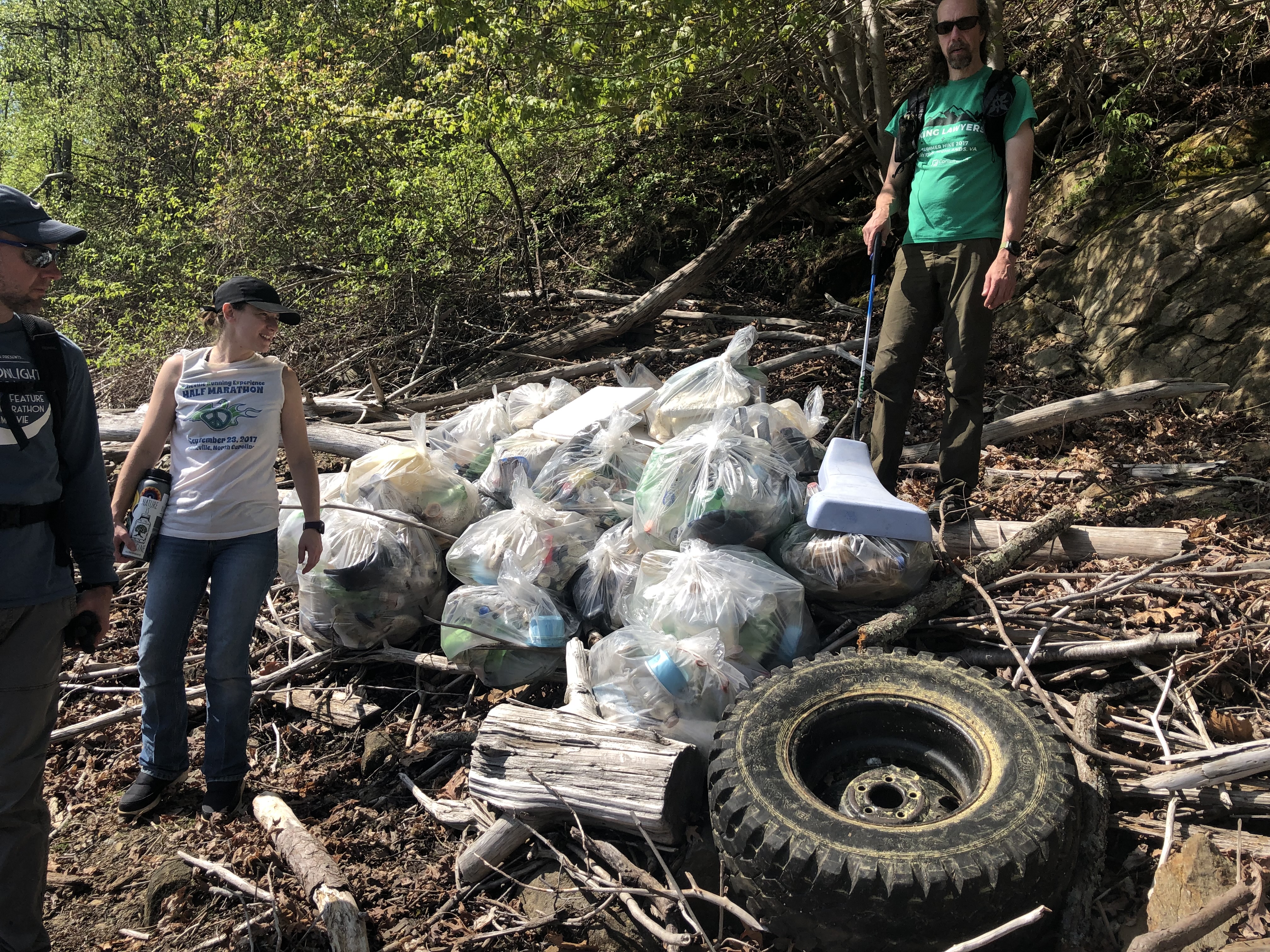 Volunteers who helped with the Save our Smokies cleanup on April 23 are shown here among their booty. Anna Lawrence/Hellbender Press
Amid the booze bottles and toilet paper, it’s ‘incredible what we found here’
Cleanup crews cleared garbage Earth Day weekend across Great Smoky Mountains National Park from mountain crests to the shores of Fontana Lake.
Save Our Smokies, which organized the April 23 event, called it the largest single cleanup ever attempted in the park. Volunteers wrangled some 5,000 pounds of garbage.
Save our Smokies Vice President Benny Braden said the organization removed 10,133 pounds of trash in all of 2021.
“Litter is a big problem. We can clean up a location and two months later we have to be back there because it’s worse than when we started,” Braden said in an interview Saturday morning at the Tremont section of the national park. “What gives us hope is our volunteers showing up,” he said, citing their tireless dedication.
Tragedy of the commons: Plant poaching persists in Smokies and other public lands
 A red trillium is seen in the Southern Appalachians. It is often the target of poachers who aspire to place it in an ill-suited domestic ornamental garden. Courtesy Wiki Commons
Forest service withholds ginseng permits to protect native Southern Appalachian plants as overall poaching persists
Paul Super has a message for people who take plants and animals from Great Smoky Mountains National Park:
It’s stealing.
“We’re trying to protect the park as a complete ecosystem and as a place that people can enjoy the wildlife and everything that lives here … but they have to do it in a sustainable way, and poaching doesn’t fit,” said Super, the park’s resource coordinator.
“Be a good citizen. Enjoy the park without damaging it.”
Super said the novel coronavirus pandemic led to the second-highest visitation to the park in 2020, just over 12 million, even with the park being closed briefly.
“This year will likely have the highest visitation ever,” he said, adding that the park is, in terms of the pandemic, a “relatively safe place for family and friends.”
Super said this higher visitation rate may lead to more poaching but it may also lead to more people who “appreciate something that a poacher would take away from them.
“Besides being illegal, that’s just selfish and rude,” Super said regarding plants and animals, and even cultural artifacts that are taken from the park.
Super is the park’s research coordinator, and is in charge of recruiting researchers to help better understand the nuances and full ramifications of stealing public natural resources. He said his researchers don’t enforce the laws, but they do alert law enforcement rangers to poaching incidents and suspicions.
- ginseng poaching
- poaching in great smoky mountains national park
- poaching in southern appalachia
- pink lady slipper
- ginseng
- smokies ginseng
- trillium
- great smoky mountains national park
- paul super
- smokies research coordinator paul super
- is removing plant from mountain illegal?
- insect poaching
- rare plant species
- ginseng trade
- butterfly poaching
- beetle poaching
- big south fork poaching
Limbless bears break hearts but donuts may be worse than leg traps
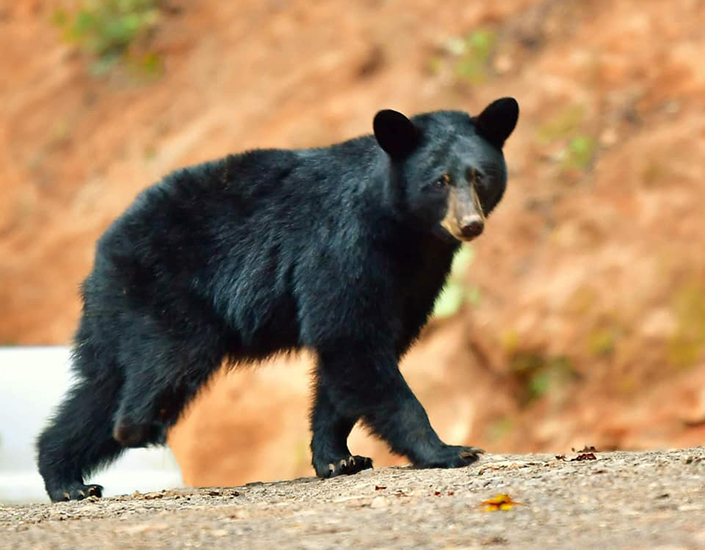 Courtesy of Help Asheville Bears
By any other name: From poaching to cars and traps, black bears face diverse human threats in Southern Appalachians
Activists and state agencies agree bear poaching is an age-old problem in the mountains of Tennessee and North Carolina, but they diverge when it comes to some key aspects of the crime and its prevention.
The non-profit Help Asheville Bears is raising awareness of threats to bears on both sides of the state lines and getting coverage on local media outlets like this piece on Knoxville-based WBIR. Its message has also appeared on a billboard in Sevierville. The Arden, N.C.-based group offers a tip line, rewards and also supports what could be described as a self-styled anti-poaching militia.
“Bear poaching is a big deal. It happens anywhere where there are bears,” said Jody Williams, the founder of Help Asheville Bears, which is responding to what its members see as an increasing threat to the very symbol of wild Southern Appalachia. HAB is especially concerned about trapping that Williams said has left limbless bears limping throughout the mountains.
The group is demanding Amazon quit selling leg-snare traps with a petition on Change.org that has gotten more than 220,000 signatures.
A video at the top of the page shows images and footage of bears with missing limbs as sad flute music plays.
“We currently follow 12 cases of bears missing limbs in a 25 mile radius of the Asheville area and 15 missing limbs within 90 miles of Asheville,” according to the Help Asheville Bears website.
“Help Asheville Bears intends to help prevent illegal bear trapping in the South Asheville and Arden areas, where there has been much photographic evidence of illegal trapping, especially bears missing limbs.”
- bear poaching
- smoky mountains bear poaching
- limbless bear
- legless bear
- save asheville bears
- twra bear
- bear trap
- trap sold on amazon
- poacher strike force
- help asheville bear
- leg trap
- leg trap amazon petition
- danger to bear
- don't feed bear
- bearwise
- tennesse wildlife resources agency
- north carolina wildlife resources commission
- black bear
Cumberland Trail is nearing the end of its 50-year hike
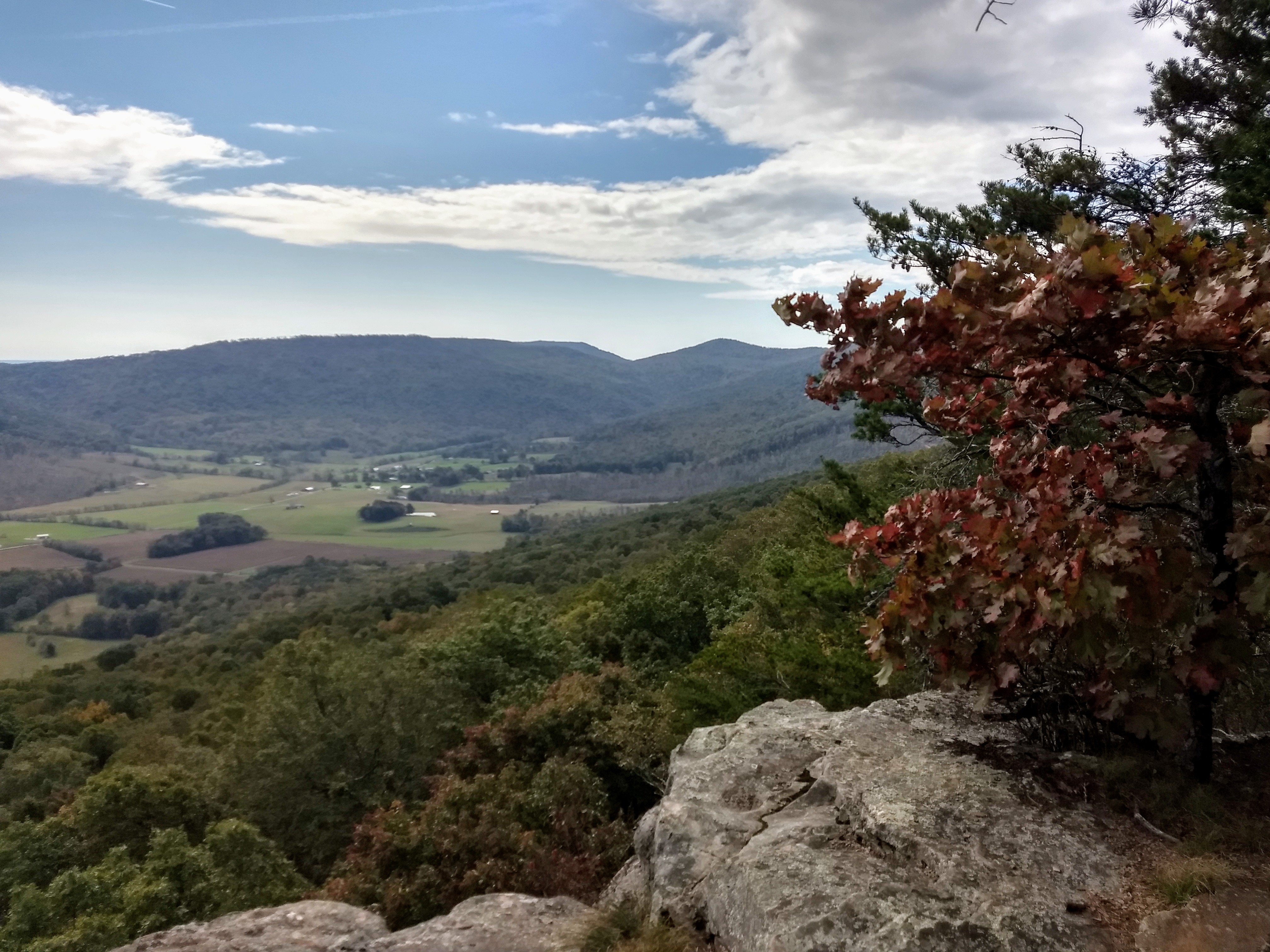 This is a view from the Cumberland Trail atop Brady Mountain. The complete trail, 50 years in the making, is almost done. Ben Pounds
The Cumberland Trail is nearly complete between Chatty and Cumberland Gap. That’s just the beginning.
Volunteers are putting the finishing touches on Tennessee’s Cumberland Trail, which will run from Signal Mountain near Chattanooga to Tristate Point near Cumberland Gap.
- cumberland trail
- completion
- cumberland plateau
- sequatchie valley
- hiking
- justin p wilson cumberland state park and state scenic trail
- great eastern trail
- tennessee state park
- cumberland trail conference
- tennessee trails association
- ozone falls
- crab orchard mountain
- lone star mountain
- piney river gorge
- hellican peak