The Environmental Journal of Southern Appalachia

Black bear killed man whose body was found by Hazel Creek in Great Smoky Mountains National Park

Written by

Rangers shot and killed bear eating body at campsite 82

(This story has been updated)

A black bear killed a man whose body was found by backpackers at a Hazel Creek campsite in September 2020.

Patrick Madura died “due to trauma caused by a bear,” according to a news release from Great Smoky Mountains National Park.

He would be only the second park visitor known to be killed in a bear attack in the 80-year history of the national park.

Glenda Bradley was killed in a predatory bear attack on the Little River trail in 2000. Two bears were shot and killed by park rangers after a Boy Scout troop came upon the incident. The animals, a sow and yearling, were eating and attempting to cache Bradley’s body when they were killed. 

Madura’s body was found by backpackers arriving at campsite 82 on Sept. 11, 2020. They first noticed an empty tent, then saw a bear “scavenging” the victim’s body across the creek. 

Rangers responding to the subsequent emergency call found a bear eating Madura’s body and shot and killed the animal. Hazel Creek Trail and the campsite were temporarily closed following the incident.

Madura, 43, of Elgin, Illinois was hiking and camping alone when he was attacked, according to the park service. No additional information about food storage issues or what may have precipitated the attack was immediately available from the park service.

Madura was an accomplished outdoorsman with a masters in biology and was trained as an EMT and firefighter, according to local reporting from the Chicago area following his death last year.  

Fatal attacks are extremely rare, given the number of visitors to the national park, the most visited in the country. Nonfatal attacks, while still rare, are more common. A bear attacked a teenager as she slept in a hammock near the Maddron Bald trail in the Cosby area earlier this year; she was airlifted from the park with serious injuries but was expected to make a full recovery. The bear involved in that attack was euthanized as well.

Rangers urge visitors to be Bearwise, but regularly encounter improper interactions between bears and visitors, such as an incident this summer in which a woman was cited for feeding a bear peanut butter from a vehicle in Cades Cove.

“Bears are an iconic symbol in the Smokies, but they are also dangerous wild animals, and their behavior is sometimes unpredictable” Bill Stiver, the Smokies supervisory wildlife biologist, said in the release. “There are inherent risks associated with hiking and camping in bear country. Black bears are the largest predator in the park, and although rare, attacks on humans have occurred, inflicting serious injury and death.”

Here’s the full release from the national park:

(This story was updated).

The North Carolina Chief Medical Examiner recently released a final report confirming that Great Smoky Mountains National Park visitor Patrick Madura died last summer likely due to trauma caused by a bear. 

On Sept. 11, 2020, backpackers initially found an unoccupied tent at campsite 82, a backcountry campsite in the park’s Hazel Creek Area. They later discovered what appeared to be human remains across the creek with a bear scavenging in the area and reported the incident to authorities. Upon arriving at campsite 82, park law enforcement rangers and wildlife officers observed a bear actively scavenging on the remains and promptly euthanized the bear. Hazel Creek Trail and campsite 82 were closed in response to the incident and have since reopened.  

This incident is the second bear-related fatality in the history of Great Smoky Mountains National Park.  

The park takes active measures in the backcountry to prevent human-bear conflicts, including: 

— Providing aerial storage cables for backpackers to hang their gear and food. 

— Educating visitors on how to respond if a bear is encountered on the trail or in a campsite.

— Closing backcountry campsites when bear activity is reportedly high in a given area. 

Hikers are reminded to take necessary precautions while in bear country, including hiking in groups of three or more, carrying bear spray, complying with all backcountry closures, properly following food storage regulations, and remaining at a safe viewing distance from bears at all times. 

If attacked by a black bear, rangers strongly recommend fighting back with any object available. Remember that the bear may view you as prey. In this circumstance, people should attempt to look large and not run or turn away from the bear. 

For more information on what to do if you encounter a bear while hiking, please visit the park website.
Rate this item
(2 votes)
Published in Earth

Related items

  • Celebrate the wild ties that bind Americans on Public Lands Day 2022 — Saturday, Sept. 24

    fontana

    GATLINBURG — The director of the National Park Service is expected in Great Smoky Mountains National Park on Saturday to celebrate National Public Lands Day.

    Director Chuck Sams plans to make some remarks in appreciation for the volunteers who help backstop national park maintenance costs before citizens fan out for various tasks across the park. Sams is the first Native American to head the park service, and he will be joined by Eastern Band of Cherokee Indians Chief Richard G. Sneed.

  • Falling trees accountable for very few deaths in Smokies, but they do happen

    CITIZEN TIMES: Child killed by falling tree was a very rare twist of horrible fate

    Karen Chavez of the Asheville Citizen Times wrote a great article on tree-related deaths in Great Smoky Mountains National Park and beyond following the death last week of a Georgia child killed by a falling tree as she was occupying a tent in Elkmont Campground.

    She reports the death of the child was only the 11th tree-linked death in the national park’s history.

    The first such death was reported in 1934, when a Civil Conservation Corps worker was killed. Tree-related deaths since are normally associated with roadways and hiking trails.

    “‘Deaths related to falling trees or limbs account for about 2 percent of total recorded deaths in the park. It’s an incredibly rare and tragic occurrence and accounts for the first-ever fatality caused by a tree falling on a tent in park history,’” according to an interview Chavez had with park spokeswoman Dana Soehn.

  • Updated: Summer of weather anomalies continues as deadly floods ravage SE Kentucky
    in News

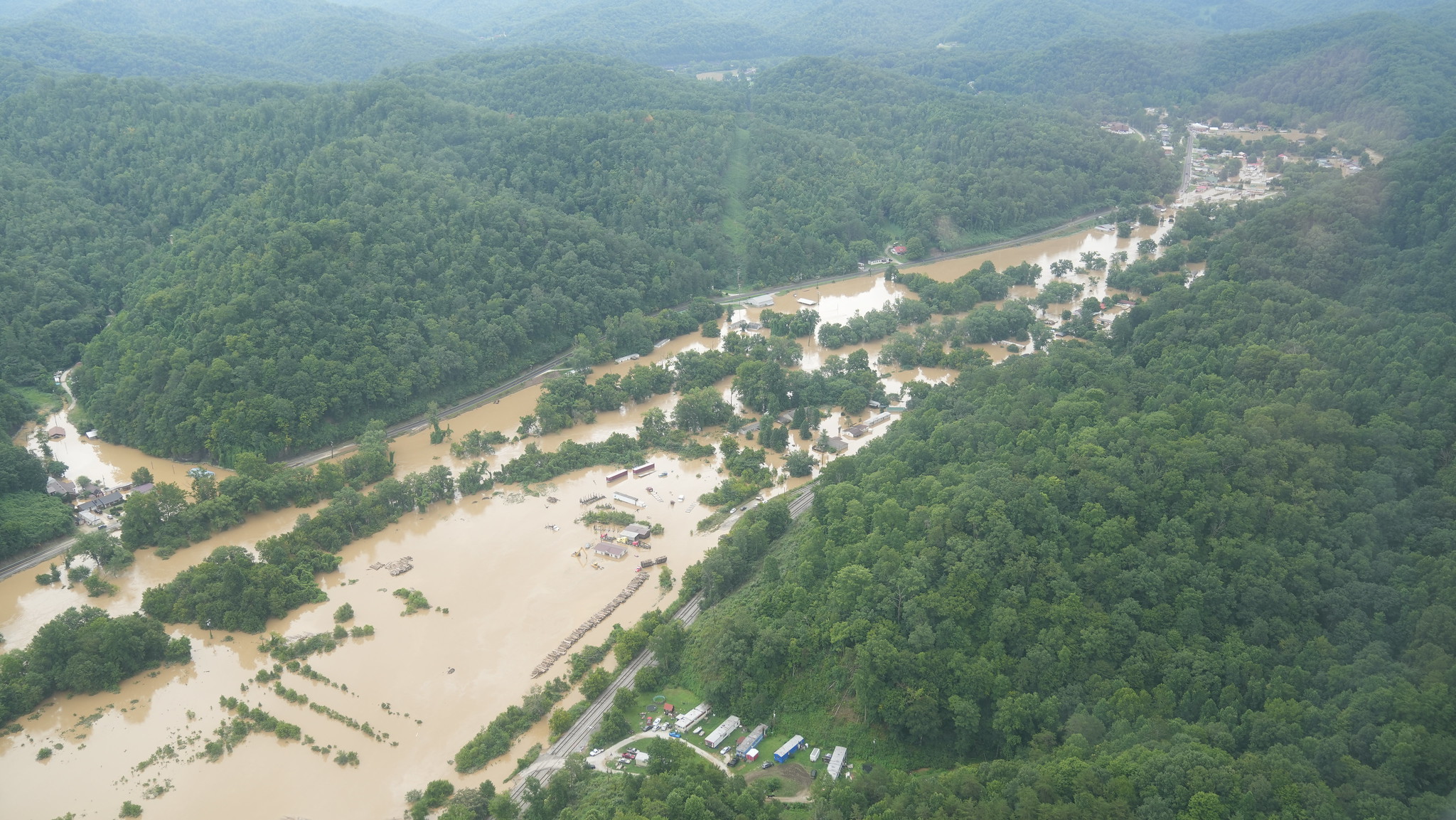
    ky floodsHeavy flooding is seen in eastern Kentucky this weekend. State of Kentucky/Office of Gov. Andy Beshear

    Another round of severe flooding hits the Southern Appalachian region

    UPDATED: The death toll from last week’s unprecedented flooding in Kentucky reached at least 29, as some areas contended with additional flooding over the weekend. Fifteen of those, including four children, died in Knott County, which is about 100 miles north of Kingsport.

    Water service to nearly 67,000 connections has been affected, as well as 17 wastewater-treatment systems in eastern Kentucky, according to Gov. Andy Beshear’s office. 

    “We are currently experiencing one of the worst, most devastating flooding events in Kentucky’s history. The situation is dynamic and ongoing,” Beshear said in a statement.

    “What we are going to see coming out of this is massive property damage and we expect loss of life. Hundreds will lose their homes. And this will be yet another event that will take not months, but years, for our families to rebuild and recover from.”

  • Falling tree kills child in Great Smokies

    ELKMONT — A 9-year-old girl died early Wednesday after a tree fell on a tent she was occupying in Great Smoky Mountains National Park.

    The unidentified child was among a group of people camping in Elkmont Campground when the red maple, 2 feet in diameter, fell shortly after midnight and crushed the girl in her tent, according to the National Park Service.

    The girl and her family had traveled to the national park from Georgia. Her father and two siblings weren’t injured, according to the park service.

    Elkmont Campground remains open, but the family’s campsite and an adjacent campsite were temporarily closed.

  • Has the Eastern Band of Cherokee Indians lost its ‘right way’ at Exit 407?
    in News

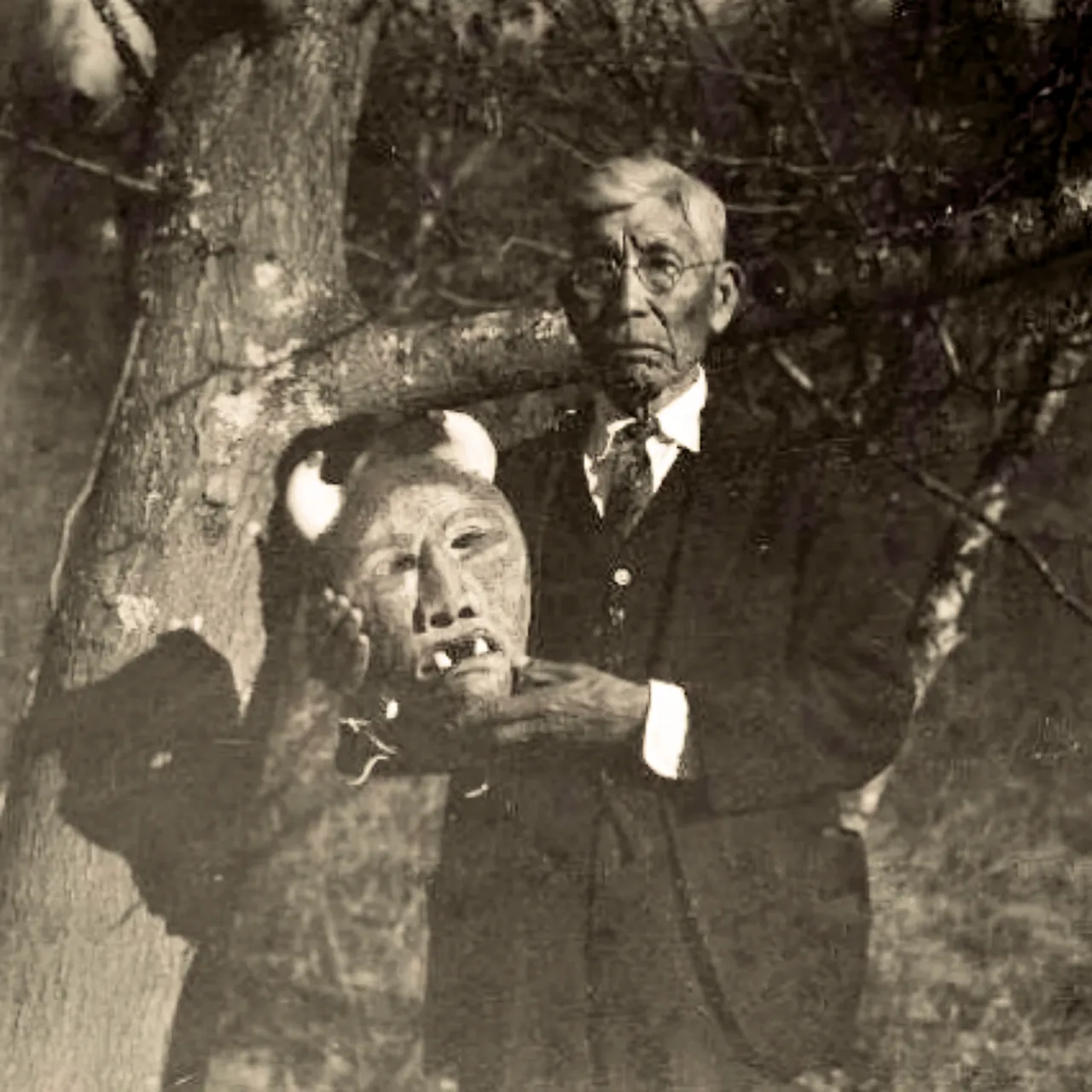
    Will West LongCherokee tribal council member, historian and ethnographer Will West Long holds a traditional Cherokee mask, which he often recreated. He was an active chronicler of Cherokee custom, heritage and tradition and died in 1947 on the Qualla Reservation in Swain County, North Carolina. WikiCommons

    As plans gel for massive new developments, has the Eastern Band lost its ancient way?

    SEVIERVILLE — The Tennessee Department of Transportation is eyeing a second interchange for exit 407 at Highway 66 along Interstate I-40 in Sevier County. 

    Exit 407, already one of the most congested interchanges in Southern Appalachia, accesses the main highway to Great Smoky Mountains National Park, the most visited national park in the nation. The park reported a record 14 million visitors in 2021.

    The exit also serves crowds flocking to Pigeon Forge and Gatlinburg.

    But the new interchange would primarily serve a 200-acre development to be called Exit 407: The Gateway to Adventure.   

    Scheduled to open spring 2023, and fully operational in 2024, it’s expected to attract 6.7 million people annually. The first phase includes a theme park and a 74,000-square-foot convenience store with 120 gas pumps, making it the world’s largest such store.

  • Torrential rains in Smokies destroy trails, roads and other infrastructure
    in News

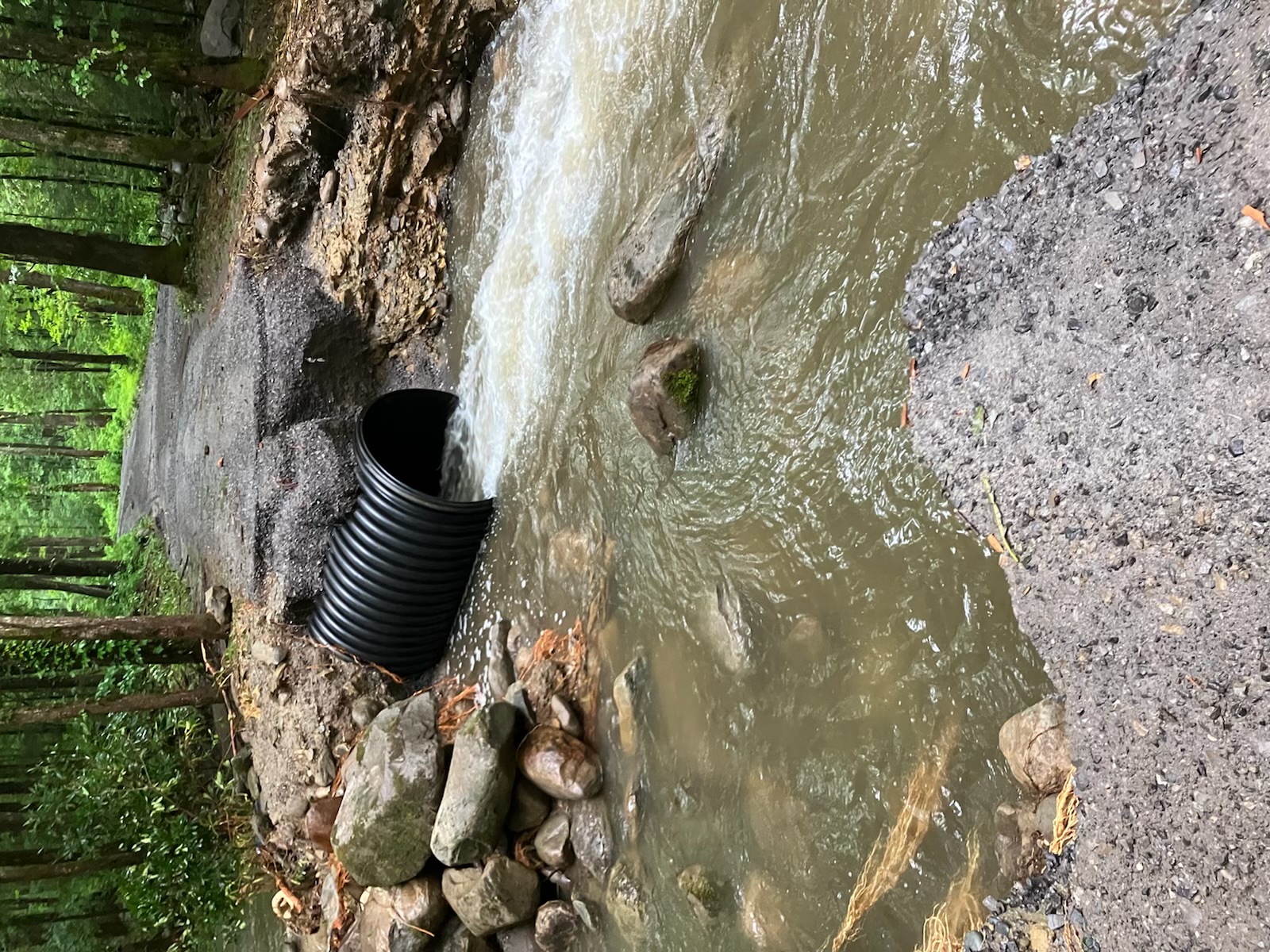
    7.13.22 Porters Creek Road washoutA washout is seen along Porters Creek Road in Great Smoky Mountains National Park following torrential rain on July 12. National Park Service

    Flooding causes Smokies damage, prompts water advisory for Sevierville 

    SEVIERVILLE — Extremely heavy rain on July 12 in the Smoky Mountains caused a cascade of problems now just coming to light.

    Sevierville and Sevier County issued a boil-water advisory early Thursday after debris flushed by Tuesday’s floodwaters clogged the city water utility’s main intake on the French Broad River, leading to pressure decreases that opened up lines to possible outside contamination.

    In Great Smoky Mountains National Park, Greenbrier campground was closed indefinitely after the swollen Middle Prong of the Little Pigeon River wiped out roads, trails and bridges in the area.

  • Smokies rangers kill bear after it hurts Elkmont campers while seeking food

    6-minute video about what to do if you see a black bear

    Smokies officials say euthanized bear was overweight and seeking human food

    GATLINBURG — Great Smoky Mountains National Park wildlife biologists and park rangers responded to Elkmont Campground on Sunday (June 12) after a peculiarly large black bear injured a toddler and her mother sleeping in a tent.

    Wildlife biologists captured the responsible bear, and it was euthanized Monday, June 13, according to a news release from the park service.

    “The bear weighed approximately 350 pounds, which is not standard for this time of year, suggesting the bear had previous and likely consistent access to non-natural food sources,” said Lisa McInnis, resource management chief.

  • Wild animals just aren’t that into you. Give them space or suffer the consequences.

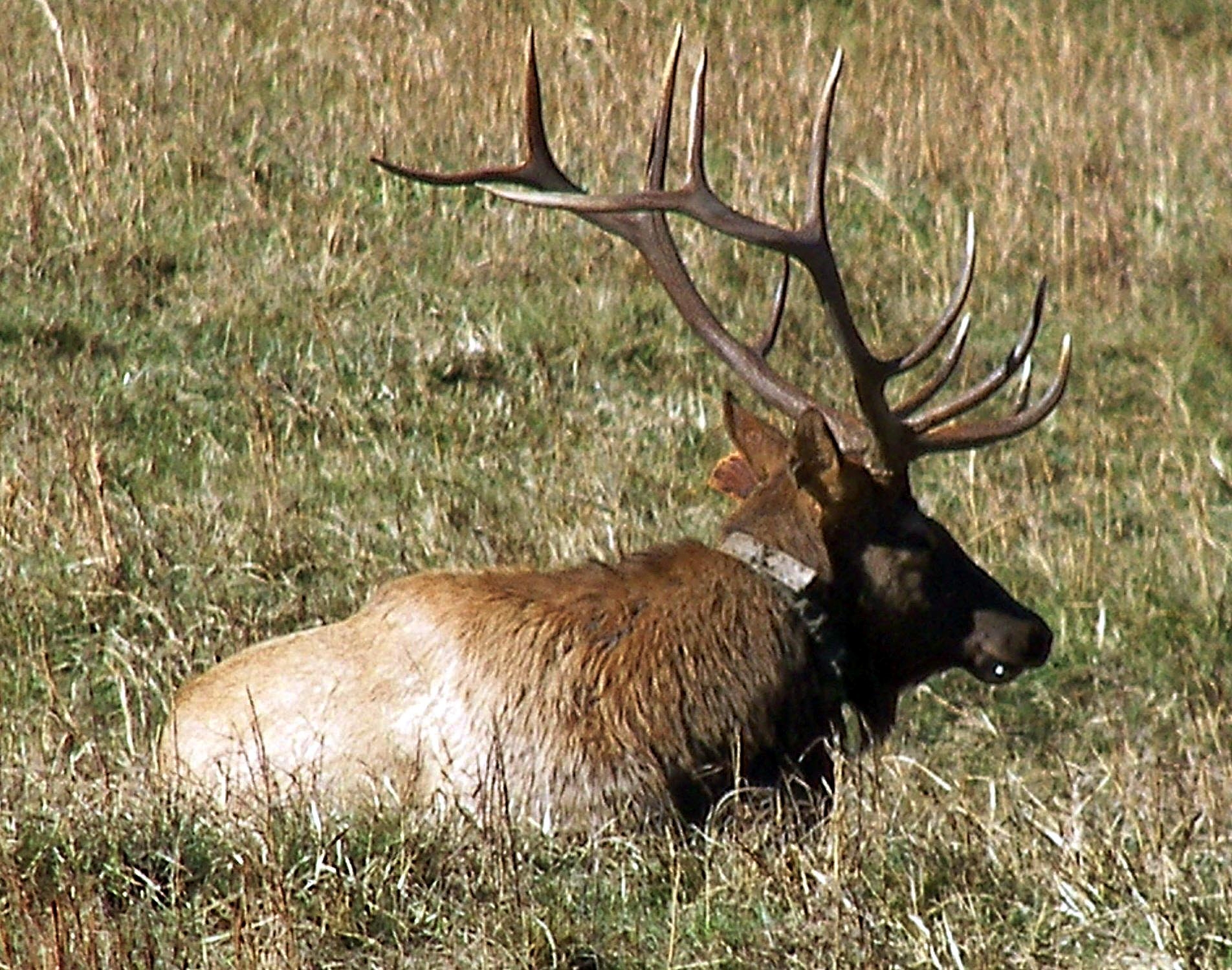
    284114AC 1DD8 B71C 0722E2E4CA635D1FOriginalA radio-collared bull elk is seen at rest in Cataloochee Valley.  Great Smoky Mountains National Park

    Please don’t feed or get attacked by the animals

    This story was originally published by The Conversation.

    Millions of Americans enjoy observing and photographing wildlife near their homes or on trips. But when people get too close to wild animals, they risk serious injury or even death. It happens regularly, despite the threat of jail time and thousands of dollars in fines.

    These four articles from The Conversation’s archive offer insights into how wild animals view humans and how our presence affects nearby animals and birds — plus a scientist’s perspective on what’s wrong with wildlife selfies. 

  • Bear Brawl


  • Clean sweep: Volunteers remove tons of trash from Smokies in largest one-day cleanup
    in News

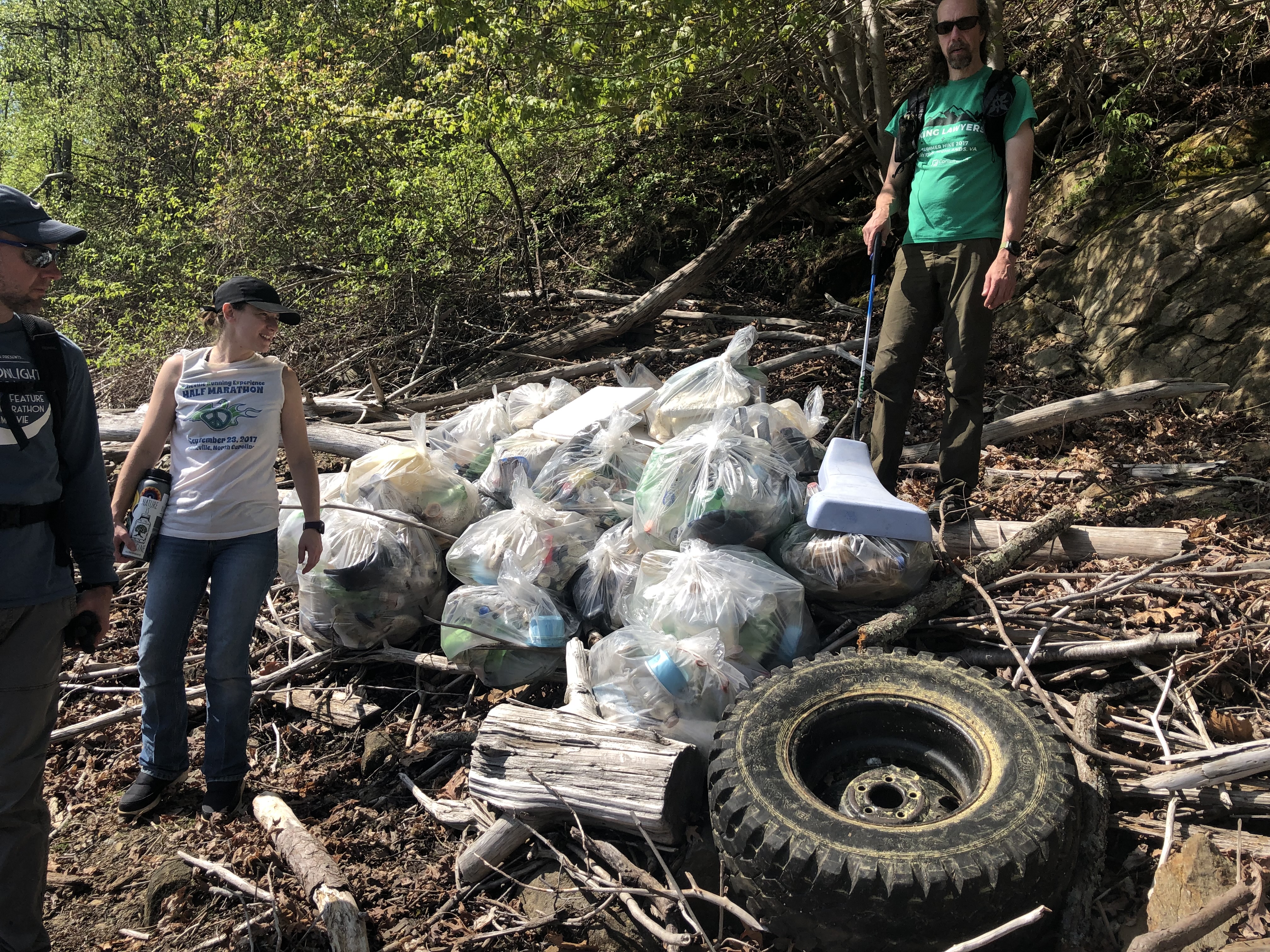
    Clean Up PileVolunteers who helped with the Save our Smokies cleanup on April 23 are shown here among their booty. Anna Lawrence/Hellbender Press

    Amid the booze bottles and toilet paper, it’s ‘incredible what we found here’

    Cleanup crews cleared garbage Earth Day weekend across Great Smoky Mountains National Park from mountain crests to the shores of Fontana Lake.

    Save Our Smokies, which organized the April 23 event, called it the largest single cleanup ever attempted in the park. Volunteers wrangled some 5,000 pounds of garbage.

    Save our Smokies Vice President Benny Braden said the organization removed 10,133 pounds of trash in all of 2021.

    “Litter is a big problem. We can clean up a location and two months later we have to be back there because it’s worse than when we started,” Braden said in an interview Saturday morning at the Tremont section of the national park. “What gives us hope is our volunteers showing up,” he said, citing their tireless dedication.