
The Environmental Journal of Southern Appalachia

One town tried to eliminate waste. Plastic posed a problem.

Written by

Kamikatsu Yuki Shimazu

Kamikatsu, Japan, famously declared its goal was to go waste-free by 2020. It didn’t quite get there.

This story was originally published in The Revelator

One of the many unfortunate outcomes of the coronavirus pandemic has been the quick and obvious increase in single-use plastic products. After COVID-19 arrived in the United States, many grocery stores prohibited customers from using reusable bags, coffee shops banned reusable mugs, and takeout food with plastic forks and knives became the new normal.

Despite recent scientific evidence that reusables don’t transmit the virus, the plastic industry has lobbied hard for a return to all things disposable plastic. Inevitably, a lot of that plastic will continue to flow into our environment.

While COVID-19 has certainly thrown a wrench into the hard-earned progress we’d been making in reducing waste, eliminating plastic pollution entirely was always going to be challenging — with or without a pandemic. The jarring rise of single-use plastics is an expedited version of a familiar trend. Plastic production has been steadily increasing for quite some time.

As a zero-waste advocate, I’ve seen how the tsunami of plastic continuously being produced and flooding our planet has made achieving zero-waste goals incredibly difficult. The sheer amount makes it hard to safely and efficiently dispose of plastic, no matter how hard we try.

But as I examine the problem, and search for solutions, I keep coming back to one noteworthy example. 

In 2003 the small Japanese town of Kamikatsu set an ambitious zero-waste declaration, aiming to be 100% waste-free by 2020. The goal was to produce no trash, meaning everything from food packaging to unwanted clothing to yesterday’s newspaper should be reused, repurposed into new goods, or recycled.

Now that 2020 has arrived, we can see the result: In the 17 years since establishing its goal, Kamikatsu transitioned from openly incinerating all its trash to reusing and recycling 80% of its waste.

While the town made incredible progress, it ultimately fell short of its 100% goal. Its main issue? Unrecyclable plastic packaging and mixed materials still end up in the trash.

As one resident explained to the AFP news agency last year, “Our lifestyle depends mainly on plastic. Consumers can reduce plastic waste to a certain extent, but we’ll still have waste if producers keep making plastic products.”

This reveals a worldwide truth: Even products made mostly from easily recyclable materials like paper, aluminum or cardboard can’t be sorted and recycled if they contain plastic components that can’t be separated.

The truth is, some materials simply aren’t recyclable, and only 9% of all the plastic ever created has been recycled. As Kamikatsu’s residents have painstakingly proven, no matter how many categories consumers sort their waste into or how diligently they scrub down their plastic food containers, most plastics cannot be recycled.

Meanwhile we keep hearing the industry-driven narrative that recycling can stop plastic from choking our marine life or littering our natural places. That’s intentionally misleading.

Around the world, as in Kamikatsu, plastic is everywhere. With excessive amounts of plastic products and packaging stocked on store shelves, it’s clear that zero-waste goals cannot be achieved by consumers alone. Plastic is not a “zero waste” material, so in order to achieve zero waste, companies must stop making so much plastic.

We can achieve that. The first steps include banning some of the worst and most polluting single-use plastics, placing a pause on the development of new plastics facilities, and protecting state and local governments’ ability to enact more stringent regulations.

We must also shift the paradigm by holding producers responsible for the waste they create. By requiring new plastic products to contain recycled plastic and making producers fund the collection and recycling of plastic products, producers would be incentivized to design longer lasting products that can actually be reused and recycled.

These goals — outlined in numerous scientific studies and advocacy reports — have some forward motion. In the United States, a federal bill was introduced, first in 2020 and again in March 2021, in both the House and the Senate, the Break Free From Plastic Pollution Act. With 104 cosponsors in the House and 12 in the Senate, it has been referred to committees. If passed, this bill — or others like it on the local, state or national levels — could help move the world beyond single-use plastics and make that needed systemic change a reality.

The bill hasn’t moved forward yet, but the world is still on a deadline. A recent study published in the journal Science looked at rising levels of plastic production and said “coordinated global action is urgently needed to reduce plastic consumption, increase rates of reuse, waste collection and recycling, expand safe disposal systems and accelerate innovation in the plastic value chain.”

Requiring producers to stop making nonrecyclable products designed to be thrown out is the first step toward achieving that goal. Only then will Kamikatsu and other towns, cities and countries around the world finally be able to eliminate plastic pollution and reach 100 percent zero waste.
Rate this item
(2 votes)
Published in Earth

Related items

  • There’s a whole world in the dirt beneath your feet
    in News
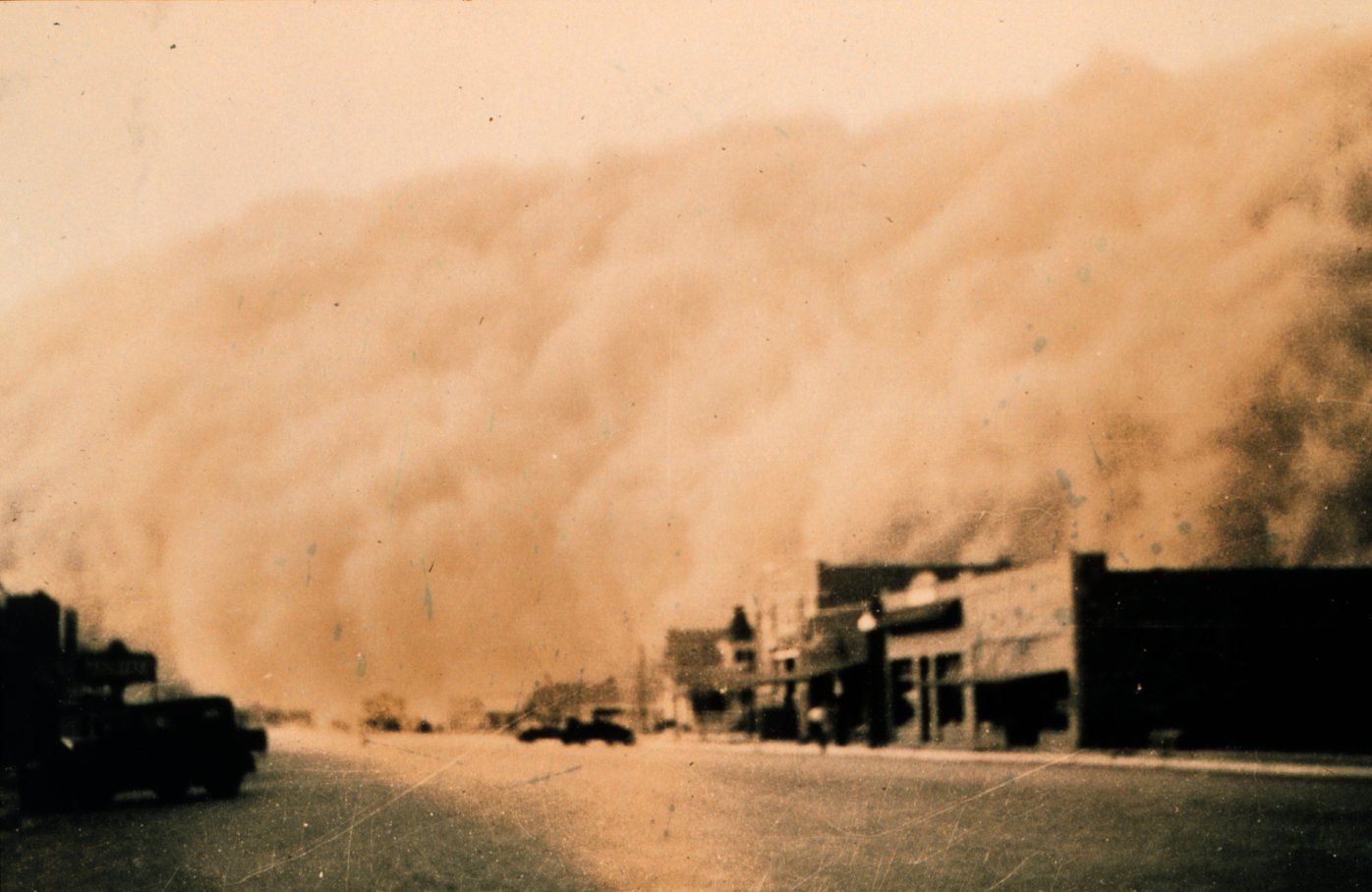
    Dust bowl soilThe Dust Bowl of the 1930s resulted in the displacement of tons of soil in the midst of a drought similar to the one that grips the Southwest today. Library of Congress
     

    Dirt is far from just dirt. It’s a foundation for life.

    This story was originally published by The Revelator.

    Look down. You may not see the soil beneath your feet as teeming with life, but it is.

    Better scientific tools are helping us understand that dirt isn’t just dirt. Life in the soil includes microbes like bacteria and fungi; invertebrates such as earthworms and nematodes; plant roots; and even mammals like gophers and badgers who spend part of their time below ground.

    It’s commonly said that a quarter of all the planet’s biodiversity lives in the soil, but that’s likely a vast understatement. Many species that reside there, particularly microorganisms such as viruses, bacteria, fungi and protists, aren’t yet known to science.

  • Skunked: Collapsing fisheries pose a dire threat to the planet
    in News

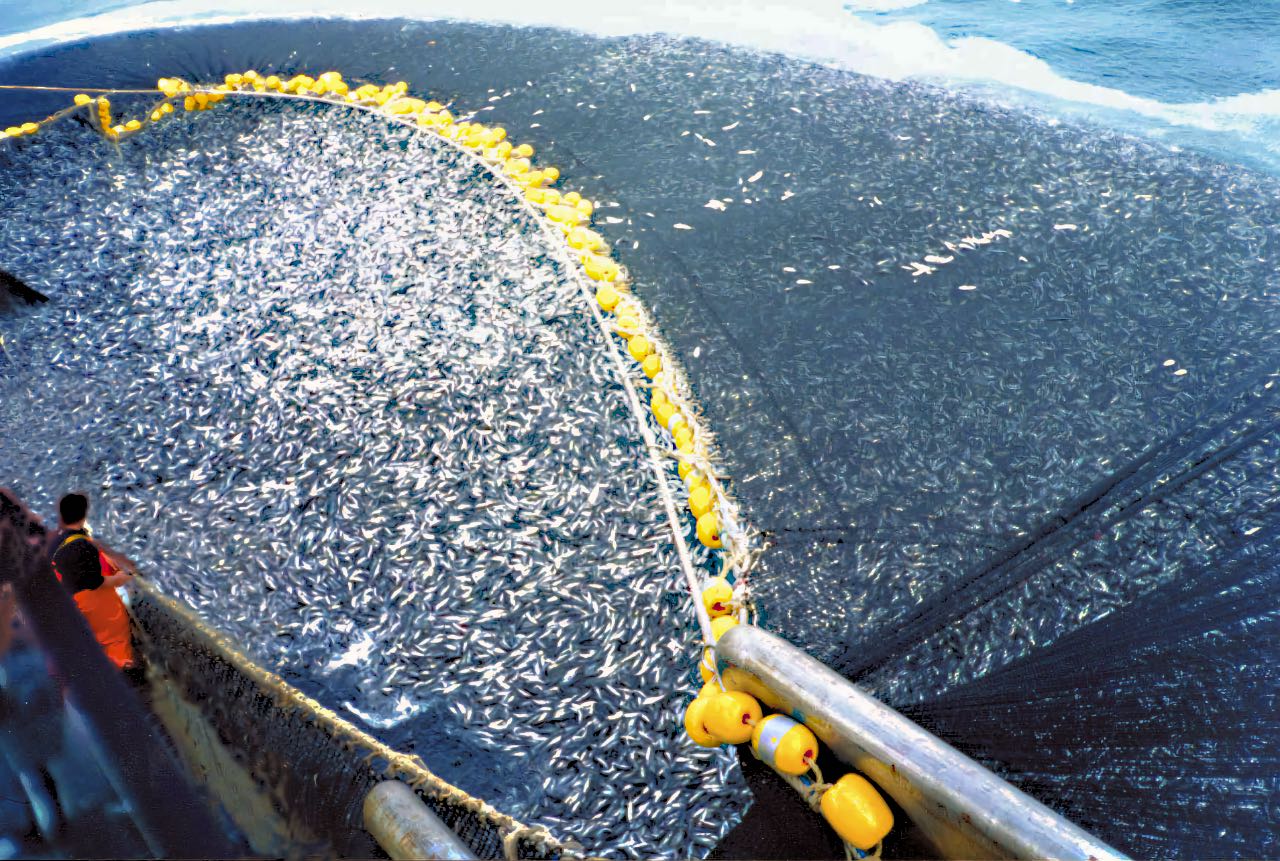
    Chilean purse seineA purse seine on a Chilean fishing vessel captures tons of mackerel. NOAA

    We need to navigate to where fish sticks in your mind

    You can read Coty Perry’s full report on overfishing at YourBassGuy.com.

    When you hear about sustainability, one thing that often flies under the finder is the topic of overfishing. Many will say that overfishing is a natural response to the need for more fish, but it runs much deeper than that.

    The goal of this article is not to shame any specific industry, country or company. The goal is to shine light on an issue I believe is highly under-reported by mainstream media.

  • The South’s hidden climate threat
    in News

    Spreading avens in bloom 9406109069Spreading avens are seen in bloom in the Appalachians. The endangered long-stemmed perennials survive in higher mountain elevations but their lack of space to move higher in elevation in times of climate change and warming further threaten the plant.  USFWS

    It’s not just the coastlines that are recording climate change. Even the mountains of North Carolina are feeling the heat — including some endangered plants

    “Atlanta reporter Dan Chapman retraced John Muir’s 1867 trek through the South, including the naturalist’s troubling legacy, to reveal environmental damage and loss that’s been largely overlooked.” This is an excerpt published by The Revelator from his book, A Road Running Southward: Following John Muir’s Journey Through an Endangered Land.

    BOONE — It’s a wonder anything survives the ice, snow, and winds that pummel the ridge, let alone the delicate-seeming yellow flowers known as spreading avens.

    The lovely, long-stemmed perennials are exceedingly rare, officially listed as endangered, and found only in the intemperate highlands of North Carolina and Tennessee. They sprout from shallow acidic soils underlying craggy rock faces and grassy heath balds. At times blasted with full sun, but mostly shrouded in mist, the avens are survivors, Ice Age throwbacks that refuse to die. Geum radiatum is only known to exist in fourteen places, including hard-to-find alpine redoubts reached via deer trail or brambly bushwhacking.

  • Knoxville is a great city to recycle

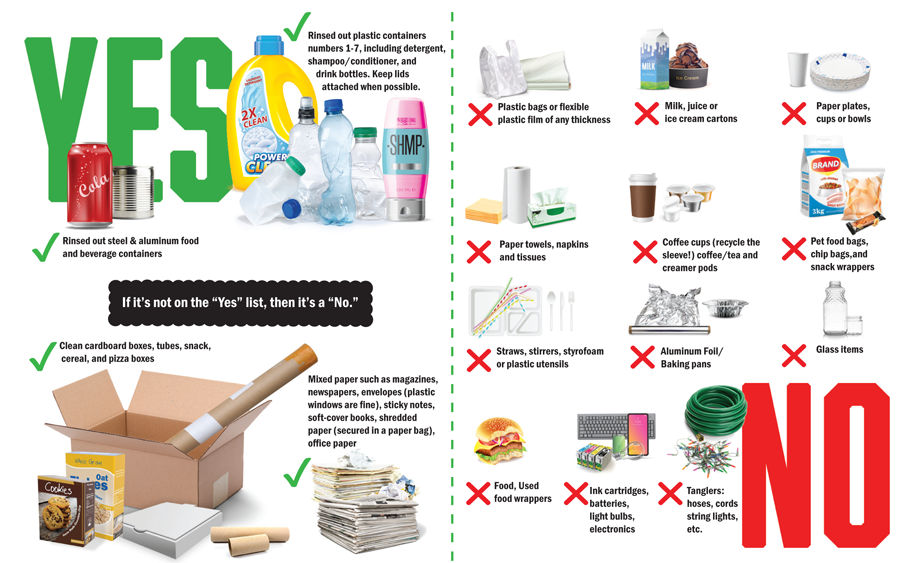
    recycling postcardCity of Knoxville

    Recycling rates are at a high, but challenges remain 

    This article was provided by city of Knoxville Deputy Communications Director Eric Vreeland.

    KNOXVILLE — How do city residents do recycling? Successfully, enthusiastically and smartly, according to two measurements:

    — Nearly 55 percent of eligible households are now signed up for curbside recycling, which is an all-time high representing about 33,000 families.

    — A Feb. 11, 2022 analysis found that non-recyclable materials make up only 16.8 percent of what goes into Knoxville curbside recycling carts. That’s better than the national average of 25 percent.

  • In Ukraine, fear of nuclear plants riven by Russia cuts to the core
    in News

    Chernobyl Anniversary Image 95ygu3xoy2ou9ehve2dk952The Chornobyl Nuclear Plant in Ukraine is seen in 1986 after a fire devastated the plant and led to radiation emissions that spread across the European continent. United Nations

    36 years after the Chornobyl crisis, Ukraine presents a test for nuclear reactor survivability

    This story was originally published in The Revelator.

    CHORNOBYL, UKRAINE — It took less than a minute after an unexpected power surge for one of the nuclear reactors at Chornobyl (Chernobyl in the Russian spelling) to explode on April 26, 1986, ripping the roof off and spewing dangerous toxins into the air.

    The event, and emergency cleanup that followed, left 30 workers dead, thousands exposed to cancer-causing nuclear material and later death, and a legacy of radiation. Now, 36 years later and with war raging, Ukraine is desperate to prevent another nuclear disaster.

    Nuclear reactors generate more than half of the country’s power. Ukraine is the first country with such a large and established nuclear energy program to experience war, according to the International Atomic Energy Agency.

  • Like a message in a bottle, washed-up plastic signals a growing threat to global health
    in News

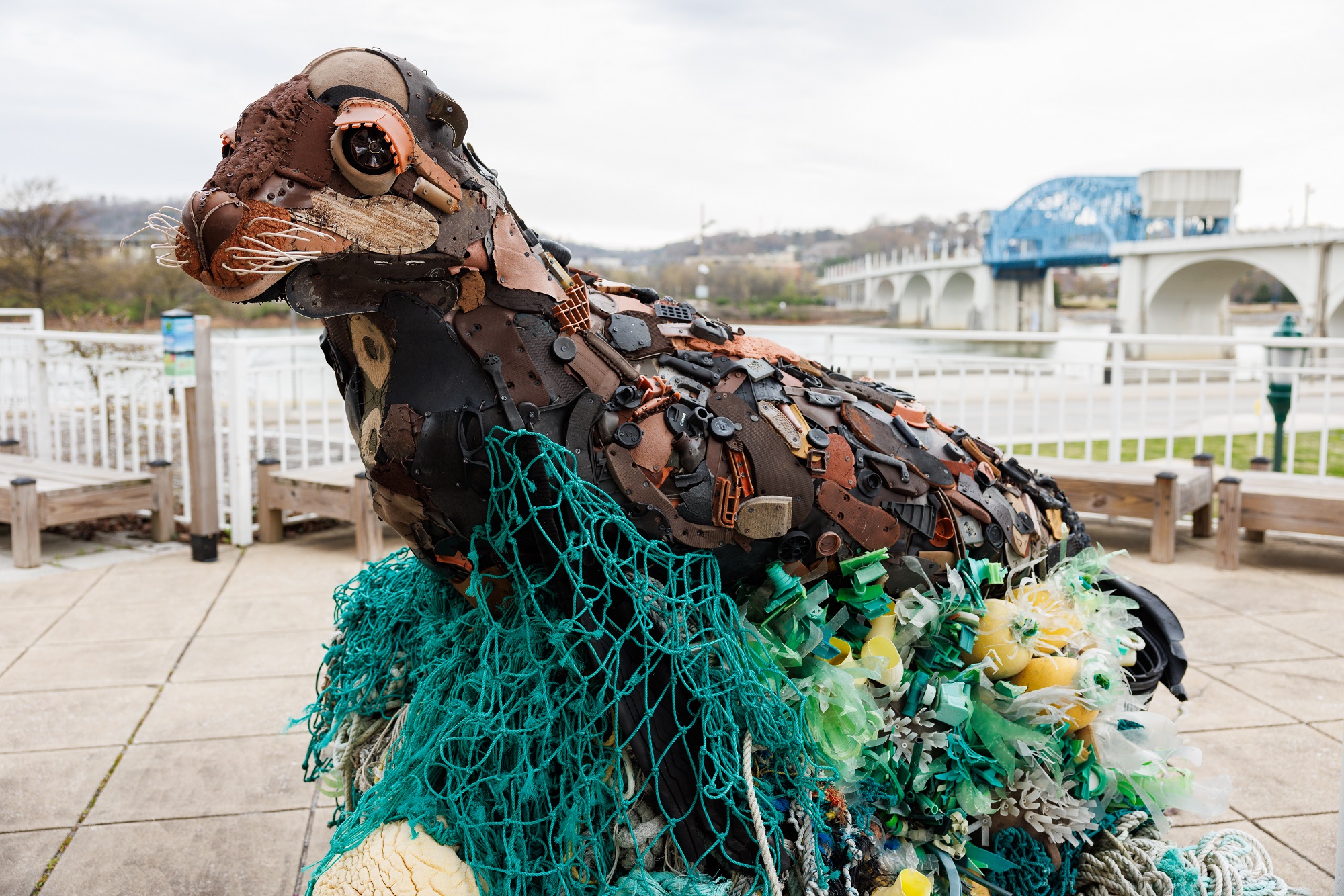
    A Sea Lion sculpture from the Washed Ashore art exhibit.A sea lion sculpture from the Washed Ashore art exhibit that will open this weekend at the Tennessee Aquarium in Chattanooga.  Tennessee Aquarium/Washed Ashore

    Poignant plastic-waste art exhibit washes ashore at Tennessee Aquarium  

    CHATTANOOGA — Visitors to the Tennessee Aquarium will see a dire warning in the guise of colorful art crafted from plastic debris at a unique exhibit beginning April 16.

    Washed Ashore is an Oregon-based nonprofit organization dedicated to repurposing plastic waste through artists and sparking conservation conversations. The Tennessee Aquarium will host an exhibit of its sculptures and collages.

    Those who walk ocean and lake beaches see the accumulated debris. Some may try to ignore it. Others may abandon their favorite places for recreation and relaxation because they can no longer bear the unsightly wreckage. Plastics impact every living creature.

  • Countless living things are under attack in Ukraine
    in News

    falco cherrugThe Ukrainian roosting areas of the endangered Saker falcon  face a threat from military conflict precipitated by the Russian invasion. International Union for Conservation of Nature 

    10 ways war is bad for the natural world

    This story was originally published by The Revelator. Here's a related story about endangered species in Ukraine threatened by the invading forces of Vladimir Putin.

    As war and conflicts rage on in Ukraine, Yemen, South Sudan, Libya and other places around the globe, it’s important to look at the long-term effects of military strife, which can destroy the environment as easily as it destroys lives. (Thousands of humans have already perished in the invasion.)

    “Russia’s military operations in a heavily industrialized, densely populated nation containing numerous refineries, chemical plants, and metallurgical facilities further compounds the threat of these hostilities for Ukraine’s people and their environment, both now and for years to come.”

    Here are 10 of the most dangerous ways war affects the animals and plants around us — many of which also harm humans in the process. 

  • New year. Old challenges.

    168691309 4048180571871818 2861942263530178348 n

    From plastic pollution to extreme weather and the extinction crisis, the year ahead promises tough fights, enormous challenges and critical opportunities

    This story was originally published by The Revelator.

    A new year brings with it new opportunities — and more of the same environmental threats from the previous 12 months.

  • How to survive another Covid Christmas
    in News
    By

    How to protect your family and community from Covid-19 over the holidays

    The video above is a recording of the webinar hosted by the Foundation for Global Sustainability and co-produced with Hellbender Press and The Technical Society of Knoxville on December 21, 2021 on how to keep safe from Covid-19 and its emergent variant, Omicron, during the holidays.

    James M. Reynolds, MD has an exceptional ability to bring together and explain in a straight forward and easy to understand way everything one needs to know to keep safe. After two years of uncertain news, speculation, contradictory discoveries, rampant misinformation, ever changing variants and recommendations, he straightens out the knots of uncertainty and insecurity left by this tumultuous period in most brains.

  • Tennessee Theatre latest major venue to require vax proof or test result for entry

    The Tennessee Theatre announced Monday it will require proof of inoculation against Covid-19 or a recent negative test for the virus before entry into the historic, storied theater on Gay Street in Knoxville. The theater will also require that all audience members be masked. The new rules are effective immediately.

    The theater said in an email that increasing rates of infection in the Knoxville area and elsewhere in the country — predominantly in the Southeast — prompted the public-safety decision.

    ”Because of this, the Tennessee Theatre is enacting some new (Covid) protocols to allow us to continue presenting events while doing our best to keep our audiences safer and healthier.“ The rules will be in place at least through Halloween, according to the theater.

    ”While we take these necessary steps to remain open and serving the community while providing a safer environment for all, we ask for patience and understanding as we continue to navigate a challenging period in the Tennessee Theatre’s 93-year history.”

    The negative test must have been administered within the preceding 72 hours.

    Some upcoming shows and events at the Tennessee Theatre into October include this week’s screening of the Goonies; three Knoxville Symphony Orchestra Masterworks Series performances; the Righteous Brothers; and an Alton Brown appearance.