The Environmental Journal of Southern Appalachia

Enviros to TVA: Retire the fossil-fuel pacifier

Written by

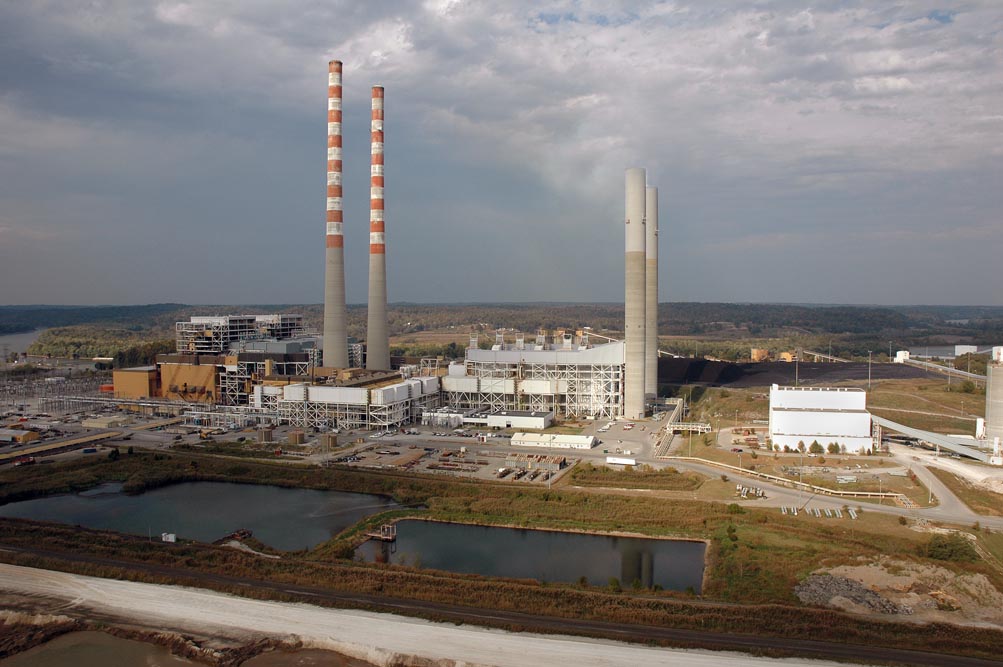
Cumberland FPTVA’s Cumberland Fossil Plant near Clarksville is the subject of a suit filed by environmental groups, including Appalachian Voices and Southern Environmental Law Center.  Tennessee Valley Authority

SELC, others file suit in hopes of dissuading TVA from future fossil options

This story was originally published by Tennessee Lookout.

CLARKSVILLE — On behalf of the Tennessee Chapter of the Sierra Club and Appalachian Voices, the Southern Environmental Law Center asked TVA to prepare a supplemental environmental statement to address concerns with TVA’s draft environmental impact statement, which details the agency’s plans to retire the Cumberland Fossil Plant.

The Cumberland Fossil Plant, about 22 miles southwest of Clarksville, is TVA’s largest coal-fired power station and was built between 1968 and 1973. TVA plans to retire each unit of the two-unit, coal-fired steam-generation plant separately: one unit no later than 2030, and the second unit no later than 2033. But the plant will need to be replaced, and TVA is currently considering three alternatives to fossil fuel, including natural gas and solar energy, according to its draft EIS.

(Tennessee Valley Authority already plans to close down the Knoxville-area Bull Run fossil plant in Claxton next year).

Since the initial draft was submitted in May 2021, TVA has publicly said it planned to replace the coal plant with natural gas and a 32-mile pipeline to transport gas to the plant to reach its goal of “net-zero” decarbonization by 2050.

But members of the two conservation groups said they were concerned with TVA’s current plans to retire the plant and noted that community groups and federal agencies have pushed back on agency plans.

“The Cumberland Fossil Plant is one of the dirtiest power plants in the nation, and its retirement is long overdue. But instead of using the retirement as an opportunity to transition toward a clean energy future, TVA is planning to double-down on dirty fossil fuels of the past by replacing the aging plant with a new ‘natural gas’ plant and pipeline,” said SELC director Amanda Garcia.

Garcia said concerns include how low-income communities will continue to be affected by TVA projects. TVA officials evaluated areas near the Cumberland plant but did not consider environmental justice and populations impacted disproportionately by pollution, advocates said.

The Environmental Protection Agency also noted substantial issues with TVA’s draft EIS and “strongly recommends the proposed action be modified or a different preferred alternative be selected.”

Conservation groups have argued that TVA needed to submit a new plan in response to the federal Inflation Reduction Act, which offers tax credits and incentives for renewable energy, and climate change.

“The utility’s multi-billion-dollar gas buildout will worsen the impacts of climate change and commit TVA’s customers to paying for expensive fossil fuels for decades to come. Just this summer, TVA increased fees to pay for high methane gas prices,”  Garcia said.

According to TVA spokesperson Scott Brooks, TVA is considering all comments and requests made since the draft release to be included in the final EIS, which is expected to be published by the end of the year.

“It’s premature to speculate on the outcome of the current EIS, which was released in draft form for public input earlier this year,” Brooks said.
Rate this item
(2 votes)
Published in News, 13 Climate Action

Related items

  • 5 big threats to the world’s rivers
    in News

    fresh water Conservation FisheriesA biologist with Conservation Fisheries surveys a stretch of Little River near Walland, Tennessee to determine fish viability and identify rare species for transplantation. Thomas Fraser/Hellbender Press

    Human activities have imperiled our waterways — along with a third of freshwater fish and other aquatic species

    This story was originally published by The Revelator.

    If we needed more motivation to save our ailing rivers, it could come with the findings of a recent study that determined the biodiversity crisis is most acute in freshwater ecosystems, which thread the Southern landscape like crucial veins and arteries.

    Rivers, lakes and inland wetlands cover 1 percent of the Earth but provide homes for 10 percent of all its species, including one-third of all vertebrates. And many of those species are imperiled — some 27 percent of the nearly 30,000 freshwater species so far assessed by the IUCN Red List. This includes nearly one-third of all freshwater fish.

    How did things get so bad? For some species it’s a single action — like building a dam. But for most, it’s a confluence of factors — an accumulation of harm — that builds for years or decades.

  • Austria to sue the European Union if it labels nuclear and gas power plants as “green infrastructure”

    VIENNA — Leonore Gewessler, Austria’s energy and climate minister announced that she would take the case to the European Court of Justice if the union’s executive proceeds with plans to include nuclear and natural gas in the EU taxonomy of sustainable finance.

    About gas, Gewessler said that it releases unconscionable amounts of greenhouse gases. “Just because something is less bad than coal doesn’t make it good or sustainable.”

    Regarding nuclear energy she said it has unpredictably high risks, referring to Chernobyl and Fukushima. She also mentioned as great concerns, the safe disposal of spent nuclear fuel and lack of a global solution for its final storage.

    Since the COP26 climate summit in Glasgow, Austria is aligned with Germany, Luxembourg, Denmark and Portugal in opposing further investments in nuclear power.

    However, France, Finland and ten other EU countries have been pushing for nuclear expansion. They still claim it is a low-carbon technology and trust that the radioactive waste problem can be solved.

    Luxemburg, Germany and Spain stated they will join Austria before the court, if necessary. Svenja Schulze, Gewesser’s German counterpart said of nuclear power, “it is too risky, it is too slow, it is too expensive!"

  • DOE energy justice official: New power paradigms must protect the poor
    in News

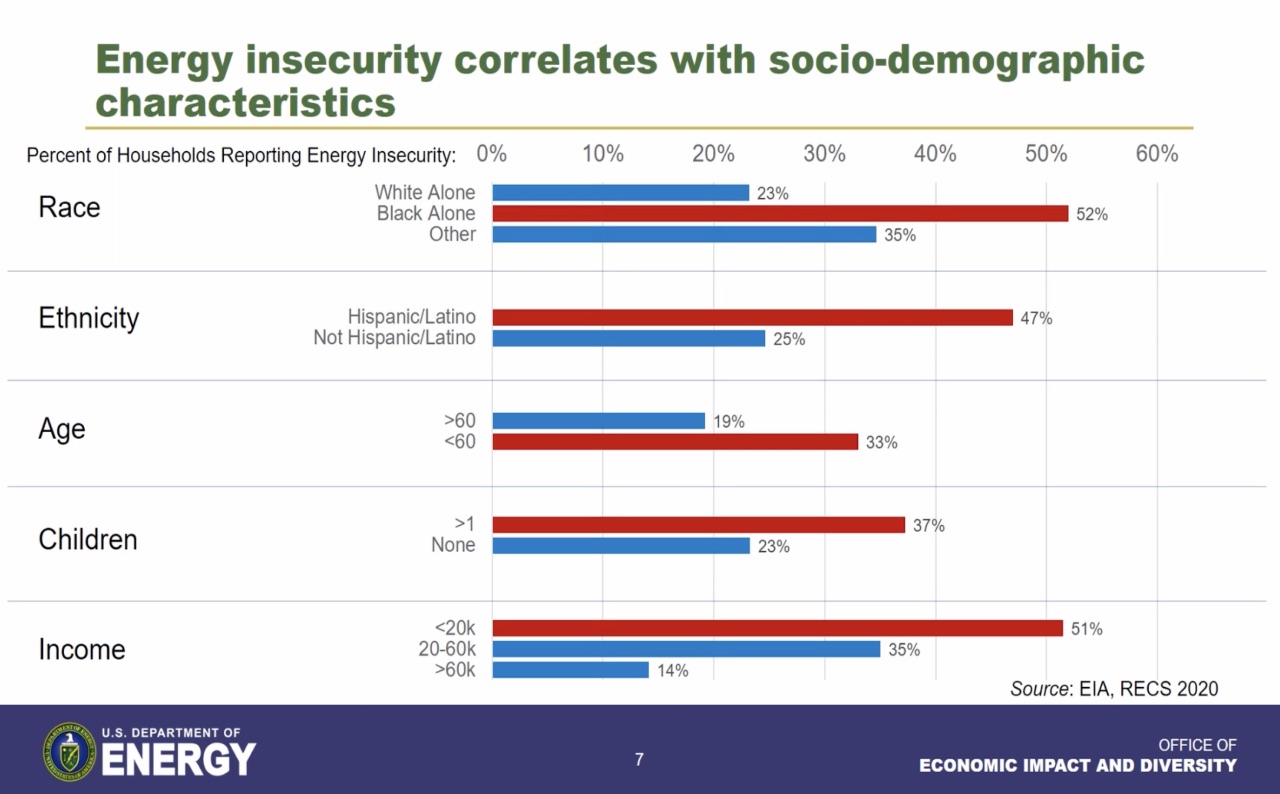
    reames1The inordinate burden of energy costs is shown in this slide presented by Tony Reames during a discussion of energy injustice at the University of Tennessee Howard Baker Center.  U.S. Department of Energy

    Department of Energy official pushes goals for energy equity in midst of power turmoil

    KNOXVILLE — Energy injustice seems abstract until you run extension cords to your neighbor’s house and store their food in your fridge because their power got cut off.

    What else are you supposed to do? Maybe start raising hell about the utility inequities faced by poor people that are clearer every day in an energy marketplace scarred by war and inflation and manipulated by global petroleum cartels?

    “We’re at a critical moment in our society. Across the globe, we are hearing about energy insecurity, energy, affordability issues, a lack of resources,” said Tony Reames, Department of Energy deputy director of energy justice, a newly created position at DOE.

  • For the win: The storied snail darter swims back from the brink
    in News

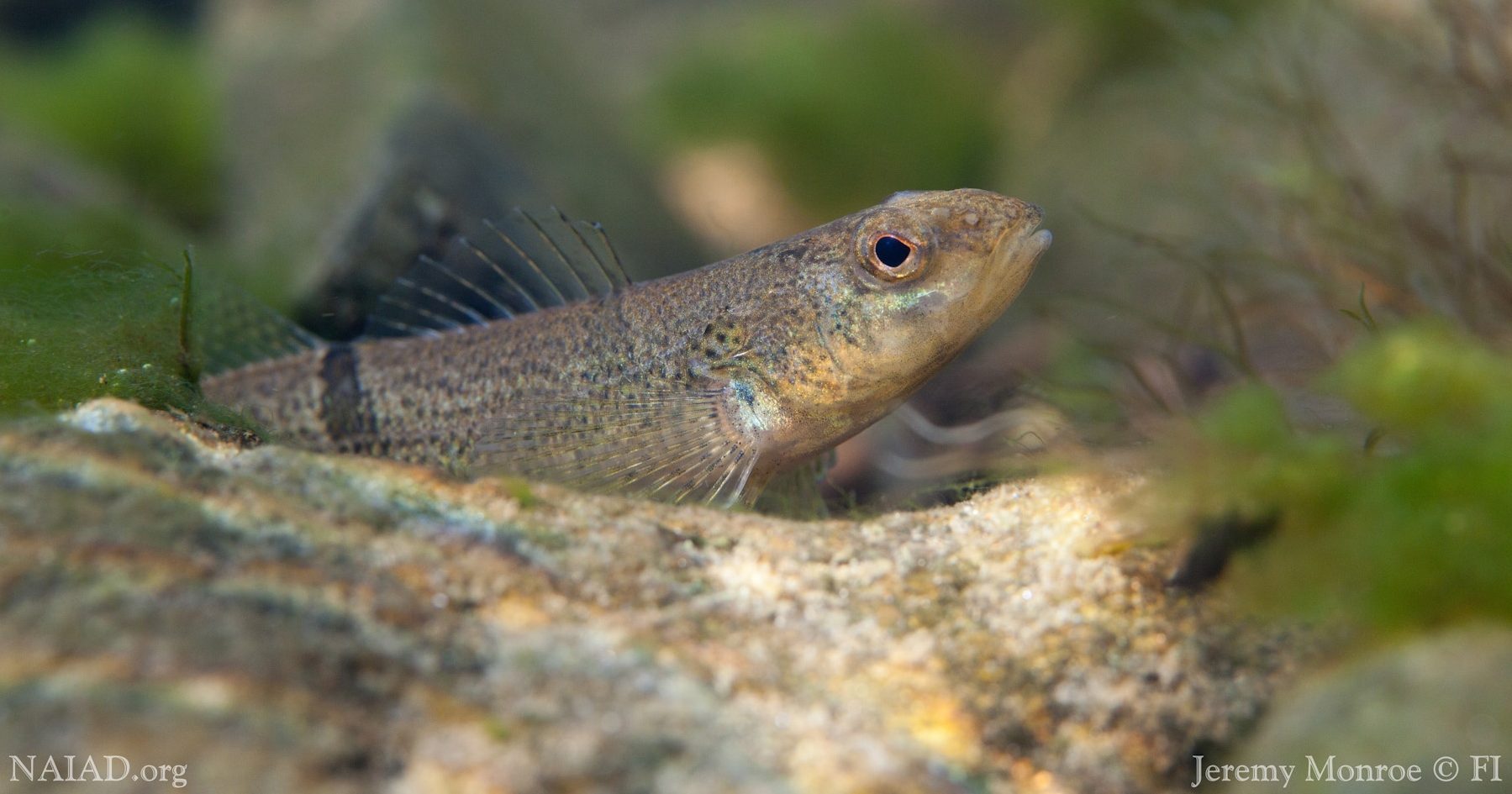
    Snail DarterThe snail darter, which caused an epic battle around TVA plans to dam the Tellico River in the 1970s, was recently removed from the Endangered Species List. Jeremy Monroe/Tennessee Aquarium

    The little fish that caused a maelstrom over a TVA dam project gets the last laugh

    TELLICO — In a win for endangered species protected by federal law, the U.S. Fish and Wildlife Service announced this week the fabled snail darter’s recovery and removal from the Federal List of Threatened and Endangered Wildlife. 

    Native to the Tennessee River watershed in Alabama, Georgia, Mississippi and Tennessee, the fish has long been an Endangered Species Act icon thanks to conservation efforts to save its habitat starting in the 1970s, when the Tennessee Valley Authority proposed construction of a dam on the Little Tennessee River. The snail darter (Percina tanasi) was central in the 1978 U.S. Supreme Court case Tennessee Valley Authority v. Hill, which solidified the scope of the then recently passed ESA. 

  • Brutal Hurricane Ian was just one of budding global weather emergencies at the time
    in News

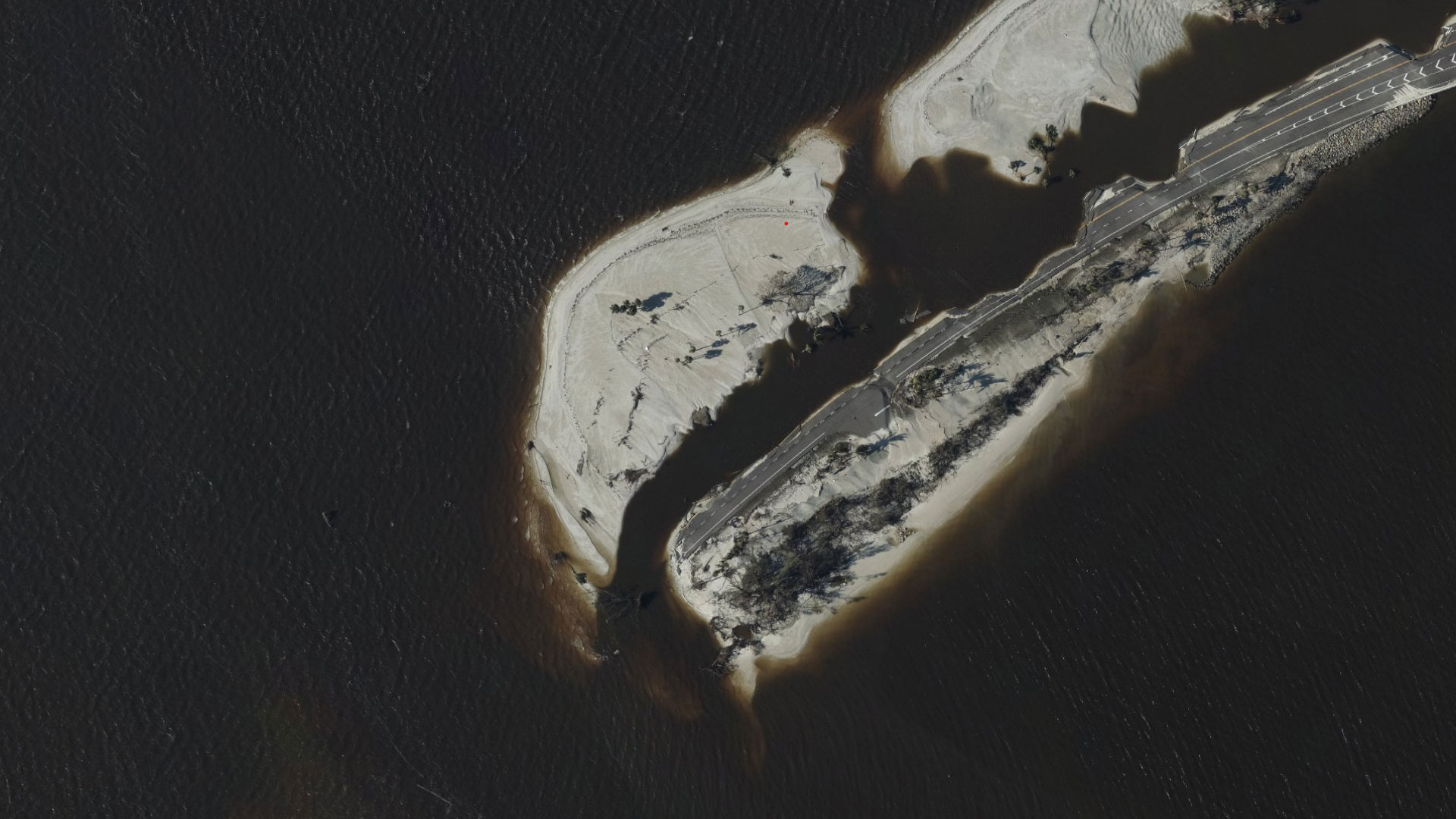
    overflight storm ianCatastrophic damage to the Sanibel Island Causeway is shown in this NOAA overflight after Hurricane Ian absolutely demolished most of Fort Myers Beach, Florida.

    Evidence mounts that climate change is creating monster storms as death toll climbs in Ian’s wake

    This story was originally published by The Conversation.

    FORT MYERS BEACH — When Hurricane Ian hit Florida and killed at least 100 people, it was one of the United States’s most powerful hurricanes on record, and it followed a two-week string of massive, devastating storms around the world.

    A few days earlier in the Philippines, Typhoon Noru gave new meaning to rapid intensification when it blew up from a tropical storm with 50 mph winds to a Category 5 monster with 155 mph winds the next day. Hurricane Fiona flooded Puerto Rico, then became Canada’s most intense storm on record. Typhoon Merbok gained strength over a warm Pacific Ocean and tore up over 1,000 miles of the Alaska coast.

  • APIEL, the 13th Appalachian Public Interest and Environmental Law conference is set for Saturday, October 1
    in News

    ELOlogoELO is a student-run organization at the University of Tennessee College of Law. It is not directly affiliated with the University of Tennesse or any particular non-profit organization. It is dedicated to providing students and attorneys with learning opportunities and leadership experiences.

    Networking environmental leaders across Appalachia and the State of Tennessee

    Knoxville — APIEL is a relative newcomer to the small circle of inclusive U.S. public interest environmental law conferences. Because it is organized by law school student volunteers, APIEL is affordable to attend for students as well as citizens from all walks of life.

    APIEL is much loved and considered essential by regional nonprofit leaders and activists. It is also highly acclaimed by seasoned environmental lawyers. With just 12 conferences under its belt, APIEL has risen to rank among leading peer conferences with a much longer track record, such as the  Public Interest Environmental Law Conference (PIELC) at the University of Oregon School of Law (39 events), the Red Clay Conference at the University of Georgia School of Law (34) and the Public Interest Environmental Conference (PIEC) at the University of Florida’s Levin College of Law (28).

  • There’s a whole world in the dirt beneath your feet
    in News
    Dust bowl soilThe Dust Bowl of the 1930s resulted in the displacement of tons of soil in the midst of a drought similar to the one that grips the Southwest today. Library of Congress
     

    Dirt is far from just dirt. It’s a foundation for life.

    This story was originally published by The Revelator.

    Look down. You may not see the soil beneath your feet as teeming with life, but it is.

    Better scientific tools are helping us understand that dirt isn’t just dirt. Life in the soil includes microbes like bacteria and fungi; invertebrates such as earthworms and nematodes; plant roots; and even mammals like gophers and badgers who spend part of their time below ground.

    It’s commonly said that a quarter of all the planet’s biodiversity lives in the soil, but that’s likely a vast understatement. Many species that reside there, particularly microorganisms such as viruses, bacteria, fungi and protists, aren’t yet known to science.

  • Activists urge TVA to take advantage of historic US climate bill for energy-efficiency improvements
    in News

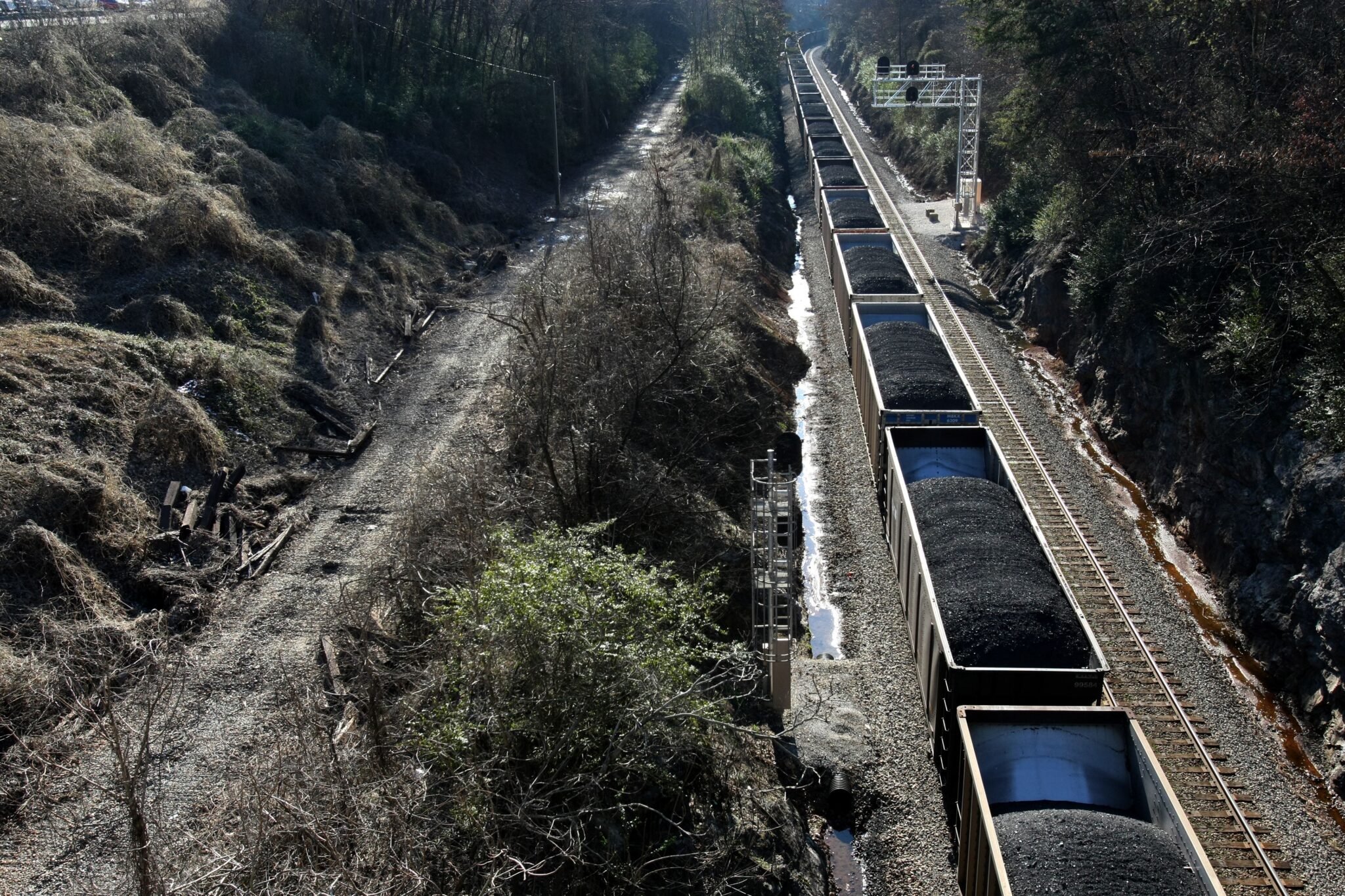
    TVA 1 2048x1365A hopper car on a train filled with coal to be delivered to a TVA coal-fired plant. John Partipilo/Tennessee Lookout

    Climate bill designates TVA as a potential recipient of clean energy investments and loans

    This story was originally published by Tennessee Lookout.

    KNOXVILLE  Clean-energy advocates are urging the Tennessee Valley Authority to use funds provided through the Inflation Reduction Act to deliver environmentally friendly energy to Tennessee customers. 

    The massive bill Congress passed Friday includes $370 billion for clean energy investments and listed TVA as an entity that is eligible to take advantage of clean energy credits and loans to significantly reduce the cost of energy-efficient infrastructure. 

    On Aug. 12, the Clean Up TVA Coalition, including the Sierra Club, the Southern Alliance for Clean Energy and Appalachian Voices, urged TVA to take advantage of the legislation and make funds available to its affiliated local power companies, which can then offer energy-efficient options for customers.

  • Monarch butterflies, an ephemeral but regular glimpse of beauty, are fluttering toward extinction
    in News

     Bales Monarch on coneflowerA monarch butterfly, recently declared endangered despite decades of conservation, is seen atop a coneflower. Stephen Lyn Bales

    Dramatic monarch declines mean the bell tolls for we

    KNOXVILLE — Monarch butterflies are ephemeral by nature. The orange and black dalliances that flitter through our lives, our yards, and our countryside like motes of dust are here one minute and gone the next. We pause for a few seconds to watch the “flutter-bys” and then move on.

    For about all of the Lepidopteran family, where they come from, where they go, their raison d'être, we don’t ask. They are winged wisps that pass through our busy lives. But that is not true with this orange and black butterfly, named to honor King William III of England, the Prince of Orange. But two people did ask.

    Norah and Fred Urquhart lived in Southern Canada and in the late 1930s they noticed that the monarch butterflies seemed to all be fluttering south this time of the year. Could they possibly be migrating and if so, where did they go? The notion that a butterfly might migrate south for the winter seemed hard to fathom. Yes, broad-winged hawks migrate. But a flimsy butterfly?

  • SACE sees many silver linings in Senate climate bill; House passage expected
    in News

    UN Climate ChangeA rainbow pierces gray skies during the 2021 United Nations Climate Change Conference in Glasgow. United Nations

    Climate activists stress positives of Senate climate bill despite its shortcomings 

    Amy Rawe is communications director for Knoxville-based Southern Alliance for Clean Energy.

    KNOXVILLE — The U.S. Senate passed the Inflation Reduction Act (IRA), an estimated $430 billion bill, of which approximately $370 billion will be allocated to investments in clean energy and to address climate change.

    It’s the single largest climate investment in U.S. history, and if it passes the House, will put the country on a path to be able to achieve roughly 40 percent emissions reduction from 2005 levels by 2030, reestablishing our influence in meeting the Paris Agreement goal of limiting global warming to 1.5 degrees Celsius.