The Environmental Journal of Southern Appalachia

Park service introduces permit system to protect Whiteoak Sink wildflowers

Written by

Wildflower Photographer in Whiteoak Sink 04172019A visitor to Whiteoak Sink in Great Smoky Mountains National Park photographs a wildflower.  Courtesy National Park Service

Park managers hope new rule will limit trampling of the flowers people flock to photograph. Meanwhile, there’s sad news about the sink’s resident bats.

Large groups of spring visitors to the geologically and ecologically unique Whiteoak Sink area near Cades Cove will have to obtain permits in an ongoing effort to prevent damage to the sink’s plant and animal habitats.

The sink is home to vivid wildflower displays in the spring, and the 5,000 people who come to see the annual spectacle stray off trails and destroy or damage some plant species.

“The intent of the trial reservation system is to better protect sensitive wildflower species that can be damaged when large groups crowd around plants off-trail to take photos or closely view blooms,” according to a release from Great Smoky Mountains National Park.

Whiteoak Sink is off the Schoolhouse Gap Trail between Townsend and Cades Cove.

“This trial project will allow managers to determine if better coordinating group access can reduce trampling and soil compaction around sensitive plant populations.”

Solo hikers or groups of fewer than eight people will not have to obtain the permits, which will cost $50 and be required from April 12 to April 30.

No permits will be issued on weekends, and no groups of more than 12 people will be allowed. Permits may be obtained via Recreation.gov .

Sixty-two plants were trampled and visitors created nearly 400 feet of new “social trails” in Whiteoak Sink in the spring of 2016, according to park monitors. Park managers have since implemented strategies — like the recent permitting requirement — to limit the damage.

Park volunteers are also on hand to educate visitors about the need to stay on established trails and prevent free-ranging photographers from destroying the flowers they came to photograph.

These efforts have reduced trampling by 80 percent, but soil compaction and the creation of new trails are still problems, according to the park service.

Park scientists and others are also monitoring bats that hibernate and roost in area caves, including the prominent Blowhole Cave in the hollow. The area has been closed in the winter to prevent further disturbance to bat populations suffering from white-nose syndrome, a fungus that disrupts bat hibernation.

The fungus causes bats to emerge from hibernation at inappropriate times, and infected bats were reportedly flying erratically and diving toward people during the winter.

The populations of resident bat species have plummeted to such a low level, however, the park service eliminated that rul

Rate this item
(2 votes)
Published in Earth

Related items

  • Celebrate the wild ties that bind Americans on Public Lands Day 2022 — Saturday, Sept. 24

    fontana

    GATLINBURG — The director of the National Park Service is expected in Great Smoky Mountains National Park on Saturday to celebrate National Public Lands Day.

    Director Chuck Sams plans to make some remarks in appreciation for the volunteers who help backstop national park maintenance costs before citizens fan out for various tasks across the park. Sams is the first Native American to head the park service, and he will be joined by Eastern Band of Cherokee Indians Chief Richard G. Sneed.

  • Falling trees accountable for very few deaths in Smokies, but they do happen

    CITIZEN TIMES: Child killed by falling tree was a very rare twist of horrible fate

    Karen Chavez of the Asheville Citizen Times wrote a great article on tree-related deaths in Great Smoky Mountains National Park and beyond following the death last week of a Georgia child killed by a falling tree as she was occupying a tent in Elkmont Campground.

    She reports the death of the child was only the 11th tree-linked death in the national park’s history.

    The first such death was reported in 1934, when a Civil Conservation Corps worker was killed. Tree-related deaths since are normally associated with roadways and hiking trails.

    “‘Deaths related to falling trees or limbs account for about 2 percent of total recorded deaths in the park. It’s an incredibly rare and tragic occurrence and accounts for the first-ever fatality caused by a tree falling on a tent in park history,’” according to an interview Chavez had with park spokeswoman Dana Soehn.

  • Updated: Summer of weather anomalies continues as deadly floods ravage SE Kentucky
    in News

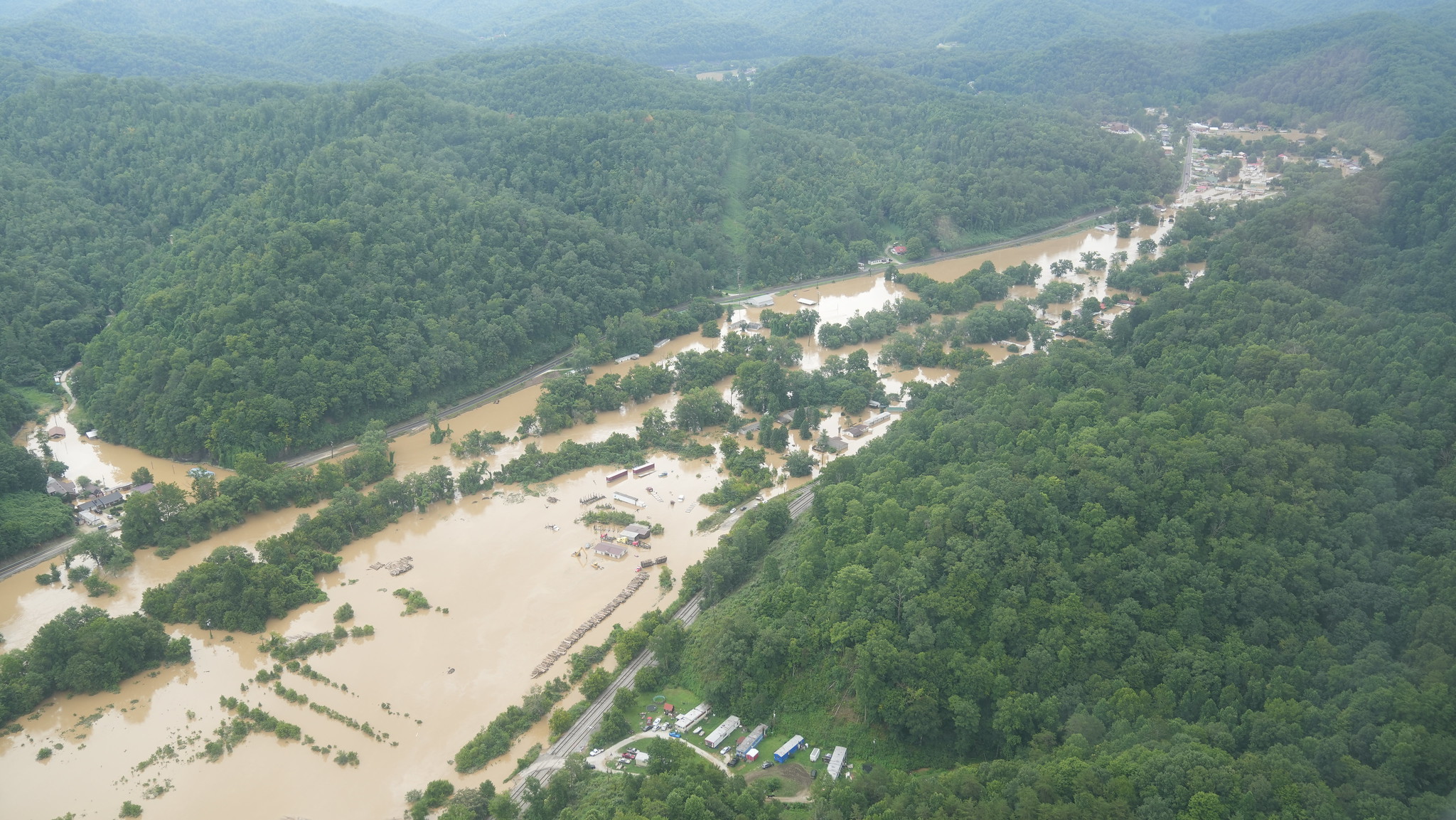
    ky floodsHeavy flooding is seen in eastern Kentucky this weekend. State of Kentucky/Office of Gov. Andy Beshear

    Another round of severe flooding hits the Southern Appalachian region

    UPDATED: The death toll from last week’s unprecedented flooding in Kentucky reached at least 29, as some areas contended with additional flooding over the weekend. Fifteen of those, including four children, died in Knott County, which is about 100 miles north of Kingsport.

    Water service to nearly 67,000 connections has been affected, as well as 17 wastewater-treatment systems in eastern Kentucky, according to Gov. Andy Beshear’s office. 

    “We are currently experiencing one of the worst, most devastating flooding events in Kentucky’s history. The situation is dynamic and ongoing,” Beshear said in a statement.

    “What we are going to see coming out of this is massive property damage and we expect loss of life. Hundreds will lose their homes. And this will be yet another event that will take not months, but years, for our families to rebuild and recover from.”

  • Falling tree kills child in Great Smokies

    ELKMONT — A 9-year-old girl died early Wednesday after a tree fell on a tent she was occupying in Great Smoky Mountains National Park.

    The unidentified child was among a group of people camping in Elkmont Campground when the red maple, 2 feet in diameter, fell shortly after midnight and crushed the girl in her tent, according to the National Park Service.

    The girl and her family had traveled to the national park from Georgia. Her father and two siblings weren’t injured, according to the park service.

    Elkmont Campground remains open, but the family’s campsite and an adjacent campsite were temporarily closed.

  • Has the Eastern Band of Cherokee Indians lost its ‘right way’ at Exit 407?
    in News

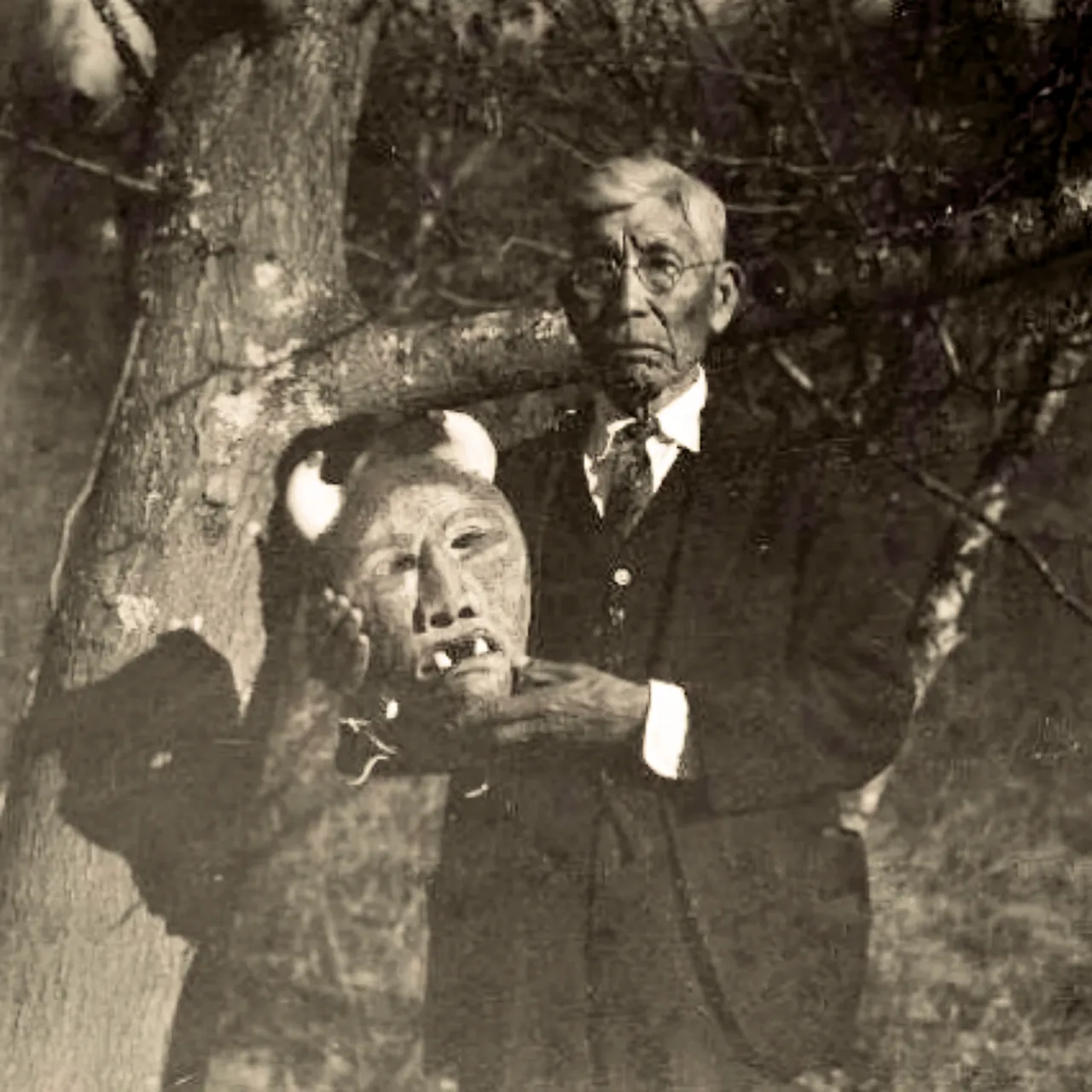
    Will West LongCherokee tribal council member, historian and ethnographer Will West Long holds a traditional Cherokee mask, which he often recreated. He was an active chronicler of Cherokee custom, heritage and tradition and died in 1947 on the Qualla Reservation in Swain County, North Carolina. WikiCommons

    As plans gel for massive new developments, has the Eastern Band lost its ancient way?

    SEVIERVILLE — The Tennessee Department of Transportation is eyeing a second interchange for exit 407 at Highway 66 along Interstate I-40 in Sevier County. 

    Exit 407, already one of the most congested interchanges in Southern Appalachia, accesses the main highway to Great Smoky Mountains National Park, the most visited national park in the nation. The park reported a record 14 million visitors in 2021.

    The exit also serves crowds flocking to Pigeon Forge and Gatlinburg.

    But the new interchange would primarily serve a 200-acre development to be called Exit 407: The Gateway to Adventure.   

    Scheduled to open spring 2023, and fully operational in 2024, it’s expected to attract 6.7 million people annually. The first phase includes a theme park and a 74,000-square-foot convenience store with 120 gas pumps, making it the world’s largest such store.

  • Torrential rains in Smokies destroy trails, roads and other infrastructure
    in News

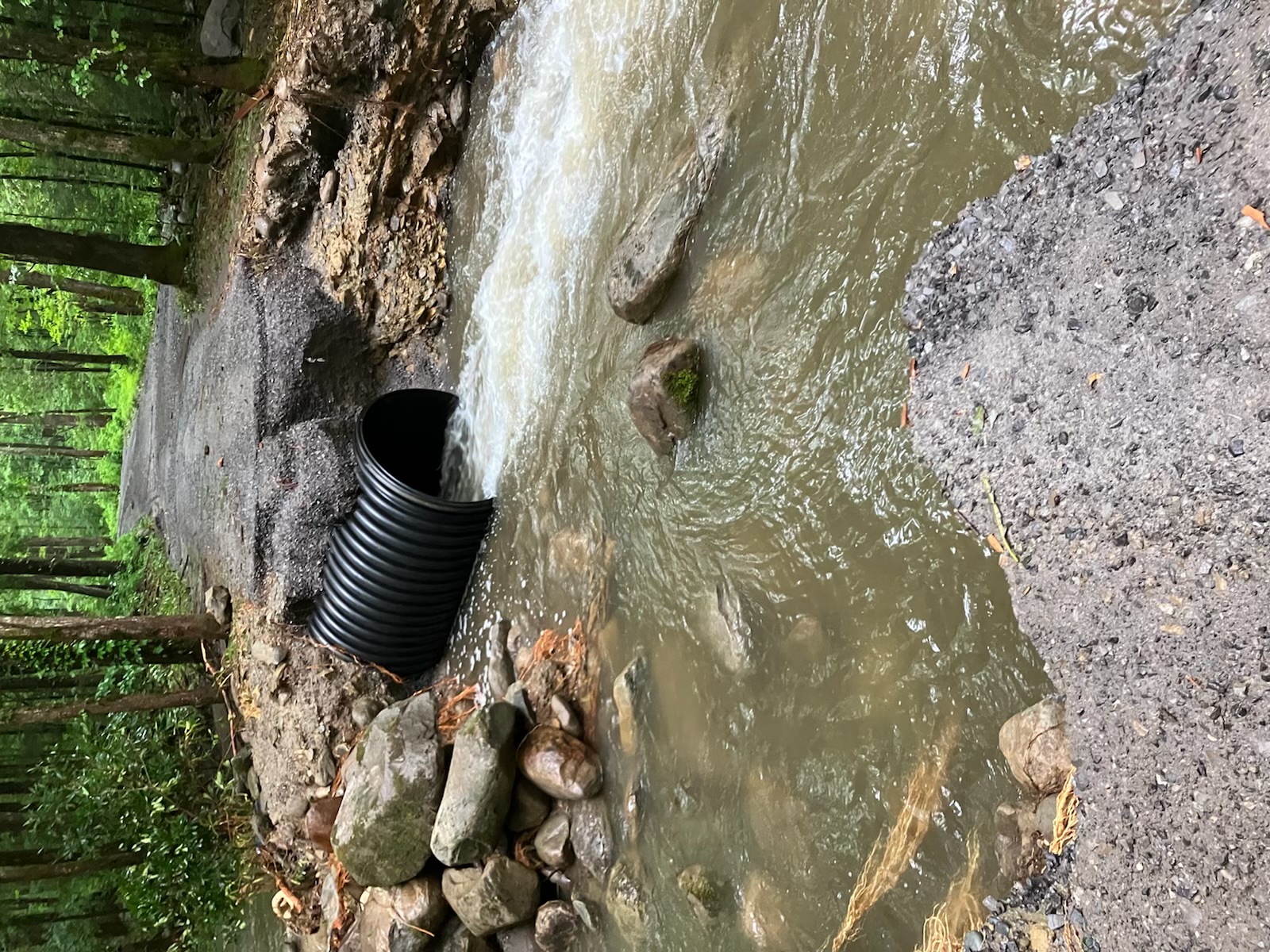
    7.13.22 Porters Creek Road washoutA washout is seen along Porters Creek Road in Great Smoky Mountains National Park following torrential rain on July 12. National Park Service

    Flooding causes Smokies damage, prompts water advisory for Sevierville 

    SEVIERVILLE — Extremely heavy rain on July 12 in the Smoky Mountains caused a cascade of problems now just coming to light.

    Sevierville and Sevier County issued a boil-water advisory early Thursday after debris flushed by Tuesday’s floodwaters clogged the city water utility’s main intake on the French Broad River, leading to pressure decreases that opened up lines to possible outside contamination.

    In Great Smoky Mountains National Park, Greenbrier campground was closed indefinitely after the swollen Middle Prong of the Little Pigeon River wiped out roads, trails and bridges in the area.

  • Clean sweep: Volunteers remove tons of trash from Smokies in largest one-day cleanup
    in News

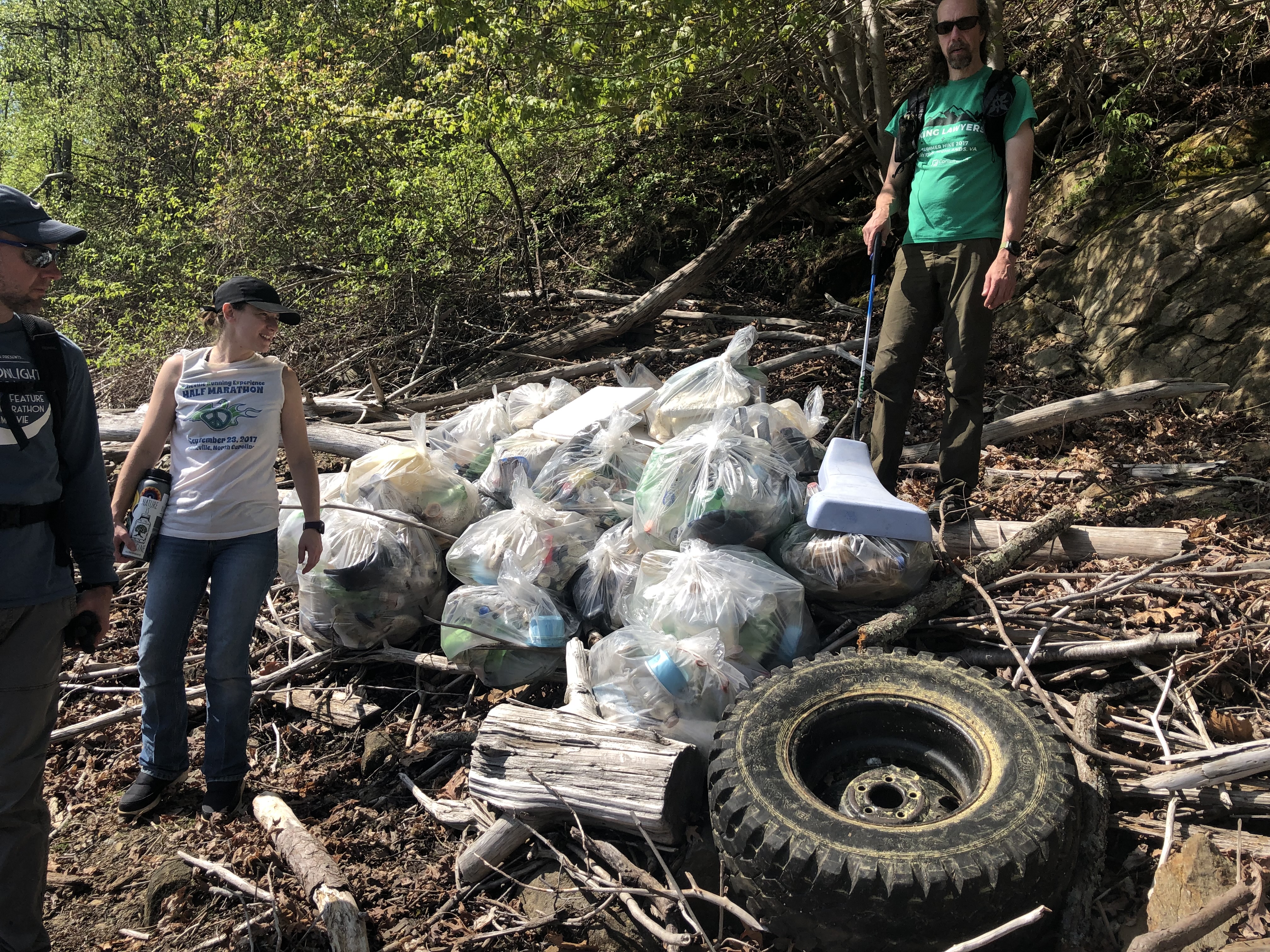
    Clean Up PileVolunteers who helped with the Save our Smokies cleanup on April 23 are shown here among their booty. Anna Lawrence/Hellbender Press

    Amid the booze bottles and toilet paper, it’s ‘incredible what we found here’

    Cleanup crews cleared garbage Earth Day weekend across Great Smoky Mountains National Park from mountain crests to the shores of Fontana Lake.

    Save Our Smokies, which organized the April 23 event, called it the largest single cleanup ever attempted in the park. Volunteers wrangled some 5,000 pounds of garbage.

    Save our Smokies Vice President Benny Braden said the organization removed 10,133 pounds of trash in all of 2021.

    “Litter is a big problem. We can clean up a location and two months later we have to be back there because it’s worse than when we started,” Braden said in an interview Saturday morning at the Tremont section of the national park. “What gives us hope is our volunteers showing up,” he said, citing their tireless dedication.

  • Blount County Commission committee rallies against Smokies parking fees ahead of superintendent Q&A
    in News

    GATLINBURG — Great Smoky Mountains National Park Superintendent Cassius Cash hosted a dgital meeting April 14 urging the implementation of a $5 daily parking fee for Smokies visitors to raise money for park maintenance, law enforcement and visitor services.

    The meeting included an overview presentation introducing the rate changes and a question and answer session. 

  • New digital maps outline precious pockets of remaining U.S. biodiversity and the threats they face
    in News

    Indiana batThe endangered Indiana bat is among threatened and endangered species in Great Smoky Mountains National Park.  U.S. Fish and Wildlife Service

    Southern Appalachians show red as a warning on new detailed biodiversity maps 

    This story was originally published by the Sylva Herald.

    SYLVA — Great Smoky Mountains National Park has long been known for its abundance of different species of flora and fauna.

    Credit old mountains in a warm, sunny and wet region with varying types of climate, soil and stone for that large number.

    “The park is almost certainly the most biodiverse national park in North America,” said Paul Super, national park science coordinator. “And certainly the most studied of any national park.”

    A group of environmental organizations recently put together a series of maps illustrating the regions with the biggest threats to their biodiversity, and the area around Jackson County and the national park showed up in the red, showing risk. One such map, based on NatureServe data, is among the most detailed maps of endangered and threatened species ever produced.

  • Parson Branch Road improvements under way in Smokies

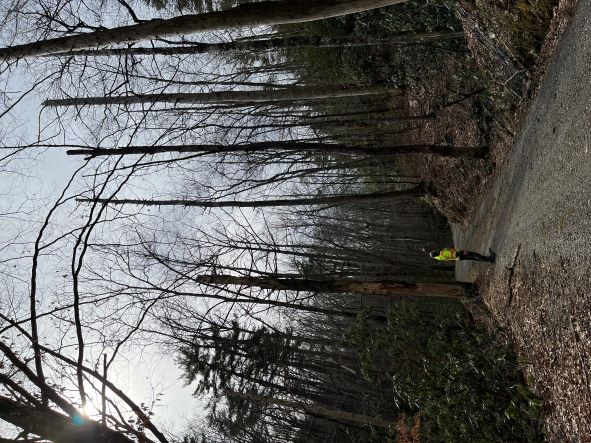
    Parson Branch RoadDead hemlocks are seen along Parson Branch Road near Cades Cove. National Park Service

    CADES COVE — Great Smoky Mountains National Park contractors began removing at least 800 dead hemlock trees along Parson Branch Road, an eight-mile primitive backcountry road that connects Cades Cove with U.S. 129 on the western edge of the park.

    The road has been closed since 2016 because of the tree hazards and damage to the road surface. The hemlocks succumbed to the hemlock woolly adelgid, an exotic insect that has wreaked havoc on hemlock stands and their accompanying ecosystems.

    The road passes several trailheads, and is used by emergency vehicles as needed. The park initially identified some 1,700 trees that posed a hazard to the adjacent roadway, but that number has naturally declined by about half over the past six years.

    Friends of Great Smoky Mountains National Park provided $100,000 for the hazard-mitigation project. That was matched with $50,000 from the federal government.

    Once the dead trees are removed, work will begin to rehabilitate the roadway and ensure its safety. 

    The roadway could reopen this summer, according to a news release from the National Park Service.