The Environmental Journal of Southern Appalachia

Smokies bear vs. hog viral video: Yep. That’s about right.

Written by

Smokies biologist: Bear vs. hog video highlights nature taking its course

This video, reportedly in or near the Smokies, made its rounds on the internet this week.
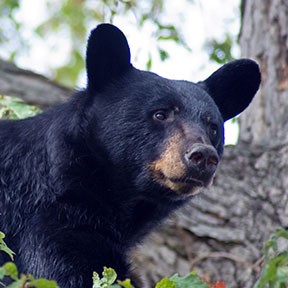
While its true location is unknown, the chief Smokies biologist said the incident would come as no surprise if it was indeed recorded in the Smokies. It’s just another wildlife showdown that generally occurs in the backcountry and goes unnoticed.
He also said its a good reminder that bears have emerged from hibernation, and are hungry and determined to find the calories they can. Even in the form of swine flesh.
Multiple people have forwarded him the video, Great Smoky Mountains National Park Supervisory Wildilife Biologist Bill Stiver said in a phone interview the afternoon of March 24. 
“As a biologist I see classic opportunistic predatory behavior,” from a black bear, Stiver said, though he said he has no true idea of the video’s provenance. “It’s just not stuff people see all the time.”
Wild hogs are considered a nuisance, invasive species who destroy native Smokies habitats and are the subject of a long-running project to reduce their numbers in the park.
Stiver surmised the hog may have recently been struck by a vehicle, and the bear took advantage of the feral swine in its weakened state. “Bears are coming out of hibernation, and they are very hungry,” he said.
Smoky Mountain black bears routinely take down elk calves and sick elk, as well as injured deer or fawns. In the spring, Stiver said, many of those Cades Cove black bears tourists flock to see are just wandering around fields looking for deer fawns.
He could only cite five instances, however, including one fatality, in which a human was injured by a bear during his 30 years stationed at the park.
Spring is the time of year that “it’s time to start thinking about bears,” he said, as they emerge from hibernation and seek sustenance. Human-bear interactions are more likely this time of year, and Smokies visitors -- and those outside the park -- need to secure their food and garbage and maintain a safe distance from the animals.
BearwiseFlyers
Guidelines and suggestions to limit human-bear interactions and protect the iconic Smokies animals can be found at bearwise.org.
Rate this item
(1 Vote)
Published in News

Related items

  • Food myths hurt Mother Earth
    Save money and our planet with tips from Cheddar News

    The average American family of four annually spends more than $2,000 on food they never eat!

    Nearly one in nine people suffer from hunger worldwide.

    Agriculture contributes to global greenhouse gas emissions, deforestation and soil degradation.

    Climate change increases crop losses.

    One third of all food produced in the world is lost or wasted.

    It’s not just the food that’s wasted.

    Consider the energy wasted to grow, process and transport it.

    That all contributes to climate change, food shortages and to the rising costs of food, energy and health care.

    Food waste stresses our environment, humanity and the economy.

    — EarthSolidarity™

  • Thinking Globally: Many places suffer even worse inflation!
    in News

    MOTHER EARTH — Scarcity of food, lack of safety nets and paucity of solidarity lead to famine. 12-minute video raises awareness of how global crises combine with intricate national and international issues to precipitate local predicament.

  • Smokies rangers kill bear after it hurts Elkmont campers while seeking food

    6-minute video about what to do if you see a black bear

    Smokies officials say euthanized bear was overweight and seeking human food

    GATLINBURG — Great Smoky Mountains National Park wildlife biologists and park rangers responded to Elkmont Campground on Sunday (June 12) after a peculiarly large black bear injured a toddler and her mother sleeping in a tent.

    Wildlife biologists captured the responsible bear, and it was euthanized Monday, June 13, according to a news release from the park service.

    “The bear weighed approximately 350 pounds, which is not standard for this time of year, suggesting the bear had previous and likely consistent access to non-natural food sources,” said Lisa McInnis, resource management chief.

  • Wild animals just aren’t that into you. Give them space or suffer the consequences.

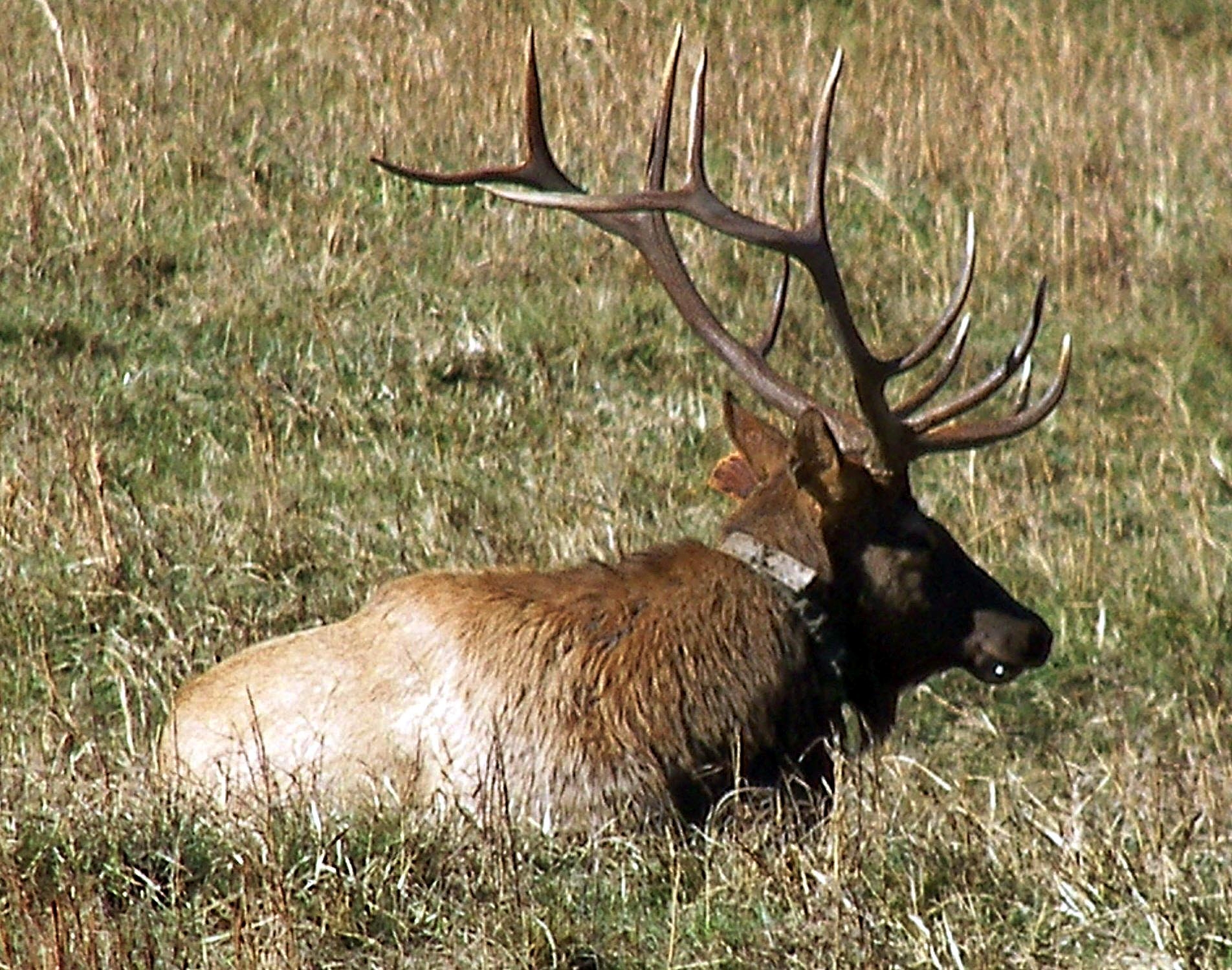
    284114AC 1DD8 B71C 0722E2E4CA635D1FOriginalA radio-collared bull elk is seen at rest in Cataloochee Valley.  Great Smoky Mountains National Park

    Please don’t feed or get attacked by the animals

    This story was originally published by The Conversation.

    Millions of Americans enjoy observing and photographing wildlife near their homes or on trips. But when people get too close to wild animals, they risk serious injury or even death. It happens regularly, despite the threat of jail time and thousands of dollars in fines.

    These four articles from The Conversation’s archive offer insights into how wild animals view humans and how our presence affects nearby animals and birds — plus a scientist’s perspective on what’s wrong with wildlife selfies. 

  • Bear Brawl


  • Mountain bears in crosshairs of NC sanctuary management plan

    Black Bear Mike Carraway TN4North Carolina Wildlife Resources Commission

    Smoky Mountain News: WNC bear-management plan raises some hackles

    State wildlife officials in North Carolina are proposing a rule change that would allow hunters to kill black bears in areas that are currently off-limits to “harvesting” of the animals.

    The North Carolina Wildlife Resources Commission cites the population boom of the bruins in its consideration of opening up permit hunting in sanctuaries such as Panthertown, Standing Indian and Pisgah.

    The proposal is among changes to state wildlife law suggested by the commission for 2022-2023 hunting seasons.

    “Allowing hunting in additional sanctuaries will help control the growing population as increased human development reduces hunter access outside the sanctuaries, the Wildlife Commission says, and it will also cut down on human-bear conflicts in those areas,” according to reporting from Holly Kays of Smoky Mountain News.

    An outline and rationale for the bear sanctuary hunting rule is available on the North Carolina Wildlife Resource Commission website.

  • You are invited to Friday’s Great Smokies African American Experience Project Townhall meeting
    The University of North Carolina Asheville will host a town hall at 2 p.m. Friday Oct. 22 for a robust discussion about the role of African-Americans in Southern Appalachian history, with a focus on the region that became Great Smoky Mountains National Park.
    “The National Park Service’s Antoine Fletcher will be leading this event and has been compiling oral histories in order to document and share the untold stories of African Americans in and outside the Smoky Mountains. You are invited—and encouraged—to share information about this event, especially with elders, leaders, story-tellers, activists, and the bon vivants in your local African American community. The African American Experience project is seeking their knowledge, and yours!” according to a UNC Asheville description of the event.
    Fletcher has researched the role of early African-Americans in the Great Smoky Mountains dating to the 1540s.
    “Research topics in this framework include slavery, the American Civil War, social dynamics, laws and policies, careers, recreation, and oral histories. These, as yet, untold stories will be compiled to educate park visitors understand the vital, but not well known, history of African Americans throughout Appalachia,” according to UNCA.
    Part of Friday’s program is geared toward exchanging contacts among those who have relevant historical knowledge of Blacks in Appalachia or might wish to record oral histories related to themselves or family members.
    The town hall is the last such community information session planned for this phase of the the National Park Service’s “African-American Experience Project.” All the information gathered will be distilled into programming for visitors to Great Smoky Mountains and other national parks.
    It is sponsored by UNCA’s Africana Studies Program, Community Engagement Office and Department of History.
  • Black bear killed man whose body was found by Hazel Creek in Great Smoky Mountains National Park

    Rangers shot and killed bear eating body at campsite 82

    (This story has been updated)

    A black bear killed a man whose body was found by backpackers at a Hazel Creek campsite in September 2020.

    Patrick Madura died “due to trauma caused by a bear,” according to a news release from Great Smoky Mountains National Park.

    He would be only the second park visitor known to be killed in a bear attack in the 80-year history of the national park.

    Glenda Bradley was killed in a predatory bear attack on the Little River trail in 2000. Two bears were shot and killed by park rangers after a Boy Scout troop came upon the incident. The animals, a sow and yearling, were eating and attempting to cache Bradley’s body when they were killed. 

    Madura’s body was found by backpackers arriving at campsite 82 on Sept. 11, 2020. They first noticed an empty tent, then saw a bear “scavenging” the victim’s body across the creek. 

    Rangers responding to the subsequent emergency call found a bear eating Madura’s body and shot and killed the animal. Hazel Creek Trail and the campsite were temporarily closed following the incident.

    Madura, 43, of Elgin, Illinois was hiking and camping alone when he was attacked, according to the park service. No additional information about food storage issues or what may have precipitated the attack was immediately available from the park service.

    Madura was an accomplished outdoorsman with a masters in biology and was trained as an EMT and firefighter, according to local reporting from the Chicago area following his death last year.  

    Fatal attacks are extremely rare, given the number of visitors to the national park, the most visited in the country. Nonfatal attacks, while still rare, are more common. A bear attacked a teenager as she slept in a hammock near the Maddron Bald trail in the Cosby area earlier this year; she was airlifted from the park with serious injuries but was expected to make a full recovery. The bear involved in that attack was euthanized as well.

    Rangers urge visitors to be Bearwise, but regularly encounter improper interactions between bears and visitors, such as an incident this summer in which a woman was cited for feeding a bear peanut butter from a vehicle in Cades Cove.

  • Limbless bears break hearts but donuts may be worse than leg traps

    83644084 179844060054345 4751008813274890240 n 705x550Courtesy of Help Asheville Bears 

    By any other name: From poaching to cars and traps, black bears face diverse human threats in Southern Appalachians 

    Activists and state agencies agree bear poaching is an age-old problem in the mountains of Tennessee and North Carolina, but they diverge when it comes to some key aspects of the crime and its prevention.

    The non-profit Help Asheville Bears is raising awareness of threats to bears on both sides of the state lines and getting coverage on local media outlets like this piece on Knoxville-based WBIR. Its message has also appeared on a billboard in Sevierville. The Arden, N.C.-based group offers a tip line, rewards and also supports what could be described as a self-styled anti-poaching militia.

    “Bear poaching is a big deal. It happens anywhere where there are bears,” said Jody Williams, the founder of Help Asheville Bears, which is responding to what its members see as an increasing threat to the very symbol of wild Southern Appalachia. HAB is especially concerned about trapping that Williams said has left limbless bears limping throughout the mountains.

    The group is demanding Amazon quit selling leg-snare traps with a petition on Change.org that has gotten more than 220,000 signatures.

    A video at the top of the page shows images and footage of bears with missing limbs as sad flute music plays.

    “We currently follow 12 cases of bears missing limbs in a 25 mile radius of the Asheville area and 15 missing limbs within 90 miles of Asheville,” according to the Help Asheville Bears website.

    “Help Asheville Bears intends to help prevent illegal bear trapping in the South Asheville and Arden areas, where there has been much photographic evidence of illegal trapping, especially bears missing limbs.”

  • A nursing bear and her cubs share an intimate Great Smokies moment

    A window on ursine motherhood in Cades Cove

    As I was descending a wooded hillside in the heart of Cades Cove on a June afternoon, a motionless black bulk caught my eye off to my left.

    I turned my attention there, regarded the scene for a few moments, and realized the sprawling blur was a large sleeping bear. A few moments more of inspection revealed three cubs snoozing in the branches overhead.