
Displaying items by tag: big south fork
Big South Fork closes 60-acre donut hole
 National Park Service
Land conservancy and estate of long-ago German immigrant expands protection of North White Oak Creek
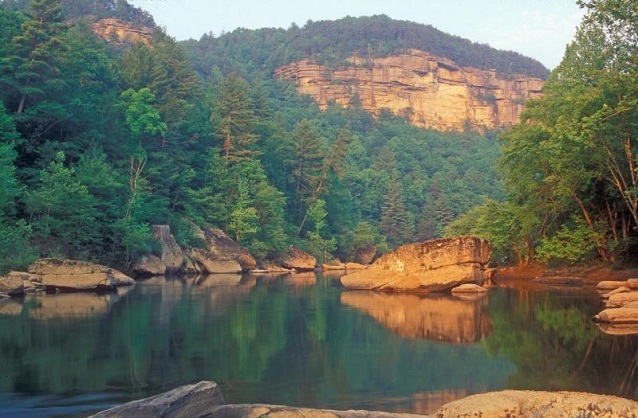
Big South Fork National River and Recreation Area has grown inward by 60 acres.
The National Park Service announced this week that it officially acquired the donated acreage along North White Oak Creek within Big South Fork. It had previously been in private ownership.
The Allardt Land Company and the estate of Bruno Gernt (a remarkable individual in his own right) originally donated the approximately 60 acres within the boundaries of Big South Fork to TennGreen Land Conservancy. In December 2021, TennGreen transferred the property to the National Park Service.
“This tract provides essential protection for the south side of North White Oak Creek, a popular area in the southwest portion of the (125,000-acre park that straddles the Tennessee and Kentucky state lines in the Cumberlands).
“Park visitors will now forever be able to enjoy peaceful views across the creek of an oak-hickory and northern hardwood forest canopy,” Superintendent Niki Stephanie Nicholas said in a press release.
“We truly appreciate the Allardt Land Company, Estate of Bruno Gernt, and TennGreen for their generosity.”
Despite Covid slowdowns and shutdowns, Smokies draws $1B in 2020 revenue to neighboring communities
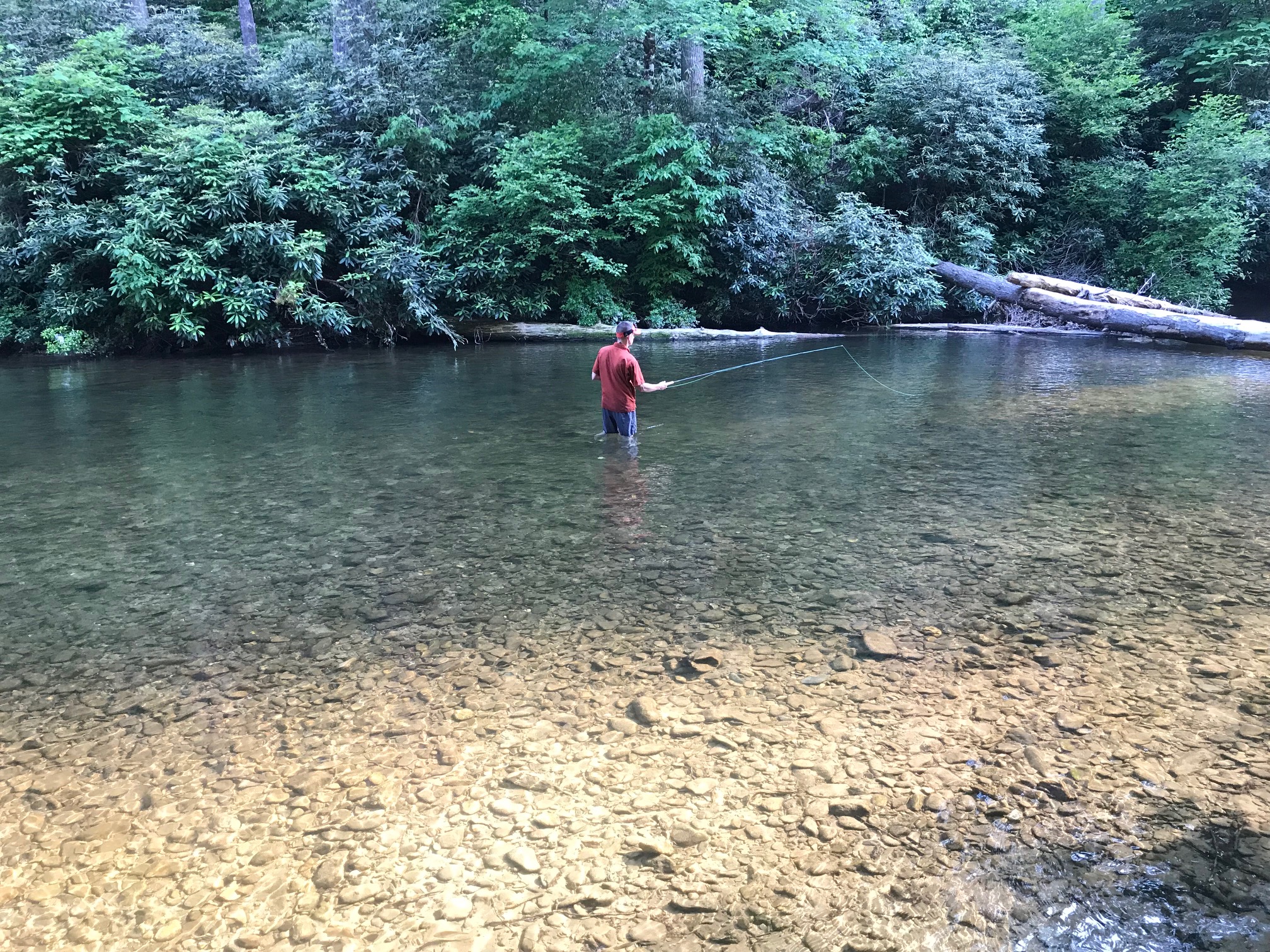 A Knoxville man tries his hand at fly fishing in Abrams Creek during a family camping trip on the southwestern side of Great Smoky Mountains National Park. Thomas Fraser/Hellbender Press
Green begets green in Smokies region; Big South Fork and Cumberland Gap also economic players
Recent federal analysis of spending by national park visitors is a testament to the economic benefits of environmental protection, scientific study and outdoor recreation.
The 12.1 million visitors to Great Smoky Mountains National Park in 2020 spent $1.024 billion in neighboring communities in both Tennessee and North Carolina, according to a study released this week by the National Park Service. Similar, localized releases were distributed into national park communities across the country.
Closer to home, that number represents the estimated visitor money spent in areas that include traditional “gateway” communities, such as Townsend and Gatlinburg, and Cherokee and Bryson City in North Carolina. Regionally, it’s at least a $5 million increase since 2012. Travel problems, housing and employee shortages, overdevelopment and environmental destruction are of course persistent in some of those areas.
- great smoky mountains economic impact
- great smoky mountains national park visitation
- conservation area economic impact
- big south fork
- big south fork national river and recreation area
- economic benefit of wild area
- obed
- cumberland gap
- federal park visitation and spending
- national park service units in tennessee
- economic impact of national parks in tennessee