
Displaying items by tag: great smoky mountains national park visitation
Parking fees set for Smokies; camping costs will increase
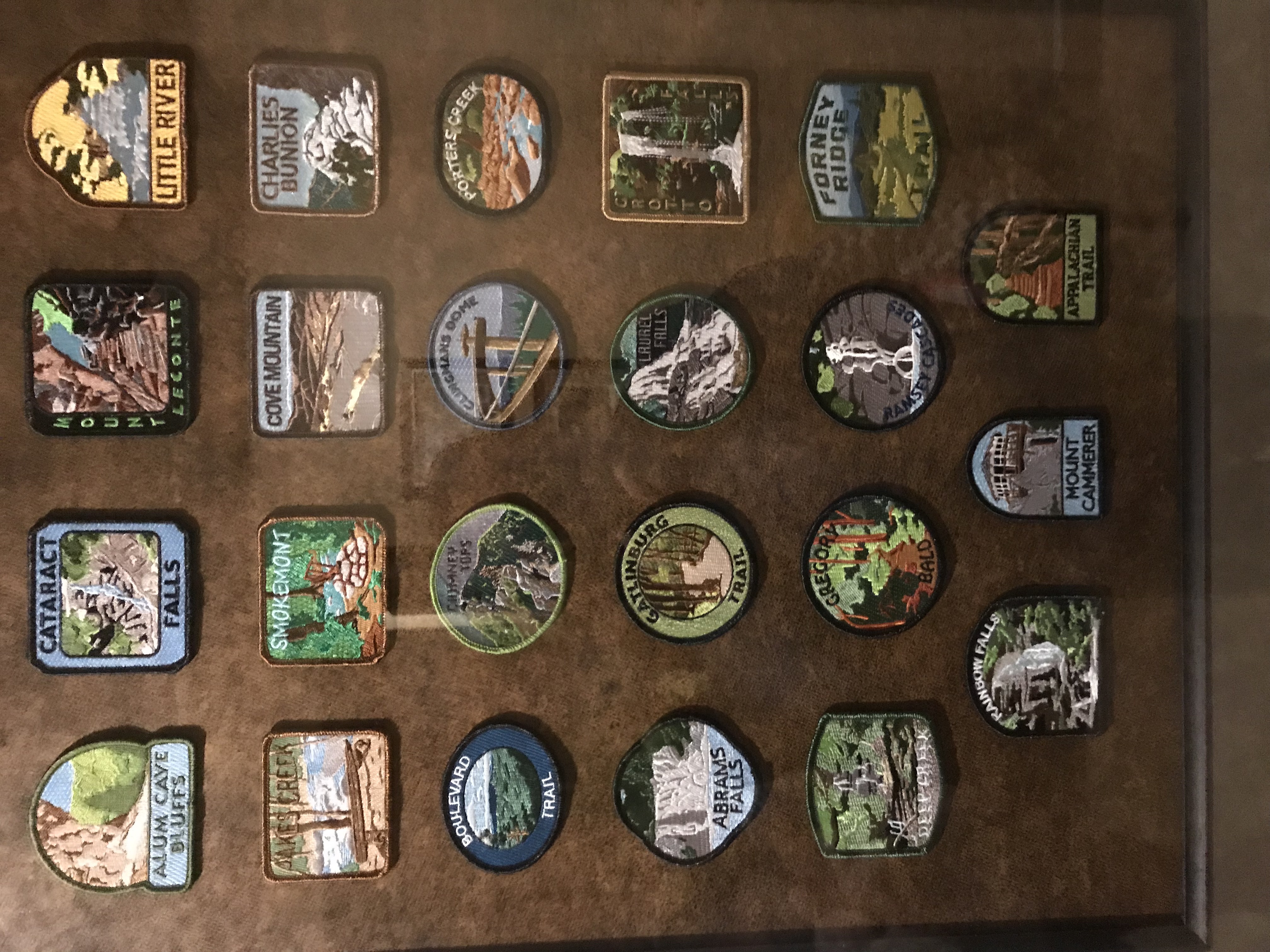 You might have to pay to park at some of these trailheads in Great Smoky Mountains National Park starting next year. These old trail badges are displayed in Fontana Village on the south side of the Smokies. Thomas Fraser/Hellbender Press
Smokies parking fees will generate $7 million in revenue for park infrastructure
GATLINBURG — Getting outside just got more expensive.
Great Smoky Mountains National Park officials announced Monday the park would proceed with plans for a $5/per day parking pass required of all cars staying in one spot for more than 15 minutes.
Weekly passes will be $15, and annual passes will be available for $40, according to a release from the park service. Fees will also increase $3 for backcountry and campground permits, meaning campers and backpackers will have to fork over $8 a night.
As millions flee to nature, Smokies visitation posts another record
 Hellbender Press
Park sets visitation record with 14.1 million visits in 2021
Some 14 million people visited Great Smoky Mountains National Park last year, as Americans and foreign tourists continued their flight to nature in the face of the Covid pandemic.
Here’s the news release from the National Park Service:
“Great Smoky Mountains National Park experienced the busiest year on record with 14,137,812 visits. Visitation exceeded the 2019 record by 1.5 million visits and 2020 visitation by more than 2 million visits. The park has increasingly become a year-round destination with eight monthly visitation records set during winter and spring months in 2021.”
Pellissippi Parkway punches: Vocal opposition slams highway extension plans at public meeting
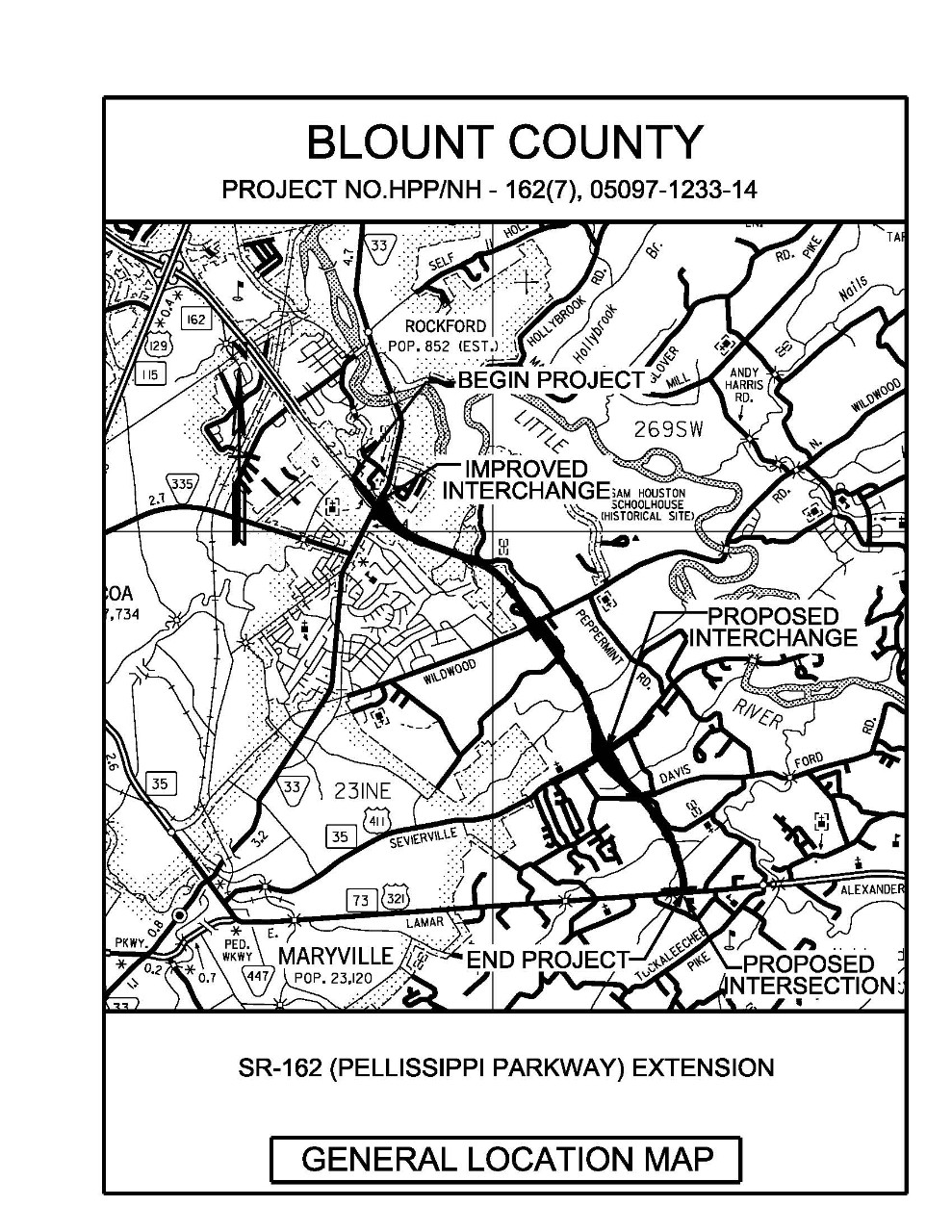
UPDATED: Opponents of Pellissippi Parkway Extension hammer bureaucrats, unelected economic development officials at public meeting
(This story has been updated with this link to the Tennessee Department of Transportation recording of the Sept. 21 public hearing on the proposed Pellissippi Parkway Extension project).
Raw emotions spilled over at a Tennessee Department of Transportation public meeting to collect citizen input on a nearly 5-mile, four-lane highway that would carve through creeks, forests, farms and homes in rural Blount County in the foothills of the Great Smoky Mountains.
The meeting was held Tuesday evening at Heritage High School, not far from where the proposed Pellissippi Parkway Extension (which would originate at the terminus of the current parkway near Rockford) would abruptly bisect East Lamar Alexander Parkway, just to the west of Walland Gap and the Little River Gorge.
As Hellbender Press has reported on the Pellissippi extension, many people aren’t happy with the proposition of spending at least $100 million on a 4.5-mile stretch of highway, and people are uncomfortable with both the use of eminent domain to force them from their homes or seize portions of their property and the unavoidable and long-lasting environmental and cultural impact such a project would have on the rural areas of Blount County. The projected cost of the project has vacillated by millions of dollars.
East Lamar Alexander Parkway (U.S. 321) terminates in Townsend; along the way are turnoffs to many valuable pieces of real estate and immensely successful high-end hospitality venues, such as Blackberry Farm. Hellbender Press reached out to Blackberry Farm through its Nashville-based public relations team about the nearby highway project and was simply told “we have no comment.”
- pellissippi extension right of way
- pellissippi parkway extension
- pellissippi public hearing
- little river
- threats to little river
- little river endangered fish
- rockford
- east lamar alexander parkway
- opposed to pellissippi parkway extension
- citizens against the pellissippi parkway extension
- cappe
- townsend
- rural blount county
- tdot public hearing on pellissippi parkway extension
- walland
- little river gorge
- great smoky mountains national park
- great smoky mountains national park visitation
- us 321 to townsend
- video of pellissippi parkway extension hearing
Despite Covid slowdowns and shutdowns, Smokies draws $1B in 2020 revenue to neighboring communities
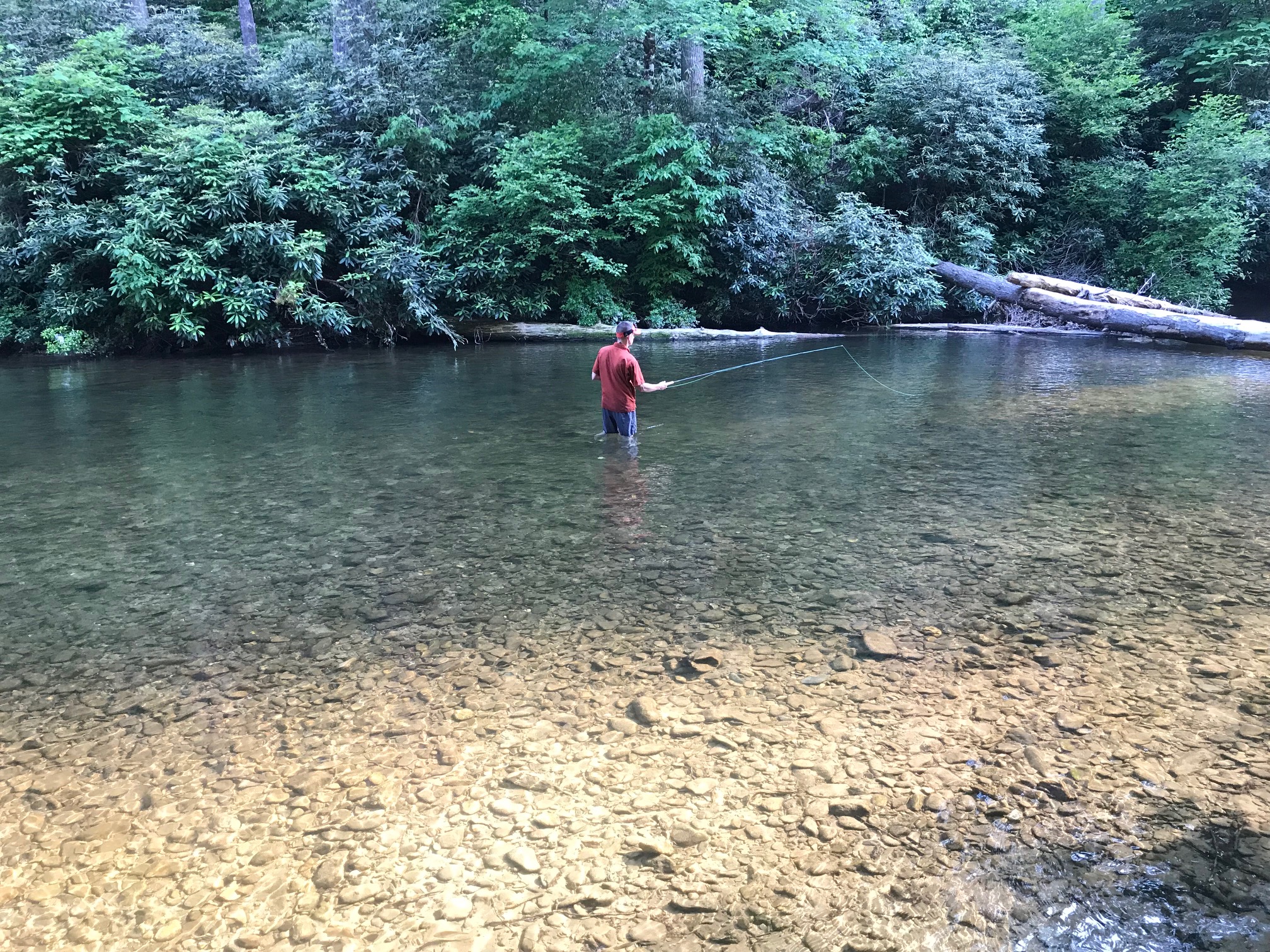 A Knoxville man tries his hand at fly fishing in Abrams Creek during a family camping trip on the southwestern side of Great Smoky Mountains National Park. Thomas Fraser/Hellbender Press
Green begets green in Smokies region; Big South Fork and Cumberland Gap also economic players
Recent federal analysis of spending by national park visitors is a testament to the economic benefits of environmental protection, scientific study and outdoor recreation.
The 12.1 million visitors to Great Smoky Mountains National Park in 2020 spent $1.024 billion in neighboring communities in both Tennessee and North Carolina, according to a study released this week by the National Park Service. Similar, localized releases were distributed into national park communities across the country.
Closer to home, that number represents the estimated visitor money spent in areas that include traditional “gateway” communities, such as Townsend and Gatlinburg, and Cherokee and Bryson City in North Carolina. Regionally, it’s at least a $5 million increase since 2012. Travel problems, housing and employee shortages, overdevelopment and environmental destruction are of course persistent in some of those areas.
- great smoky mountains economic impact
- great smoky mountains national park visitation
- conservation area economic impact
- big south fork
- big south fork national river and recreation area
- economic benefit of wild area
- obed
- cumberland gap
- federal park visitation and spending
- national park service units in tennessee
- economic impact of national parks in tennessee