The Environmental Journal of Southern Appalachia

University of Tennessee climate panel: Scientists say don’t despair. Yet.

Written by

bwhi1apicaaamlo.jpg large

Scientists discuss climate challenges and solutions during 2021 One Health Day

As climate experts and scientists huddled in Glasgow in an international effort to stem potentially disastrous global environmental changes, a panel of doctors representing multiple disciplines at the University of Tennessee and beyond offered their assessments of climate challenges and solutions.

Their take on climate change? We have problems, but we also have solutions. Hopelessness will drive you crazy. Stay healthy, stay informed and do your part to mitigate the long-term environmental consequences of a changing Earth. 

Above all: Don’t despair and don’t lose hope.

The panel, held Nov. 3 at the UT Student Union and presented by the UT One Health Initiative, consisted of the following experts:

— Dr. Gus Engman, Department of Forestry, Wildlife, and Fisheries, University of Tennessee Institute of Agriculture 

— Dr. Kate Evans, Computational Sciences and Engineering Division, Oak Ridge National Laboratory

— Dr. Joshua Fu, Department of Civil and Environmental Engineering, University of Tennesse

— Dr. Sindhu Jagadamma, Biosystems Engineering and Soil Science, University of Tennessee Institute of Agriculture

— Dr. Kristina Kintziger, Department of Public Health, University of Tennessee

Answers have been edited for clarity and brevity and don’t include the full response. Questions were submitted ahead of time or during the panel discussion. 

What do you see as the largest threats of climate change, especially related to your individual research interests?

Engman: Changing precipitation patterns are something I think about a lot.

Pretty much all the rivers in the world are expected to have changes to their flow regime.

These changes in droughts and floods are a really large issue.

I think a lot about aquatic communities. If we are scarce on drinking water, we are always going to prioritize people having that water, over the fish or the bugs in the streams. 

There are all kinds of impacts to life histories and interactions with communities in streams. 

When animals are stressed because of these changes in precipitation patterns and changes in flow patterns, they might become more susceptible to other stressors, like disease. 

Changes in algal community composition can impact the entire water quality of a stream, and that might happen because of these changes in precipitation patterns.

These places that are experiencing these extreme droughts really worry me. The Colorado River already doesn’t even flow all the way to the ocean anymore. That’s a huge change. Because we take up so much water for agriculture. 

If a stream runs out of water, it’s not a stream anymore.

Evans: From a meteorological perspective, the biggest event that hurts people's health is actually heat waves. A lot of press goes to tornadoes and hurricanes and storms but in fact these large domes of hot air (are deadly), which happen because of changes in the large-scale weather patterns.

The greenhouse effect insulates the earth, it makes it more uniform in temperature and so that changes the flow patterns that go around the earth. That changes those big weather systems that come in and how long they stick around. 

When you talk about these long droughts, we know that’s what's we have to understand: Will they last longer, be more humid, less humid, and that has huge impacts for human health as well as the food they eat and the plants that grow. 

Kintziger: Heat also has a bigger impact on a more indirect pathway to human health. Not just heat-related illness but also cardiovascular impacts, renal impacts and even mental health impacts.

Heat is the one that keeps me up at night. We are seeing increasing temperatures globally and we also have this urban heat island affect. 

Our vulnerable populations in the cities — inner cities with lower-income housing, homeless populations — they are going to experience heat very differently than people who live in newer buildings with better cooling and infrastructure and have better capabilities for adapting to heat. 

Fu: Heat islands, especially for low-income people, who cannot pay their energy bills.

This year we had a heat wave in Europe. Last year, too. We can have more frequent heat waves. Those cause problems. 

We just published one paper this year, (projected) to 2050, middle of century, how climate change impacts urban areas (and provision of affordable utilities).

These problems will gradually spread to different communities no matter your income levels.

Jagadamma: As a soil scientist I am actually worried about the impact of climate change on agricultural sectors, globally and locally.

The increase in mean annual temperatures, and also the occurrence of more frequent and severe extreme events like drought and flood, can decrease crop production and also livestock production. 

Statistics show 64 percent of the world population depends on agriculture for a living. This negative impact can directly affect the 64 percent of population. It can also hit the other 40 percent in terms of shortage of high-quality food and an increase in food prices. 

What are the mitigation strategies that exist to prevent or slow the problems you are observing?

Jagadamma: I want to emphasize what we can do to keep (2.5 trillion) tons of carbon in the soil. 

In the past there was a lot of soil mismanagement — intensive tillage, over-application of fertilizers and other chemicals. These practices actually caused a lot of soil degradation. Because of that there were a lot of greenhouse gas emissions (that) enhanced the climate-change problems.

We can focus on soil-centric approaches to find solutions to these problems. These are natural approaches, include no tillage or reduced tillage or growing cover crops during fallow seasons.

We can also rotate several crops instead of growing one crop every year.

Another option is to replace (some) chemical fertilizers with organic sources. We can also integrate crop and livestock farming together. With all these practices we can definitely reduce greenhouse gas emissions.

Kintziger: In public health we deal more with adaptation than mitigation: How can we reduce our vulnerabilities or increase our resilience?

At the larger scale, one thing public health can do, and is doing, is focus on improving our information systems and early warning systems around climate change impacts on human health.

We are working with hospital administration datasets to understand those types of health outcomes.

We are working more closely with environmental information systems to start integrating (relevant data) into one network. We also have public-health practitioners working with National Weather Service offices to better understand what the local area thresholds are for health impacts from heat and extreme temperatures.

Engman: We as humans could be so much more efficient with our water use. Our default storage for water is an open reservoir where there’s all this evaporation. (And) we are flushing it down our toilets, literally.

Sometimes we need to not think about mitigating or resisting these changes that are happening with climate change because they are going to happen and there’s not much we can do about it to some extent.

We can facilitate some of these changes in ways we think are best for biodiversity of ecosystem function.

Evans: I’m personally of the strategy we should develop technologies as soon as possible to take carbon out of the atmosphere.

I think removing some of that might be our best strategy to prevent some of the things we know are coming, at least from the atmosphere standpoint.

Fu: We are warming because of carbon dioxide emissions hanging there; 400 ppm carbon dioxide concentrations.

How to slow down climate change? Carbon recycling, recovery and reuse. 

All the countries that have forests, don’t touch it, don’t minimize forests in their own countries.

We need to work on the parallels that are working at the same time. 

Some predictions… If we still keep using fossil fuels we are going to 800 ppm of carbon dioxide concentration. Even 1,000.

What can individuals do to mitigate the effects of climate change? What strategies would you use to inspire individuals to take action around climate change?

(Long pause)

Jagadamma: We can do something maybe as environmental activists, to varying degrees, to address these environmental concerns. 

Engman: Individual solutions are great. But people need to start looking a little bigger. Don’t know if through voting or petitions but we need to demand of leaders broader change.

There’s a lot of changes that could’ve been happening, there are lots of people resistant to those changes happening; find a way to push back against those.

You can spend a lot of time focusing on what you are doing as an individual, but you can actually put that energy into pushing for broader changes.

Evans: One thing you can do is make sure your educational system is teaching everybody. Climate change is something we can understand, and it’s not trivial. Explain both the issues and solutions. People don’t just want to hear the earth is going to destroy itself, (they want to hear) there’s a way to fix it. I think that’s the key.

Kintziger: Some things we can do as individuals is just improve our overall health because it’s our underlying conditions that sometimes make us more vulnerable to the impacts of climate change. 

Improving our social networks to increase our mental health resiliency can also benefit us after the effects of climate-related disaster. The mental health impacts are pretty profound. Having a social network, a social support system, can be very helpful as well.

Fu: The United Nations has sustainable development goals; they have very good guidelines. 

The University of Tennessee is now utilizing that and promoting it to our students. 

I have a presentation in high schools, and students are very interested in how they can protect the environment. 

Then they can tell their parents, 'you need to do that.' This is one strategy, to go to these younger people, to start.

We need to (reach) those young kids, when they grow up they carry the mindset.

These are cultural things. It’s not a one-day or overnight solution. But I believe we will get there.

Do you feel largely or hopeless about adapting to climate change? How would you help people who feel helpless?

Fu: I still have high hopes. 

As a nation, (U.S.) CO2 emissions are going down. Slowly,but the trend is going down. 

That means a lot of industries want to reduce carbon dioxide emissions in their manufacturing process. 

I still have high hope we will gradually get there.

Jagadamma: We have more scientific knowledge now than before about the seriousness of the problem. We also have potential solutions and support for actions.

We have soil-centric or climate-smart options available. Most of our farming communities are adopting one or both.

Globally, if producers adopt these better solid management practices they can mitigate 8 million tons of carbon a year.

Stay hopeful, and be informed about the knowledge we are gathering and also do what you can to educate the people around to the extent possible, and try to reduce the carbon footprint, like carpooling or things like that.

Kintziger: Our leaders need to be focused on this change, to modify our instrastructure. Seems that pendulum swings every couple of years.

I’m feeling a little less hopeful right now because of the general public’s pushback against science through this pandemic.

Even though our science is improving, I don’t know if they are listening, in general.

I do feel our younger generation are more prone to activism, and with respect to climate change that seems to be a big focus, that does give me hope. So I don’t want to end on a negative note.

Engman: I consider myself an optimist generally. I study ecosystems and animal communities…they are surprisingly resilient. Life finds a way. 

The worst thing you can think is there’s no value left anymore because it’s a little different.

Hopefully we can maintain some of the things we have but even if things are a little different in the future they are going to be very valuable to us. 

Ecosystems are still going to function and exist.

I think start petitions, write your senator or representative or (support) a lawsuit, whatever you need to do. I think we need to push our leaders to stand up on these sort of things.

 Climate Panel


Rate this item
(1 Vote)
Published in News, Event Archive

Related items

  • 5 big threats to the world’s rivers
    in News

    fresh water Conservation FisheriesA biologist with Conservation Fisheries surveys a stretch of Little River near Walland, Tennessee to determine fish viability and identify rare species for transplantation. Thomas Fraser/Hellbender Press

    Human activities have imperiled our waterways — along with a third of freshwater fish and other aquatic species

    This story was originally published by The Revelator.

    If we needed more motivation to save our ailing rivers, it could come with the findings of a recent study that determined the biodiversity crisis is most acute in freshwater ecosystems, which thread the Southern landscape like crucial veins and arteries.

    Rivers, lakes and inland wetlands cover 1 percent of the Earth but provide homes for 10 percent of all its species, including one-third of all vertebrates. And many of those species are imperiled — some 27 percent of the nearly 30,000 freshwater species so far assessed by the IUCN Red List. This includes nearly one-third of all freshwater fish.

    How did things get so bad? For some species it’s a single action — like building a dam. But for most, it’s a confluence of factors — an accumulation of harm — that builds for years or decades.

  • Austria to sue the European Union if it labels nuclear and gas power plants as “green infrastructure”

    VIENNA — Leonore Gewessler, Austria’s energy and climate minister announced that she would take the case to the European Court of Justice if the union’s executive proceeds with plans to include nuclear and natural gas in the EU taxonomy of sustainable finance.

    About gas, Gewessler said that it releases unconscionable amounts of greenhouse gases. “Just because something is less bad than coal doesn’t make it good or sustainable.”

    Regarding nuclear energy she said it has unpredictably high risks, referring to Chernobyl and Fukushima. She also mentioned as great concerns, the safe disposal of spent nuclear fuel and lack of a global solution for its final storage.

    Since the COP26 climate summit in Glasgow, Austria is aligned with Germany, Luxembourg, Denmark and Portugal in opposing further investments in nuclear power.

    However, France, Finland and ten other EU countries have been pushing for nuclear expansion. They still claim it is a low-carbon technology and trust that the radioactive waste problem can be solved.

    Luxemburg, Germany and Spain stated they will join Austria before the court, if necessary. Svenja Schulze, Gewesser’s German counterpart said of nuclear power, “it is too risky, it is too slow, it is too expensive!"

  • Brutal Hurricane Ian was just one of budding global weather emergencies at the time
    in News

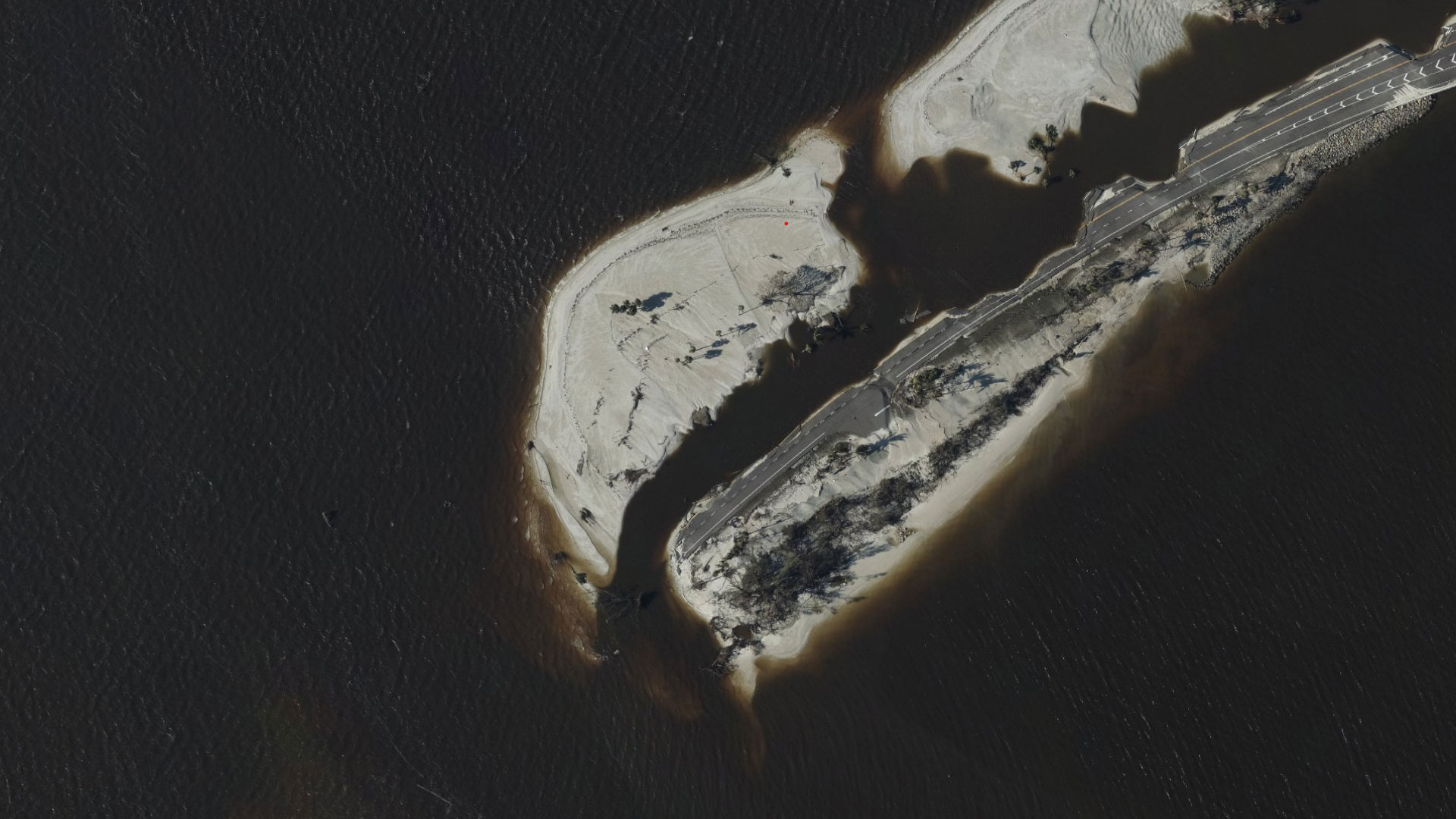
    overflight storm ianCatastrophic damage to the Sanibel Island Causeway is shown in this NOAA overflight after Hurricane Ian absolutely demolished most of Fort Myers Beach, Florida.

    Evidence mounts that climate change is creating monster storms as death toll climbs in Ian’s wake

    This story was originally published by The Conversation.

    FORT MYERS BEACH — When Hurricane Ian hit Florida and killed at least 100 people, it was one of the United States’s most powerful hurricanes on record, and it followed a two-week string of massive, devastating storms around the world.

    A few days earlier in the Philippines, Typhoon Noru gave new meaning to rapid intensification when it blew up from a tropical storm with 50 mph winds to a Category 5 monster with 155 mph winds the next day. Hurricane Fiona flooded Puerto Rico, then became Canada’s most intense storm on record. Typhoon Merbok gained strength over a warm Pacific Ocean and tore up over 1,000 miles of the Alaska coast.

  • APIEL, the 13th Appalachian Public Interest and Environmental Law conference is set for Saturday, October 1
    in News

    ELOlogoELO is a student-run organization at the University of Tennessee College of Law. It is not directly affiliated with the University of Tennesse or any particular non-profit organization. It is dedicated to providing students and attorneys with learning opportunities and leadership experiences.

    Networking environmental leaders across Appalachia and the State of Tennessee

    Knoxville — APIEL is a relative newcomer to the small circle of inclusive U.S. public interest environmental law conferences. Because it is organized by law school student volunteers, APIEL is affordable to attend for students as well as citizens from all walks of life.

    APIEL is much loved and considered essential by regional nonprofit leaders and activists. It is also highly acclaimed by seasoned environmental lawyers. With just 12 conferences under its belt, APIEL has risen to rank among leading peer conferences with a much longer track record, such as the  Public Interest Environmental Law Conference (PIELC) at the University of Oregon School of Law (39 events), the Red Clay Conference at the University of Georgia School of Law (34) and the Public Interest Environmental Conference (PIEC) at the University of Florida’s Levin College of Law (28).

  • Enviros to TVA: Retire the fossil-fuel pacifier
    in News

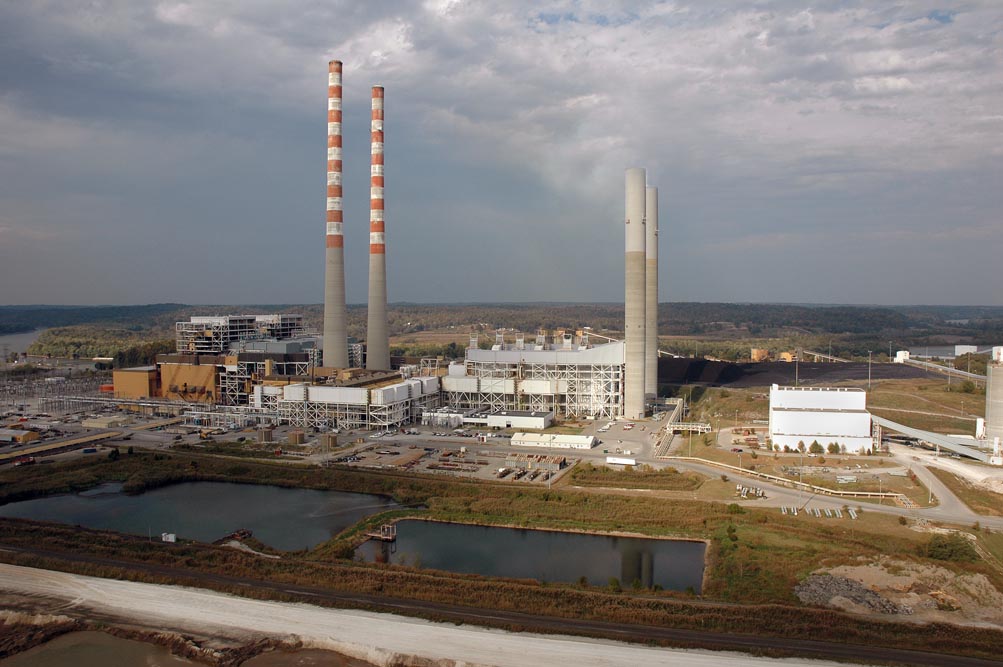
    Cumberland FPTVA’s Cumberland Fossil Plant near Clarksville is the subject of a suit filed by environmental groups, including Appalachian Voices and Southern Environmental Law Center.  Tennessee Valley Authority

    SELC, others file suit in hopes of dissuading TVA from future fossil options

    This story was originally published by Tennessee Lookout.

    CLARKSVILLE — On behalf of the Tennessee Chapter of the Sierra Club and Appalachian Voices, the Southern Environmental Law Center asked TVA to prepare a supplemental environmental statement to address concerns with TVA’s draft environmental impact statement, which details the agency’s plans to retire the Cumberland Fossil Plant.

    The Cumberland Fossil Plant, about 22 miles southwest of Clarksville, is TVA’s largest coal-fired power station and was built between 1968 and 1973. TVA plans to retire each unit of the two-unit, coal-fired steam-generation plant separately: one unit no later than 2030, and the second unit no later than 2033. But the plant will need to be replaced, and TVA is currently considering three alternatives to fossil fuel, including natural gas and solar energy, according to its draft EIS.

    (Tennessee Valley Authority already plans to close down the Knoxville-area Bull Run fossil plant in Claxton next year).

  • There’s a whole world in the dirt beneath your feet
    in News
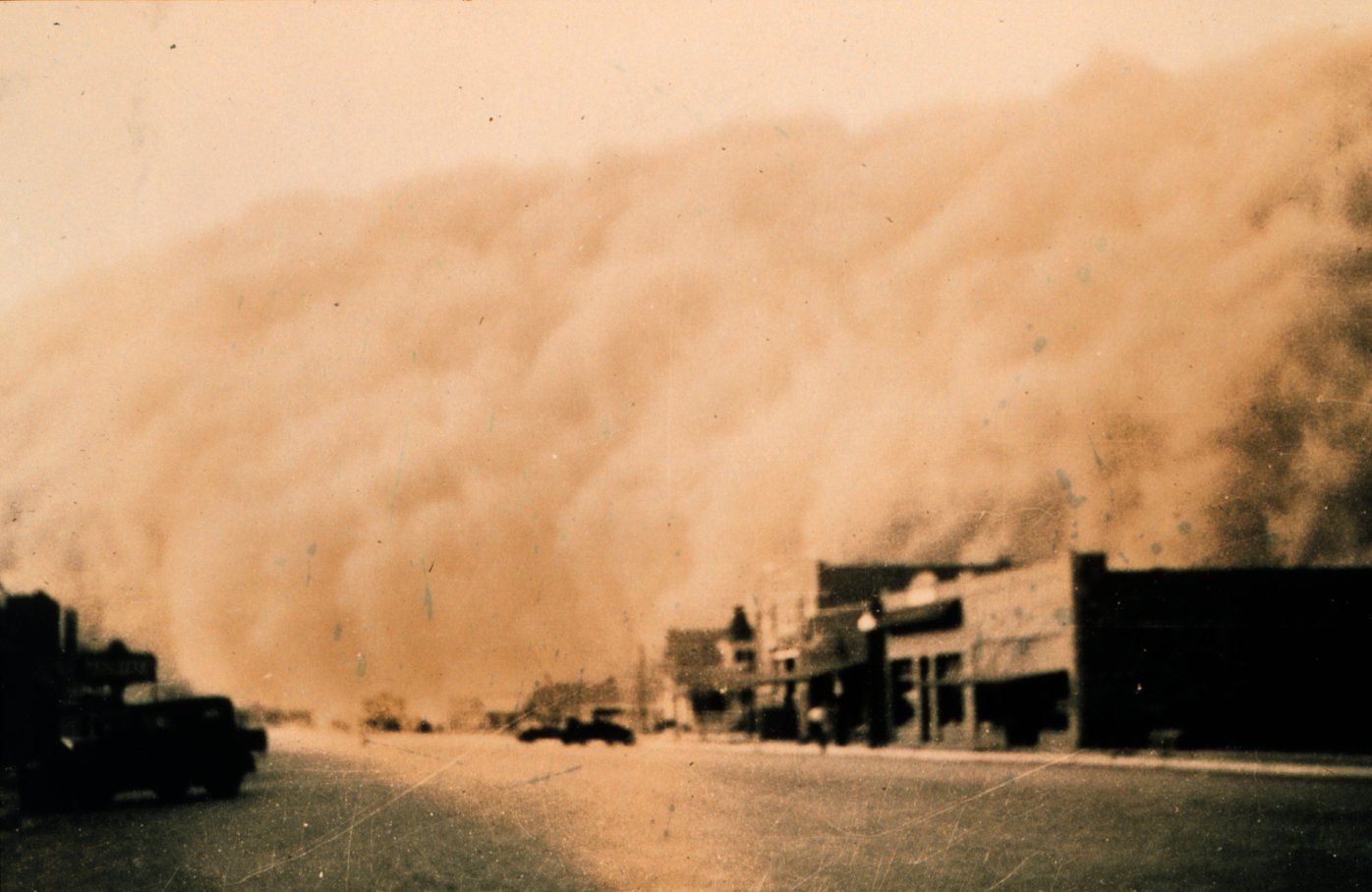
    Dust bowl soilThe Dust Bowl of the 1930s resulted in the displacement of tons of soil in the midst of a drought similar to the one that grips the Southwest today. Library of Congress
     

    Dirt is far from just dirt. It’s a foundation for life.

    This story was originally published by The Revelator.

    Look down. You may not see the soil beneath your feet as teeming with life, but it is.

    Better scientific tools are helping us understand that dirt isn’t just dirt. Life in the soil includes microbes like bacteria and fungi; invertebrates such as earthworms and nematodes; plant roots; and even mammals like gophers and badgers who spend part of their time below ground.

    It’s commonly said that a quarter of all the planet’s biodiversity lives in the soil, but that’s likely a vast understatement. Many species that reside there, particularly microorganisms such as viruses, bacteria, fungi and protists, aren’t yet known to science.

  • Monarch butterflies, an ephemeral but regular glimpse of beauty, are fluttering toward extinction
    in News

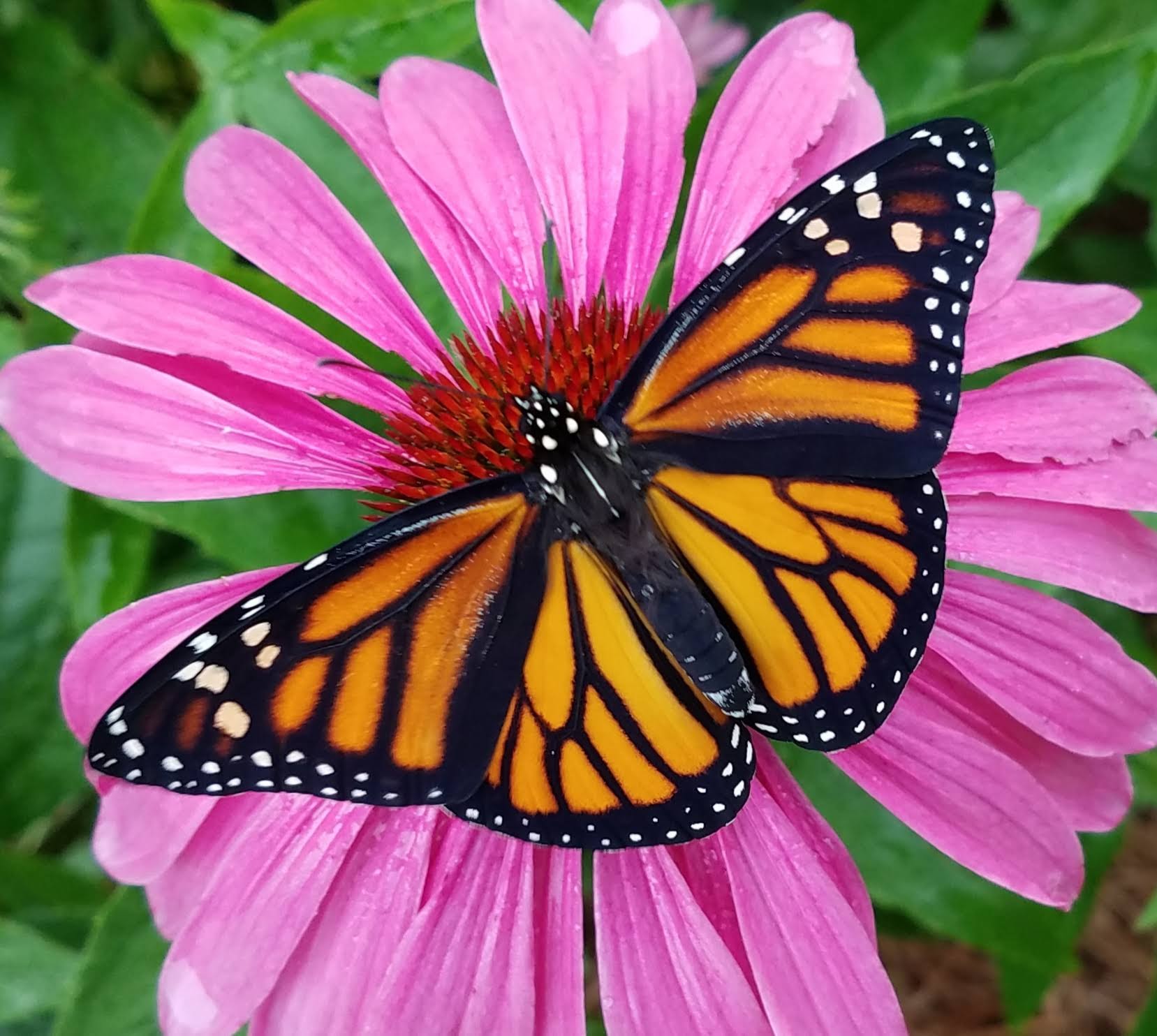
     Bales Monarch on coneflowerA monarch butterfly, recently declared endangered despite decades of conservation, is seen atop a coneflower. Stephen Lyn Bales

    Dramatic monarch declines mean the bell tolls for we

    KNOXVILLE — Monarch butterflies are ephemeral by nature. The orange and black dalliances that flitter through our lives, our yards, and our countryside like motes of dust are here one minute and gone the next. We pause for a few seconds to watch the “flutter-bys” and then move on.

    For about all of the Lepidopteran family, where they come from, where they go, their raison d'être, we don’t ask. They are winged wisps that pass through our busy lives. But that is not true with this orange and black butterfly, named to honor King William III of England, the Prince of Orange. But two people did ask.

    Norah and Fred Urquhart lived in Southern Canada and in the late 1930s they noticed that the monarch butterflies seemed to all be fluttering south this time of the year. Could they possibly be migrating and if so, where did they go? The notion that a butterfly might migrate south for the winter seemed hard to fathom. Yes, broad-winged hawks migrate. But a flimsy butterfly?

  • SACE sees many silver linings in Senate climate bill; House passage expected
    in News

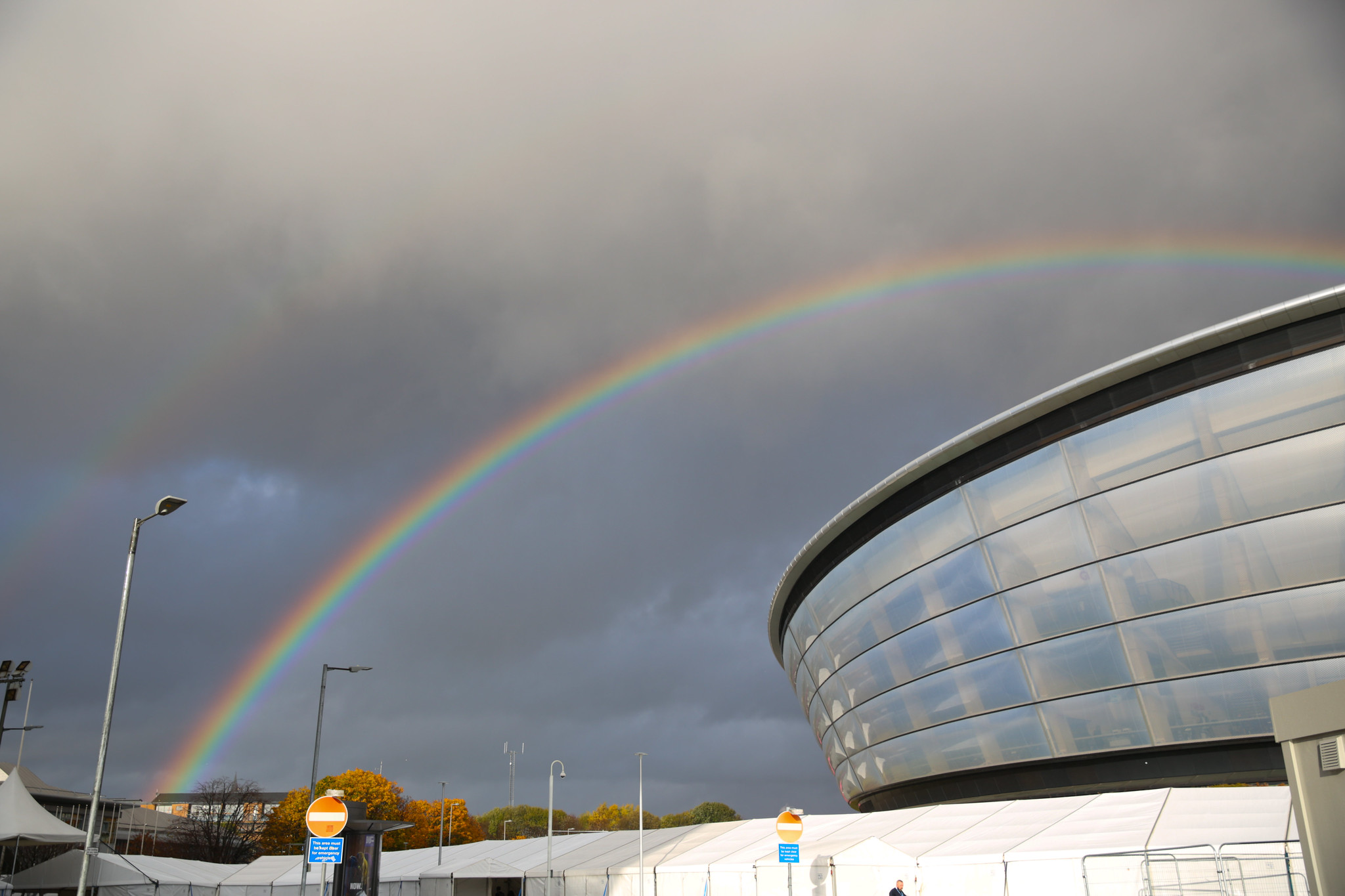
    UN Climate ChangeA rainbow pierces gray skies during the 2021 United Nations Climate Change Conference in Glasgow. United Nations

    Climate activists stress positives of Senate climate bill despite its shortcomings 

    Amy Rawe is communications director for Knoxville-based Southern Alliance for Clean Energy.

    KNOXVILLE — The U.S. Senate passed the Inflation Reduction Act (IRA), an estimated $430 billion bill, of which approximately $370 billion will be allocated to investments in clean energy and to address climate change.

    It’s the single largest climate investment in U.S. history, and if it passes the House, will put the country on a path to be able to achieve roughly 40 percent emissions reduction from 2005 levels by 2030, reestablishing our influence in meeting the Paris Agreement goal of limiting global warming to 1.5 degrees Celsius. 

  • Dems pass huge climate bill assailed by some as another fossil energy sop
    in News

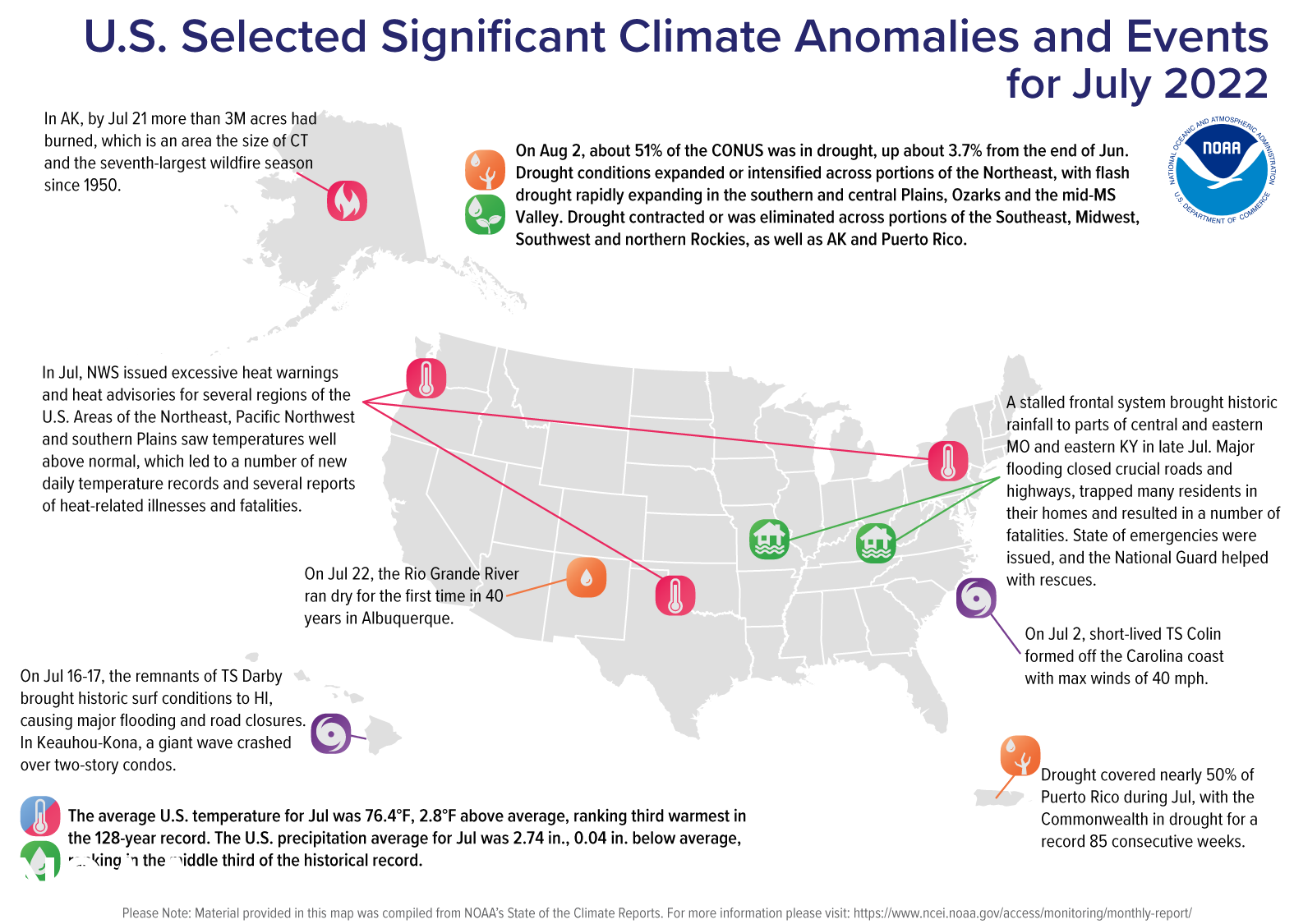
    5 July 2022 US Significant Climate Events Map

    Record-setting bill will fund extensive efforts to address climate change, but the sausage-making deal is decried by some as a ‘suicide pact’

    This story was originally published by Tennessee Lookout.

    WASHINGTON — The U.S. Senate, along party lines, passed a sweeping energy, health care, climate and tax package Sunday afternoon, following an overnight marathon of votes that resulted in just a handful of notable changes to the legislation.

    The 755-page bill was passed after Vice President Kamala Harris broke a 50-50 tie in the evenly divided Senate. It now heads to the House, where Democratic leaders have announced they will take it up on Friday.

    At last, we have arrived,” Senate Majority Leader Chuck Schumer said.  Democratic senators broke out into applause as Harris announced passage of the bill, expected to total more than $700 billion.

    Schumer, a New York Democrat, said he dedicated the measure to young Americans who have pushed and protested for the Senate to take action on climate change. 

  • Congo retreats from climate commitments to fuel its fossil energy sector
    NYT: Why should we care when you built your world with fossil fuels?

    The government of Congo is recruiting fossil-fuel extractors to suck oil from beneath tropical forest and bog ecosystems that rival the Amazon in their role as carbon sinks.

    Opponents say it’s another step in knocking over the dominoes of climate renewal as Russia’s invasion of Ukraine continues to roil energy markets and threaten international commitments to addressing climate change.

    “The oil and gas blocks, which will be auctioned in late July, extend into Virunga National Park, the world’s most important gorilla sanctuary, as well as tropical peatlands that store vast amounts of carbon, keeping it out of the atmosphere and from contributing to global warming,” according to the New York Times.

    Leaders say the global energy paradigm has shifted to the point it makes little sense to prioritize the natural environment over boosting the economy of an impoverished nation.

    According to NYT: “That’s our priority,” Mr. Mpanu said, in an interview last week. “Our priority is not to save the planet.”