
Displaying items by tag: the revelator
There’s a whole world in the dirt beneath your feet
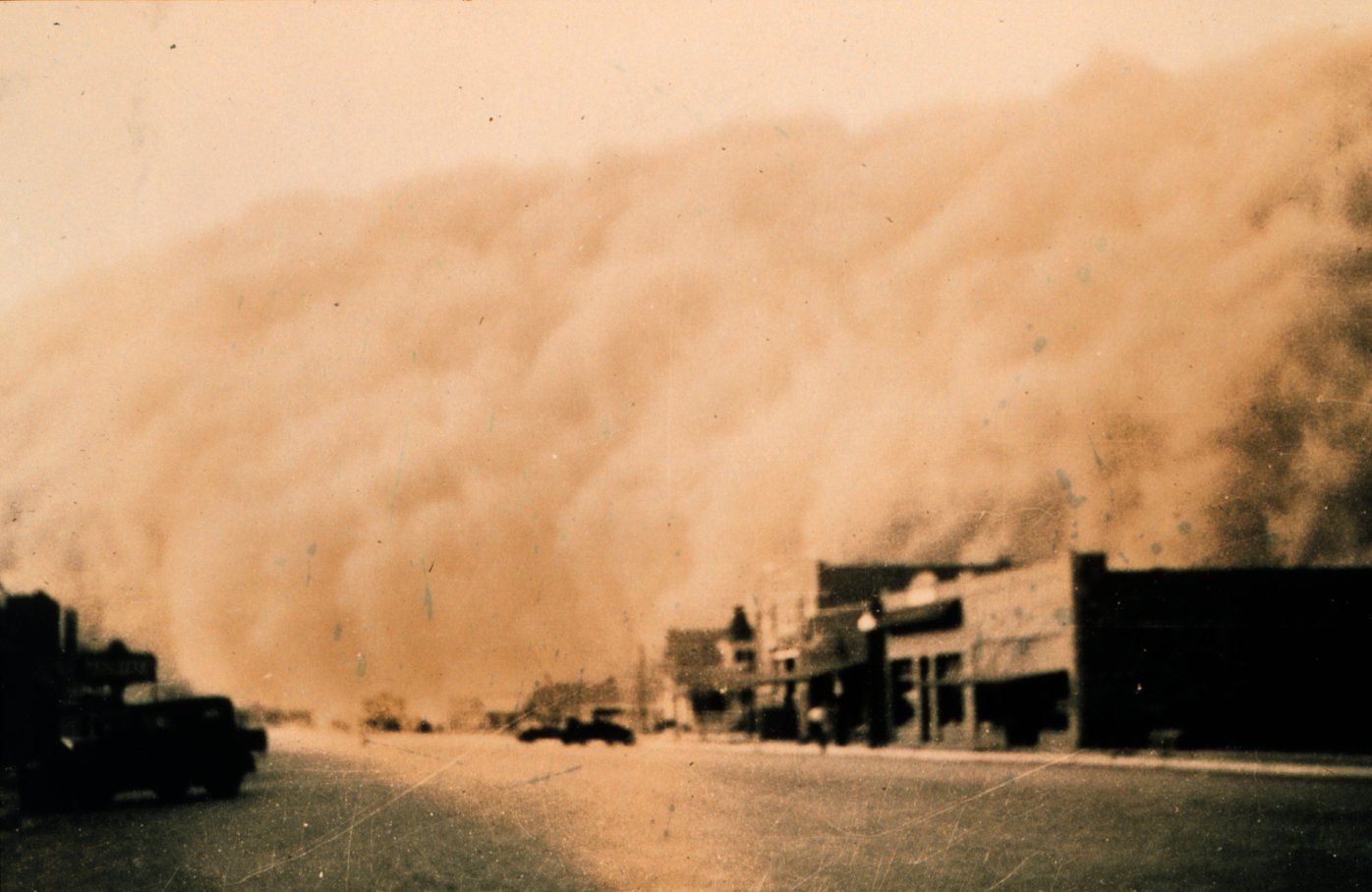 The Dust Bowl of the 1930s resulted in the displacement of tons of soil in the midst of a drought similar to the one that grips the Southwest today. Library of Congress
Dirt is far from just dirt. It’s a foundation for life.
This story was originally published by The Revelator.
Look down. You may not see the soil beneath your feet as teeming with life, but it is.
Better scientific tools are helping us understand that dirt isn’t just dirt. Life in the soil includes microbes like bacteria and fungi; invertebrates such as earthworms and nematodes; plant roots; and even mammals like gophers and badgers who spend part of their time below ground.
It’s commonly said that a quarter of all the planet’s biodiversity lives in the soil, but that’s likely a vast understatement. Many species that reside there, particularly microorganisms such as viruses, bacteria, fungi and protists, aren’t yet known to science.
- the revelator
- soil type
- soil moisture
- why is soil important
- drought
- soil microbe
- biodiversity
- soil microorganism
- nutrient cycling
- reading university
- climate change
- soil degradation
- plastic pollution
- genetically modified organism
- pesticide
- artificial fertilizer
- land use change
- compaction
- erosion
- convention on biodiversity
- soil biodiversity observation network
- global soil biodiversity initiative
- ecosystem research
- multidimensionality
- macroecology
- farm to fork strategy
- microbial transplants
- soil quality
- soil sealing
The South’s hidden climate threat
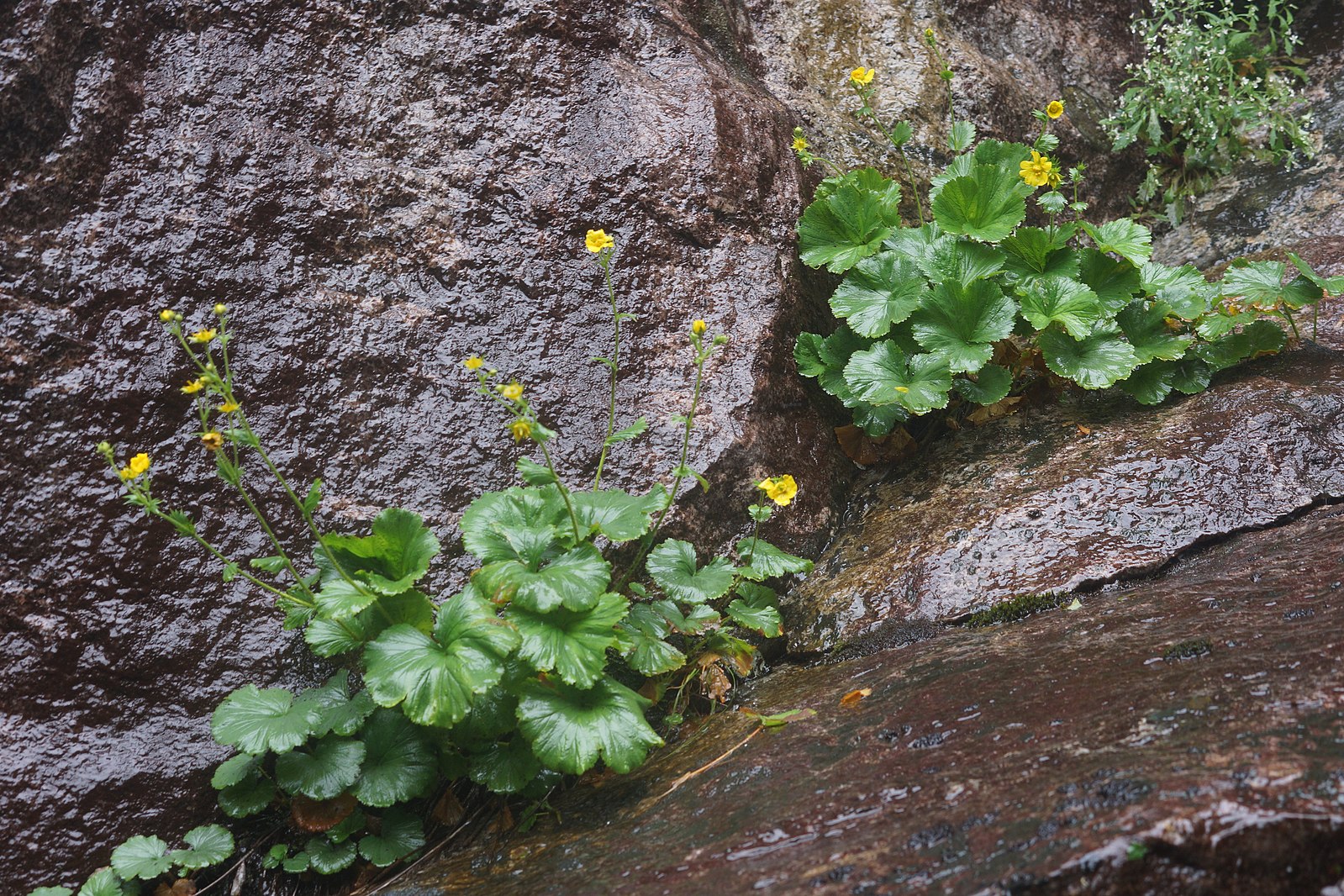 Spreading avens are seen in bloom in the Appalachians. The endangered long-stemmed perennials survive in higher mountain elevations but their lack of space to move higher in elevation in times of climate change and warming further threaten the plant. USFWS
It’s not just the coastlines that are recording climate change. Even the mountains of North Carolina are feeling the heat — including some endangered plants
“Atlanta reporter Dan Chapman retraced John Muir’s 1867 trek through the South, including the naturalist’s troubling legacy, to reveal environmental damage and loss that’s been largely overlooked.” This is an excerpt published by The Revelator from his book, A Road Running Southward: Following John Muir’s Journey Through an Endangered Land.
BOONE — It’s a wonder anything survives the ice, snow, and winds that pummel the ridge, let alone the delicate-seeming yellow flowers known as spreading avens.
The lovely, long-stemmed perennials are exceedingly rare, officially listed as endangered, and found only in the intemperate highlands of North Carolina and Tennessee. They sprout from shallow acidic soils underlying craggy rock faces and grassy heath balds. At times blasted with full sun, but mostly shrouded in mist, the avens are survivors, Ice Age throwbacks that refuse to die. Geum radiatum is only known to exist in fourteen places, including hard-to-find alpine redoubts reached via deer trail or brambly bushwhacking.
In Ukraine, fear of nuclear plants riven by Russia cuts to the core
 The Chornobyl Nuclear Plant in Ukraine is seen in 1986 after a fire devastated the plant and led to radiation emissions that spread across the European continent. United Nations
36 years after the Chornobyl crisis, Ukraine presents a test for nuclear reactor survivability
This story was originally published in The Revelator.
CHORNOBYL, UKRAINE — It took less than a minute after an unexpected power surge for one of the nuclear reactors at Chornobyl (Chernobyl in the Russian spelling) to explode on April 26, 1986, ripping the roof off and spewing dangerous toxins into the air.
The event, and emergency cleanup that followed, left 30 workers dead, thousands exposed to cancer-causing nuclear material and later death, and a legacy of radiation. Now, 36 years later and with war raging, Ukraine is desperate to prevent another nuclear disaster.
Nuclear reactors generate more than half of the country’s power. Ukraine is the first country with such a large and established nuclear energy program to experience war, according to the International Atomic Energy Agency.
Countless living things are under attack in Ukraine
 The Ukrainian roosting areas of the endangered Saker falcon face a threat from military conflict precipitated by the Russian invasion. International Union for Conservation of Nature
10 ways war is bad for the natural world
This story was originally published by The Revelator. Here's a related story about endangered species in Ukraine threatened by the invading forces of Vladimir Putin.
As war and conflicts rage on in Ukraine, Yemen, South Sudan, Libya and other places around the globe, it’s important to look at the long-term effects of military strife, which can destroy the environment as easily as it destroys lives. (Thousands of humans have already perished in the invasion.)
“Russia’s military operations in a heavily industrialized, densely populated nation containing numerous refineries, chemical plants, and metallurgical facilities further compounds the threat of these hostilities for Ukraine’s people and their environment, both now and for years to come.”
Here are 10 of the most dangerous ways war affects the animals and plants around us — many of which also harm humans in the process.
- ukraine war
- russian invasion of ukraine
- endangered species in ukraine
- war effects on environment
- ukraine pollution
- war pollution ukraine
- environmental threat ukraine
- john platt writer
- the revelator
- barbary lion
- wake island rail
- environmental impact war
- okapi conservation project
- thin green line foundation
- long term effect
New year. Old challenges.

From plastic pollution to extreme weather and the extinction crisis, the year ahead promises tough fights, enormous challenges and critical opportunities
This story was originally published by The Revelator.
A new year brings with it new opportunities — and more of the same environmental threats from the previous 12 months.
A lot of aquatic life is now swimming, crawling, balling and growing in a weird pharmaceutical stew
The Revelator: Residual drugs largely unfiltered by existing wastewater plants
Aquatic species around the world are exposed to at least 600 types of residual drugs, ranging from anti-inflammatories to antidepressants, and it’s not fully understood how these chemicals will ultimately affect marine ecosystems.
Some research indicates that a species of crayfish is emboldened by antidepressant compounds in the presence of predators, lessening its flight response. Scientists have also noted the presence of pharmaceuticals among invertebrates, as well as seaweed.
More work is needed to further document the effects of the chemicals on the behavior and reproduction of aquatic life, but people can temper the introduction of pharmaceuticals in the first place by never flushing medications down the toilet or any other drain, and checking in on the filter technologies in place at their local wastewater treatment plant. Some advanced carbon filters can successfully remove pharmaceuticals from wastewater before it’s released into the environment.
One town tried to eliminate waste. Plastic posed a problem.
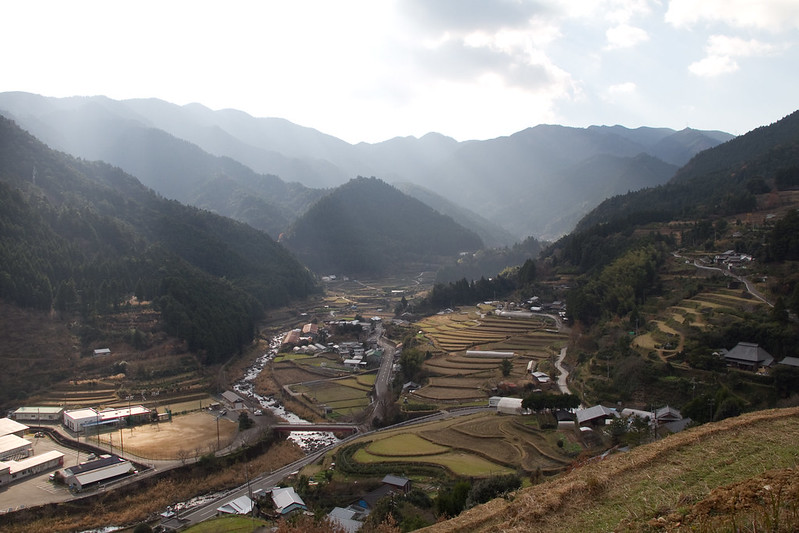
Kamikatsu, Japan, famously declared its goal was to go waste-free by 2020. It didn’t quite get there.
This story was originally published in The Revelator
One of the many unfortunate outcomes of the coronavirus pandemic has been the quick and obvious increase in single-use plastic products. After COVID-19 arrived in the United States, many grocery stores prohibited customers from using reusable bags, coffee shops banned reusable mugs, and takeout food with plastic forks and knives became the new normal.
Despite recent scientific evidence that reusables don’t transmit the virus, the plastic industry has lobbied hard for a return to all things disposable plastic. Inevitably, a lot of that plastic will continue to flow into our environment.
While COVID-19 has certainly thrown a wrench into the hard-earned progress we’d been making in reducing waste, eliminating plastic pollution entirely was always going to be challenging — with or without a pandemic. The jarring rise of single-use plastics is an expedited version of a familiar trend. Plastic production has been steadily increasing for quite some time.
As a zero-waste advocate, I’ve seen how the tsunami of plastic continuously being produced and flooding our planet has made achieving zero-waste goals incredibly difficult. The sheer amount makes it hard to safely and efficiently dispose of plastic, no matter how hard we try.
But as I examine the problem, and search for solutions, I keep coming back to one noteworthy example.
- plastic pollution
- covid plastic increase
- reduce waste japan
- plastic recycling
- kamikatsu, japan
- the revelator
- reusable bag
- reusable packaging
- covid19
- zero waste
- waste free
- reusable mug
- reuse
- reduce
- recycling
- plastic industry
- nonrecyclable
- single use plastic
- mixed material
- food container
- bottle bill
- break free from plastic pollution act
Face your fears: It’s time to have a global conversation about spider conservation
 U.S. Fish and Wildlife Service biologist Susan Cameron searches moss mats for the spruce-fir moss spider in this USFWS photo.
European spidey senses should give us pause across the pond.
This story was originally published by The Revelator.
Despite their enormous ecological values, new research reveals we don’t understand how most arachnid species are faring right now — or do much to protect them.
Spiders need our help, and we may need to overcome our biases and fears to make that happen.
“The feeling that people have towards spiders is not unique,” says Marco Isaia, an arachnologist and associate professor at the University of Turin in Italy. “Nightmares, anxieties and fears are very frequent reactions in ‘normal’ people,” he concedes.
Perhaps that’s why spiders remain under-represented across the world’s endangered-species conservation plans. Average people don’t think much about them, relatively few scientists study them, and conservation groups and governments don’t act enough to protect them.
That’s a major gap in species-protection efforts — one that has wide repercussions. “Efforts in conservation of spiders are particularly meaningful for nature conservation,” Isaia points out. Spiders, he says, have enormous ecological value as food for birds and other animals. They’re also important to people, both as predators of pest species and as inspiration for medicines and engineering.
And yet they remain neglected.
How bad is the problem? A new paper by Isaia and 18 other experts digs into the conservation status of Europe’s 4,154 known spider species and finds that only a few have any protection at the national level. Most have never even been adequately assessed or studied in detail, so we don’t know much about their extinction risk or their ecological needs.
Saving America’s “Amazon” in Alabama
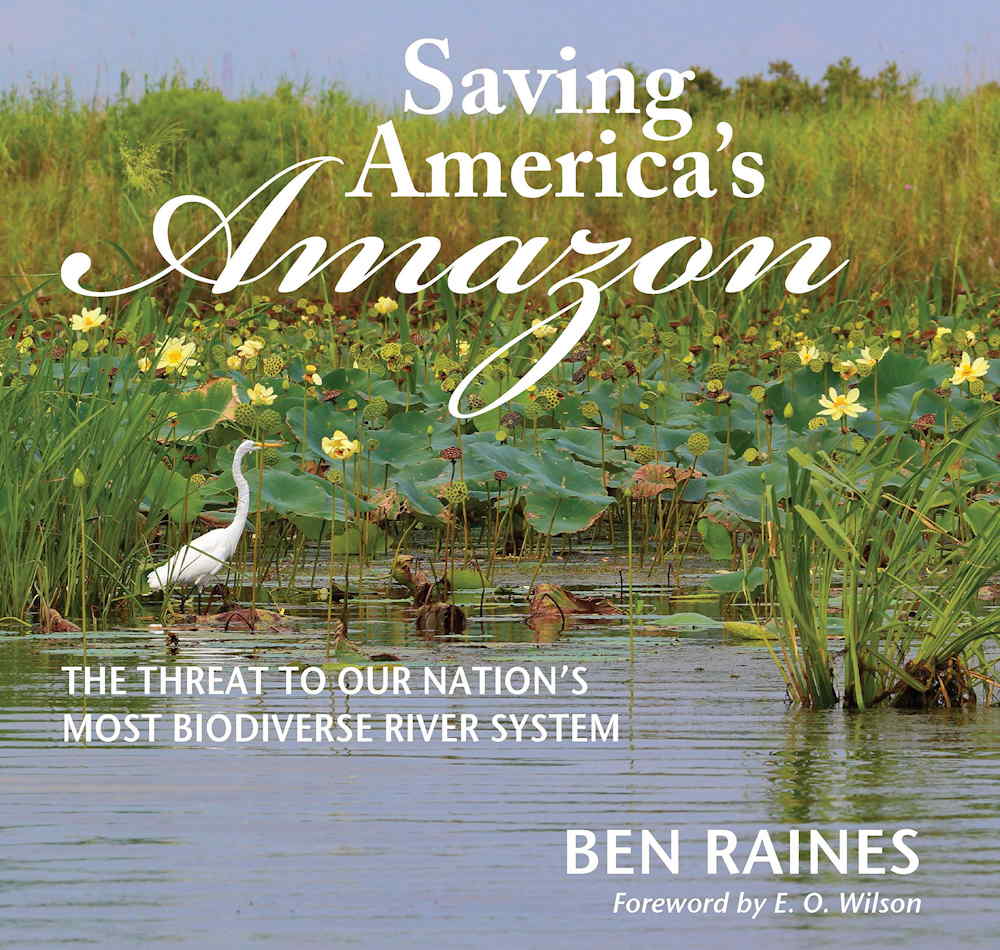
Alabama is home to remarkably diverse ecosystems:
They face dire threats.
This story was originally published by The Revelator.
When longtime environmental journalist Ben Raines started writing a book about the biodiversity in Alabama, the state had 354 fish species known to science. When he finished writing 10 years later, that number had jumped to 450 thanks to a bounty of new discoveries. Crawfish species leaped from 84 to 97 during the same time.
It’s indicative of a larger trend: Alabama is one of the most biodiverse states in the country, but few people know it. And even scientists are still discovering the rich diversity of life that exists there, particularly in the Mobile River basin.
All this newly discovered biodiversity is also gravely at risk from centuries of exploitation, which is what prompted Raines to write his new book, “Saving America’s Amazon.”
The Revelator talked with Raines about why this region is so biodiverse, why it’s been overlooked, and what efforts are being made to protect it.
Question: What makes Alabama, and particularly the Mobile River system, so biodiverse?
Answer: The past kind of defines the present in Alabama.
During the ice ages, when much of the nation was frozen under these giant glaciers, Alabama wasn’t. The glaciers petered out by the time they hit Tennessee. It was much colder but things here didn’t die.
Everything that had evolved in Alabama over successive ice ages is still here. We have a salamander, the Red Hills salamander, that branched off from all other salamander trees 50 million years ago. So this is an ancient salamander, but it’s still here because it never died out.
The other thing you have here, in addition to not freezing, is that it’s really warm. Where I am in Mobile, we’re on the same latitude as Cairo. So the same sun that bakes the Sahara Desert is baking here.
But we also have the rainiest climate in the United States along Alabama’s coast. It actually rains about 70 inches a year here. By comparison, Seattle gets about 55 inches. It makes for a sort of greenhouse effect where we have this intense sun and then plenty of water. Alabama has more miles of rivers and streams than any other state.
Things just grow here.
The pitcher plant bogs of Alabama, for example, are literally among the most diverse places on the planet. In the 1960s a scientist went out and counted every species of flowering plant in an Alabama pitcher plant bog. He came up with 63. That was the highest total found on Earth in a square meter for a decade or more.
For a long time the Great Smoky Mountains National Park was thought to be the center of oak tree diversity in the world because they have about 15 species of oaks in the confines of the park. Well, two years ago scientists working in this area called the Red Hills along the Alabama River found 20 species of oak trees on a single hillside. It’s just staggering.
Why is Alabama’s rich biodiversity not well known or studied?
The state was never known for being a biodiverse place until the early 2000s, when NatureServe came out with this big survey of all the states. It surprised everyone because it showed Alabama leading in aquatic diversity in all the categories — more species of fish, turtles, salamanders, mussels, snails.
This blew everybody away because Alabama in everybody’s mind is the civil rights protests of the 1960s, the KKK, steel mills and cotton fields. But that’s not what’s in Alabama, that’s what we’ve done to Alabama since we’ve been here.
I think part of it also has to do with being a long way from Harvard and Yale and Stanford and the great research institutions that were sending biologists all over the world. Alabama just wasn’t really studied or explored.
Again and again, the story in Alabama is that nobody has ever looked.
That’s one of E.O. Wilson’s big messages about Alabama. He is our most famous living scientist, I would say, or certainly biologist. He grew up here, and now in his twilight years his big mission has become trying to save Alabama. And he describes it as less explored than Borneo and says we have no idea what miracle cures and things we may find in the Mobile River system, which is what I call “America’s Amazon.”