
Displaying items by tag: recycling
Knoxville is a great city to recycle
 City of Knoxville
Recycling rates are at a high, but challenges remain
This article was provided by city of Knoxville Deputy Communications Director Eric Vreeland.
KNOXVILLE — How do city residents do recycling? Successfully, enthusiastically and smartly, according to two measurements:
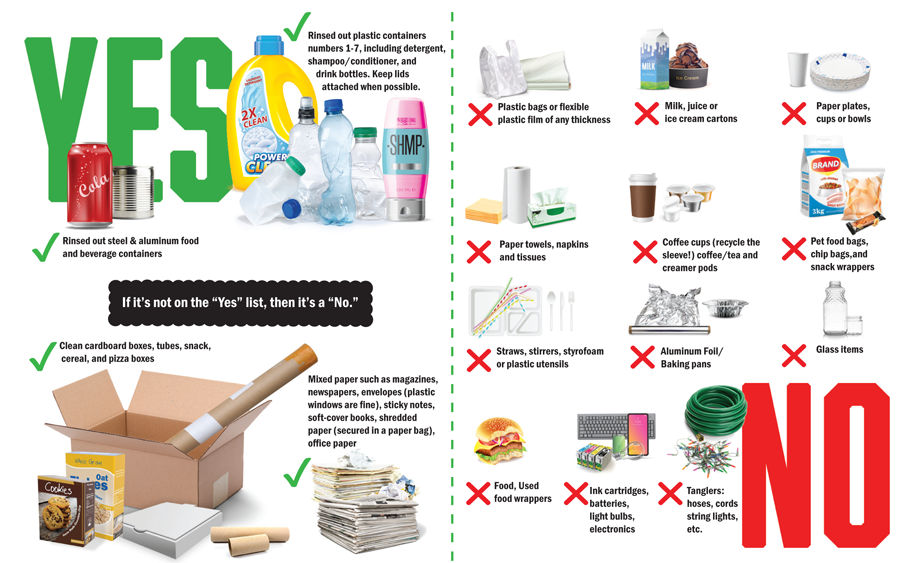
— Nearly 55 percent of eligible households are now signed up for curbside recycling, which is an all-time high representing about 33,000 families.
— A Feb. 11, 2022 analysis found that non-recyclable materials make up only 16.8 percent of what goes into Knoxville curbside recycling carts. That’s better than the national average of 25 percent.
One town tried to eliminate waste. Plastic posed a problem.

Kamikatsu, Japan, famously declared its goal was to go waste-free by 2020. It didn’t quite get there.
This story was originally published in The Revelator
One of the many unfortunate outcomes of the coronavirus pandemic has been the quick and obvious increase in single-use plastic products. After COVID-19 arrived in the United States, many grocery stores prohibited customers from using reusable bags, coffee shops banned reusable mugs, and takeout food with plastic forks and knives became the new normal.
Despite recent scientific evidence that reusables don’t transmit the virus, the plastic industry has lobbied hard for a return to all things disposable plastic. Inevitably, a lot of that plastic will continue to flow into our environment.
While COVID-19 has certainly thrown a wrench into the hard-earned progress we’d been making in reducing waste, eliminating plastic pollution entirely was always going to be challenging — with or without a pandemic. The jarring rise of single-use plastics is an expedited version of a familiar trend. Plastic production has been steadily increasing for quite some time.
As a zero-waste advocate, I’ve seen how the tsunami of plastic continuously being produced and flooding our planet has made achieving zero-waste goals incredibly difficult. The sheer amount makes it hard to safely and efficiently dispose of plastic, no matter how hard we try.
But as I examine the problem, and search for solutions, I keep coming back to one noteworthy example.
- plastic pollution
- covid plastic increase
- reduce waste japan
- plastic recycling
- kamikatsu, japan
- the revelator
- reusable bag
- reusable packaging
- covid19
- zero waste
- waste free
- reusable mug
- reuse
- reduce
- recycling
- plastic industry
- nonrecyclable
- single use plastic
- mixed material
- food container
- bottle bill
- break free from plastic pollution act
Keep your butts out of the Tennessee River

Dollywood joins Tennessee Aquarium effort to limit the introduction of cigarette butts to our shared waterways.
“As all humans need access to clean water, it’s an incredibly important treasure to protect.” — Dr. Anna George, Tennessee Aquarium vice president of conservation science and education.
Cigarette butts are everywhere, and are perhaps so familiar they go unnoticed by the millions of people who pass them on our streets and roads.
Not only are they unsightly, they contaminate our water resources — the puddles after a sudden rainstorm, the streams that flow through our landscapes, and the stormwater drains that ultimately lead to the Tennessee River. The butts quickly break down, polluting water with “tiny plastic fibers and a devil’s cocktail of chemical compounds,” according to the Tennessee Aquarium.
The Chattanooga aquarium has partnered with Keep the Tennessee River Beautiful, an affiliate of Keep America Beautiful, to stem the rising tide of cigarette butts in our waterways.
Dollywood has also embraced the effort, making it the first theme park in the world to recycle all properly disposed cigarette butts.
“One cigarette filter can contain enough toxins to kill aquatic life within two gallons of surrounding water,” said Kathleen Gibi, executive director of Keep the Tennessee River Beautiful.
The action fits the mission of Keep the Tennessee River Beautiful, which is to inspire the public to take action to protect and preserve the Tennessee River and its tributaries across a seven-state region encompassing Virginia, Tennessee, North Carolina, Georgia, Alabama, Mississippi and Kentucky.
Keep the Tennessee River Beautiful and the Tennessee Aquarium have partnered to install cigarette-butt recycling receptacles on the aquarium’s campus. They placed eight of these bins in heavily traveled locations.
“Everybody contributes to the river, whether positively or negatively, so finding stakeholders and inspiring them to take action is what will make the biggest impact,” Gibi said. She also emphasized the importance of the Tennessee Aquarium’s educational programs in protecting water quality.
The aquarium’s eight cigarette-butt bins are among more than 480 such bins that Keep the Tennessee River Beautiful has installed within the river’s watershed. The shared effort will install another 90 during the coming months.
Dollywood is among the 73 sites that have installed bins, making it the first theme park in the world that recycles all the cigarette butts it collects, Gibi says.
Partnering to remove cigarette filters from the river is only part of the aquarium’s ongoing mission to understand the impact on freshwater habitats from microplastics pollution.
Dr. Anna George, the Aquarium’s vice president of conservation science and education, said, “It’s urgent to understand better ways to manufacture and dispose of plastics, so we reduce their impact on the environment.”
The Tennessee Aquarium recently installed a new exhibit in the River Journey Building where visitors can discover the impact of microplastics on freshwater environments. The Tennessee Department of Transportation funded this exhibit as part of their Nobody Trashes Tennessee litter reduction campaign.
In September 2020, the Tennessee Aquarium Conservation Institute and the University of Georgia River Basin Center convened a digital gathering of 50 researchers conducting pioneering studies into the impact of microplastics on freshwater systems.