
12 Responsible Consumption and Production (6)
Ensure sustainable consumption and production patterns
Food myths hurt Mother Earth
The average American family of four annually spends more than $2,000 on food they never eat!
Nearly one in nine people suffer from hunger worldwide.
Agriculture contributes to global greenhouse gas emissions, deforestation and soil degradation.
Climate change increases crop losses.
One third of all food produced in the world is lost or wasted.
It’s not just the food that’s wasted.
Consider the energy wasted to grow, process and transport it.
That all contributes to climate change, food shortages and to the rising costs of food, energy and health care.
Food waste stresses our environment, humanity and the economy.
— EarthSolidarity™
Southeast Tennessee ridges and rivers will benefit from $10m infusion of federal natural resource funding
Written by Casey Phillips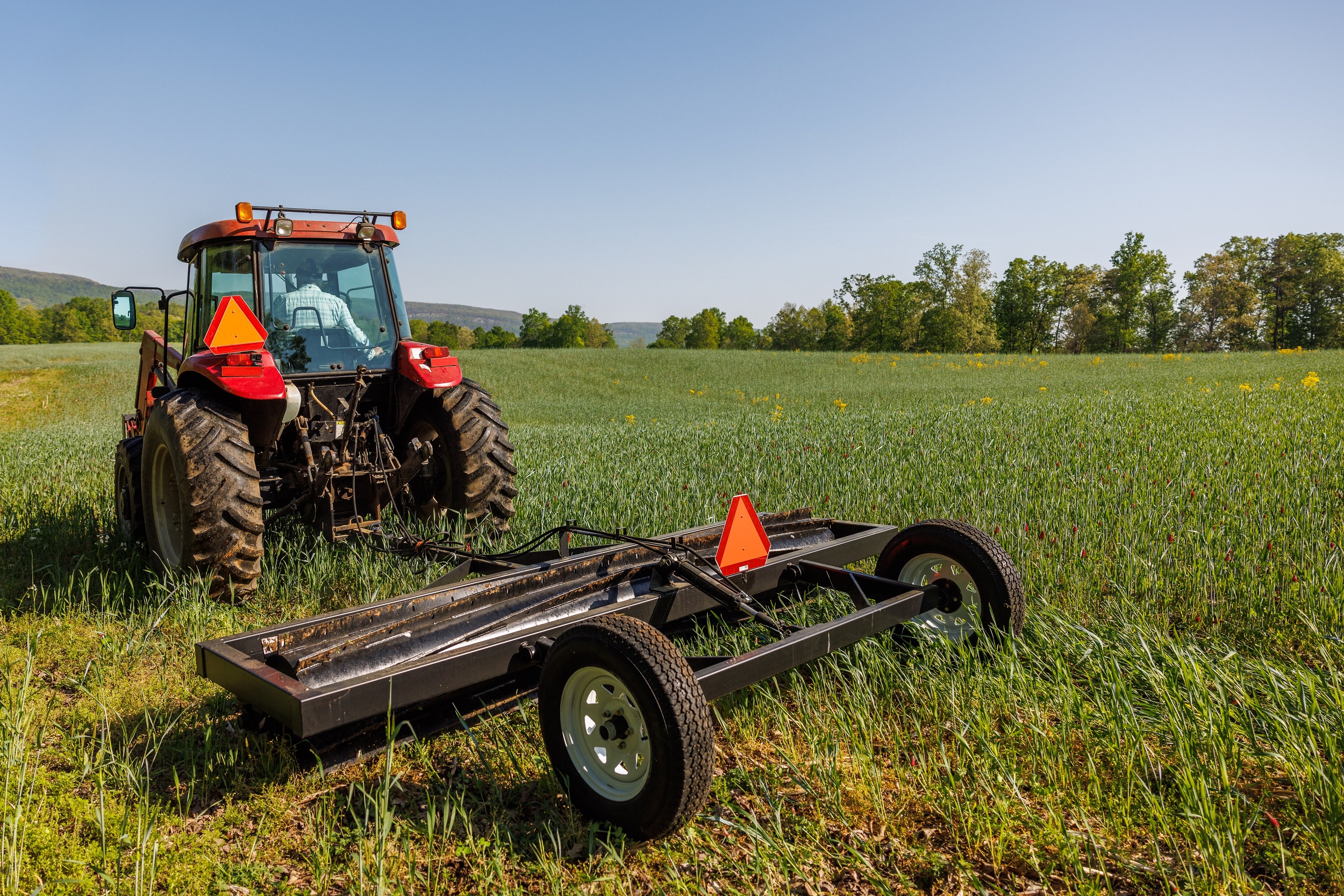 A crimper is attached to the back of a tractor on a farm in the Sequatchie River Valley. A relatively recent agricultural technique, crimping has been shown to reduce farmers’ input costs and improve soil quality. Recently, USDA approved funneling $10 million into a six-county region of Southeast Tennessee. This money will fuel conservation-minded improvements for landowners, including lowering the cost to rent equipment like crimpers and subsidize the planting of cover crops to improve soil health and reduce sedimentation in nearby streams. Tennessee Aquarium
Targeted collaborative conservation will help local agricultural operations improve soil and water quality and protect aquatic life
CHATTANOOGA — Tennessee is as much a patchwork quilt of farms as it is an intricately woven lacework of streams and rivers. Soon, farmers and the aquatic life living alongside them will reap the benefits of $10 million in federal funds to support water-friendly agricultural improvements in the rolling uplands of the state’s southeastern corner.
The U.S. Department of Agriculture (USDA) approved the allocation of more than $197 million to support Regional Conservation Partnership Programs (RCPP) throughout the nation. These initiatives promote coordination between USDA’s Natural Resources Conservation Service (NRCS) and partnering organizations that are already engaged in conservation efforts.
- tennessee aquarium conservation institute
- tennessee aquarium
- tennessee department of environment and conservation
- farmland preservation
- land water preservation in se tennessee
- usda
- regional conservation partnership program
- ridge to river
- walden ridge
- sequatchie valley
- laurel dace
- natural resources conservation service
- chattanooga environment
- southeast tennessee environment
- tennessee endangered fish
- rcpp
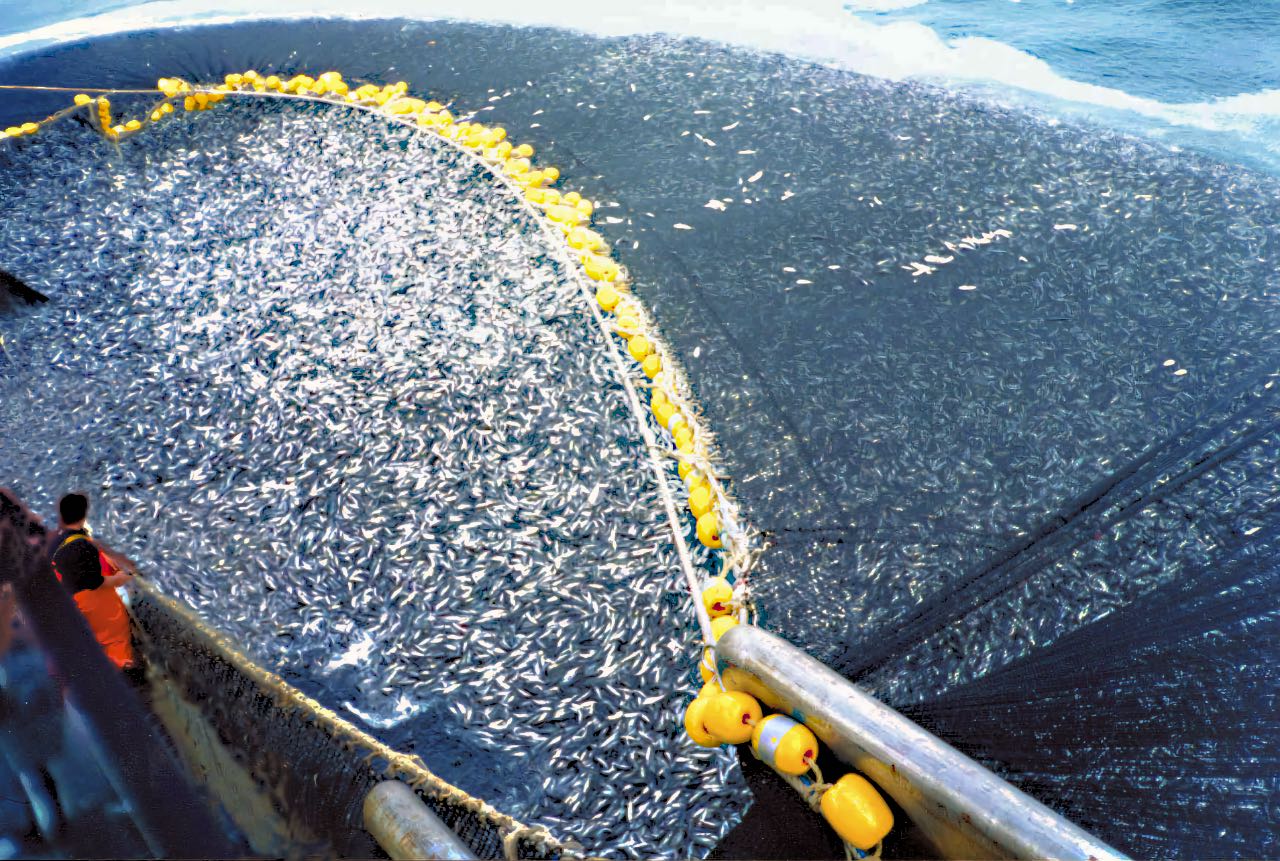 A purse seine on a Chilean fishing vessel captures tons of mackerel. NOAA
We need to navigate to where fish sticks in your mind
You can read Coty Perry’s full report on overfishing at YourBassGuy.com.
When you hear about sustainability, one thing that often flies under the finder is the topic of overfishing. Many will say that overfishing is a natural response to the need for more fish, but it runs much deeper than that.
The goal of this article is not to shame any specific industry, country or company. The goal is to shine light on an issue I believe is highly under-reported by mainstream media.
 The Fleurish fashion show will feature sustainable and stylish clothes to reduce your big old footprint on Earth. Courtesy Fleurish/Ijams Nature Center
Help rock the catwalk at Ijams’ display of sustainable clothing
Cindy Hassil is a writer for Ijams Nature Center.
KNOXVILLE — Clothes can be a burden to both bear and wear. Ijams Nature Center offers fashionable alternatives with sustainability cred this month.
Ijams and Natural Alternatives Salon and Spa will present Fleurish: A Sustainable Fashion Event, from 6 to 9 p.m. Sunday, April 24.
“Fleurish is a runway show focused on how sustainability, conservation and beauty intertwine and affect our lives … and our future,” Fleurish Creative Director Ben Prager said. “This event engages the audience in ways that will help the average consumer make changes in their day-to-day lives to better impact the planet while never losing sight of the beauty of nature and the human experience.”
Twelve local designers, along with hair stylists and makeup artists, are coming together to create looks using both recycled and natural materials.
 The city of Knoxville has started a pilot composting project for residents and restaurants. Come meet cool people and learn more about limiting food waste and sip some beers April 9 at Crafty Bastard Brewery. City of Knoxville
Learn how to reduce food waste Saturday at Crafty Bastard Brewery
Paige Travis is a public information specialist for the city of Knoxville.
KNOXVILLE — The Waste and Resources Management Office invites the public to learn how to reduce food waste and drink a special brew Saturday, April 9 at the culmination of Tennessee Food Waste Awareness Week.
“The city of Knoxville is committed to reducing the amount of food waste that we put into our landfill,” said Waste and Resources Manager Patience Melnik, whose department recently launched the Knoxville Compost Pilot Project.
Hellbender Press previously reported on efforts to reduce food waste at the University of Tennessee.
 Erich Henry and Julia Konkel of the Blount County Soil Conservation District pose by a recent project. Blount County Soil Conservation District
Erich Henry and Julia Konkel anchor East Tennessee soil
MARYVILLE — The Dust Bowl was a time of extreme drought in the Southern Plains in the 1930s. The dry topsoil whipped by winds created the infamous “bowl of dust.” It polluted the air and made it nearly impossible to grow crops or maintain livestock.
East Tennessee gets more rain than the Southern Plains but regional farmers to this day unknowingly use bad agricultural practices.
Blount County Soil Conservation District’s Director Erich Henry doesn’t want history to repeat itself.