The Environmental Journal of Southern Appalachia

Southern Alliance for Clean Energy has a blueprint to help multiple utilities swear off fossil fuels

Written by

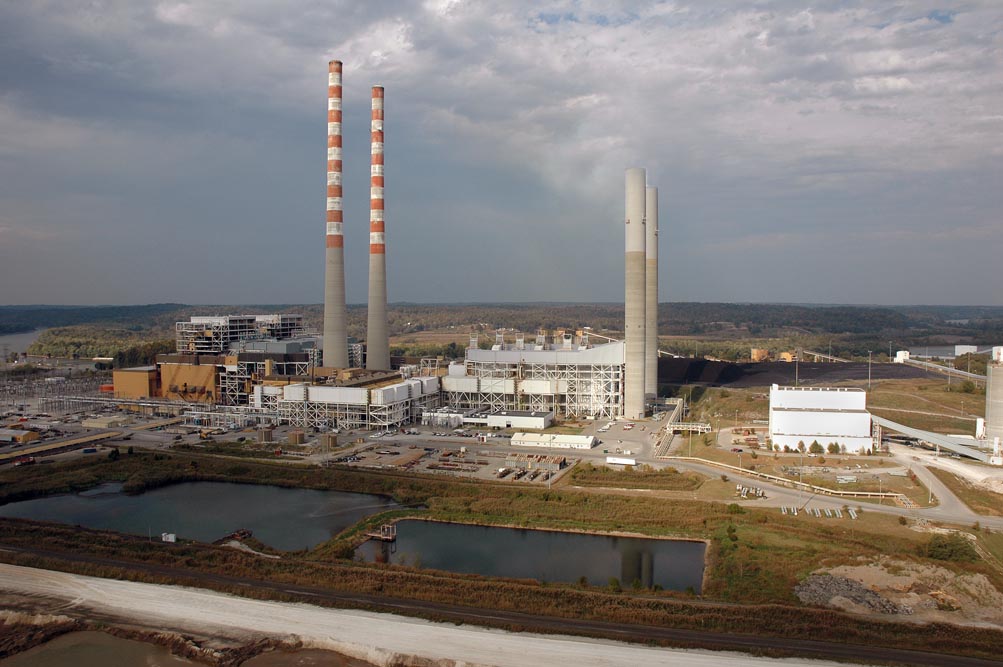
widows creek

Southern Alliance for Clean Energy offers detailed climate action items for fossil-based utilities

A new SACE report shows not only that is it possible for the four largest utilities in the Southeast to achieve 100 percent clean electricity, but there are several pathways to get there. A variety of different energy technologies and programs can be deployed to reach this goal.

The key takeaway is that we need to start now.

clean electricity standard is a policy that requires utilities to use clean energy resources to generate a minimum portion of all energy by a certain date. Since the first renewable standard was passed in Iowa in 1983 states and utilities across the U.S. have a lot of experience with this kind of policy.

As part of federal climate action, the Biden administration and several members of Congress have proposed different versions of a Clean Electricity Standard (CES) that achieves 100 percent clean electricity by 2035. SACE has called for the Tennessee Valley Authority (TVA) to lead the way by getting to 100 percent clean electricity by 2030.

To help us understand what 100 percent clean electricity would look like here in the Southeast, SACE staff developed pathways to meet a CES policy for our region’s four largest utility companies: TVA, Southern Company, NextEra (which owns Florida Power & Light and Gulf Power), and Duke Energy.

On Wednesday, June 16, and Thursday, June 17, SACE’s policy staff will host webinars focusing on pathways to 100 percent clean electricity for each of the utilities examined in the report: Duke Energy, NextEra, TVA, and Southern Company, including:

-What a federal Clean Electricity Standard is and how it could be key to kickstarting aggressive decarbonization;

-Multiple pathways with a different power generation mix for each utility to reach net-zero carbon emissions; 

-How distributed resources like rooftop solar and energy efficiency are key to decarbonizing; and

-Descriptions of the method used to develop and test each pathway to clean electricity.

Register for one or more of the following webinars Wednesday, June 16, and Thursday, June 17:

Download the report: “Achieving 100% Clean Electricity in the Southeast: Enacting a Federal Clean Electricity Standard.”

The primary pathway is focused on distributed energy resources (DERs). We found that with significant and sustained investments in DERs, like energy efficiency and rooftop solar, these utilities can achieve a customer-oriented pathway to clean electricity. In fact, these two resources, energy efficiency and rooftop solar, could meet approximately one-third of all electricity needs for these utilities by 2035. In addition to these distributed resources, these successful pathways will also include wind power, large-scale solar, and energy storage.

We found that when utilities have the ability to share resources to meet peak needs and reserve margins, fewer resources are needed overall. In most parts of the country, utilities already have the ability to do this through competitive electricity markets, but not in the Southeast. Having one such market that spans across the Southeast would help the region as a whole achieve 100 percent clean electricity.

Our analysis only looked at existing technologies. While it is good to know that today’s technologies can play a critical role in the pathway to 100 percent clean electricity, and so we must ramp up these technologies immediately, it is also true that investments in technology innovation are important to make it easier to get there. We still need to invest in research and development that can lead to improvements of existing clean electricity technologies and commercialization of new clean electricity technologies. This should not be a question of either deployment or research, both are needed.
Rate this item
(1 Vote)
Published in Voices

Related items

  • Wither wisteria: ‘People care about our land’
    in News

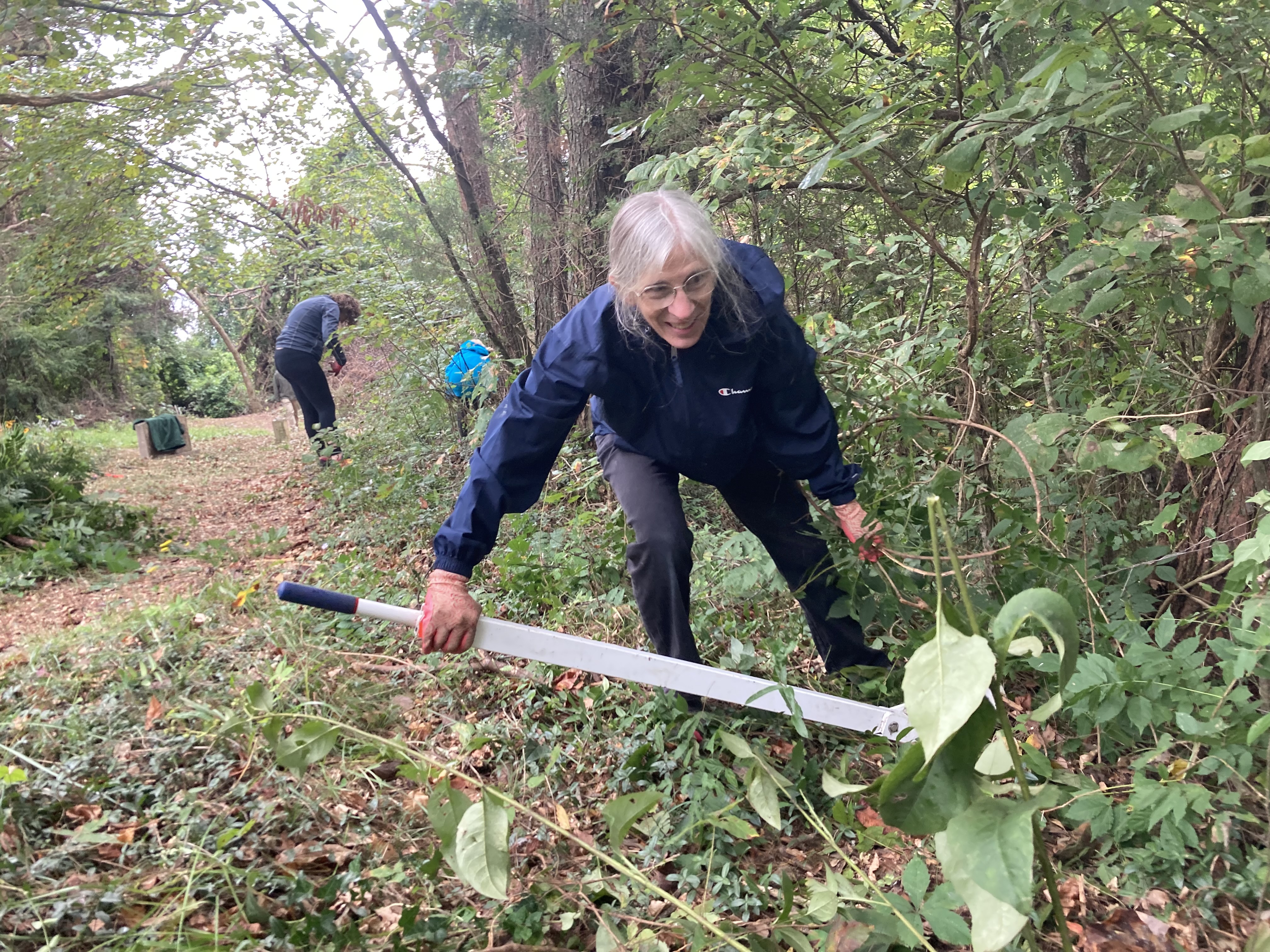
    IMG 4106Anne Child removes invasive exotic plants during a recent Tennessee Citizens for Wilderness Planning event to mark National Public Lands Day at TVA’s Worthington Cemetery in Oak Ridge. Ben Pounds/Hellbender Press

    Citizens pay it back on Public Lands Day in Oak Ridge, Smokies and beyond

    OAK RIDGE — Rain drizzled as volunteers dug and clipped plants in woods around an old cemetery turned science lab.

    It was a Public Lands Day event at Tennessee Valley Authority Worthington Cemetery Ecological Study area in Oak Ridge near Melton Hill Lake. Tennessee Citizens for Wilderness Planning, an environmental organization based in Oak Ridge, led the Sept. 24 work party in support of American public lands.

    Other events were held throughout the country to mark the date (including Great Smoky Mountains National Park), which has proven itself to be the most productive day of the year for citizen sweat equity in public lands.

  • Enviros to TVA: Retire the fossil-fuel pacifier
    in News

    Cumberland FPTVA’s Cumberland Fossil Plant near Clarksville is the subject of a suit filed by environmental groups, including Appalachian Voices and Southern Environmental Law Center.  Tennessee Valley Authority

    SELC, others file suit in hopes of dissuading TVA from future fossil options

    This story was originally published by Tennessee Lookout.

    CLARKSVILLE — On behalf of the Tennessee Chapter of the Sierra Club and Appalachian Voices, the Southern Environmental Law Center asked TVA to prepare a supplemental environmental statement to address concerns with TVA’s draft environmental impact statement, which details the agency’s plans to retire the Cumberland Fossil Plant.

    The Cumberland Fossil Plant, about 22 miles southwest of Clarksville, is TVA’s largest coal-fired power station and was built between 1968 and 1973. TVA plans to retire each unit of the two-unit, coal-fired steam-generation plant separately: one unit no later than 2030, and the second unit no later than 2033. But the plant will need to be replaced, and TVA is currently considering three alternatives to fossil fuel, including natural gas and solar energy, according to its draft EIS.

    (Tennessee Valley Authority already plans to close down the Knoxville-area Bull Run fossil plant in Claxton next year).

  • SACE belays solar power on Global Climbing Day
    in Air

    MEMPHIS Area residents were invited to a film screening of “Keep the Lights On” and a panel discussion at the Memphis Rox climbing gym with community members, local advocates and policy experts. The event, which ran from 10 a.m. to 4 p.m. Saturday, Aug. 20, coincided with Global Climbing Day, and professional rock climbers Nina Williams, Manoah Ainuu (who recently summited Everest), Olympic Silver Medalist Nathaniel Coleman, and Fred Campbell hosted and participated in community and climbing-oriented events prior to the film screening and conversation. 

    The film follows Memphis Rox staff member and leader Jarmond Johnson, recounting his experiences with intermittent energy access growing up in South Memphis, his growth into a gang activist and mentorship role at Rox, and, ultimately, working with professional rock climber and environmental activist Alex Honnold (best known for the academy award-winning film, Free Solo) to bring solar energy to the gym. Following the screening, Jarmond and a panel of experts discussed takeaways from the film, and how equitable access to solar energy could help all Memphians keep their lights on. 

    — Southern Alliance for Clean Energy

  • Activists urge TVA to take advantage of historic US climate bill for energy-efficiency improvements
    in News

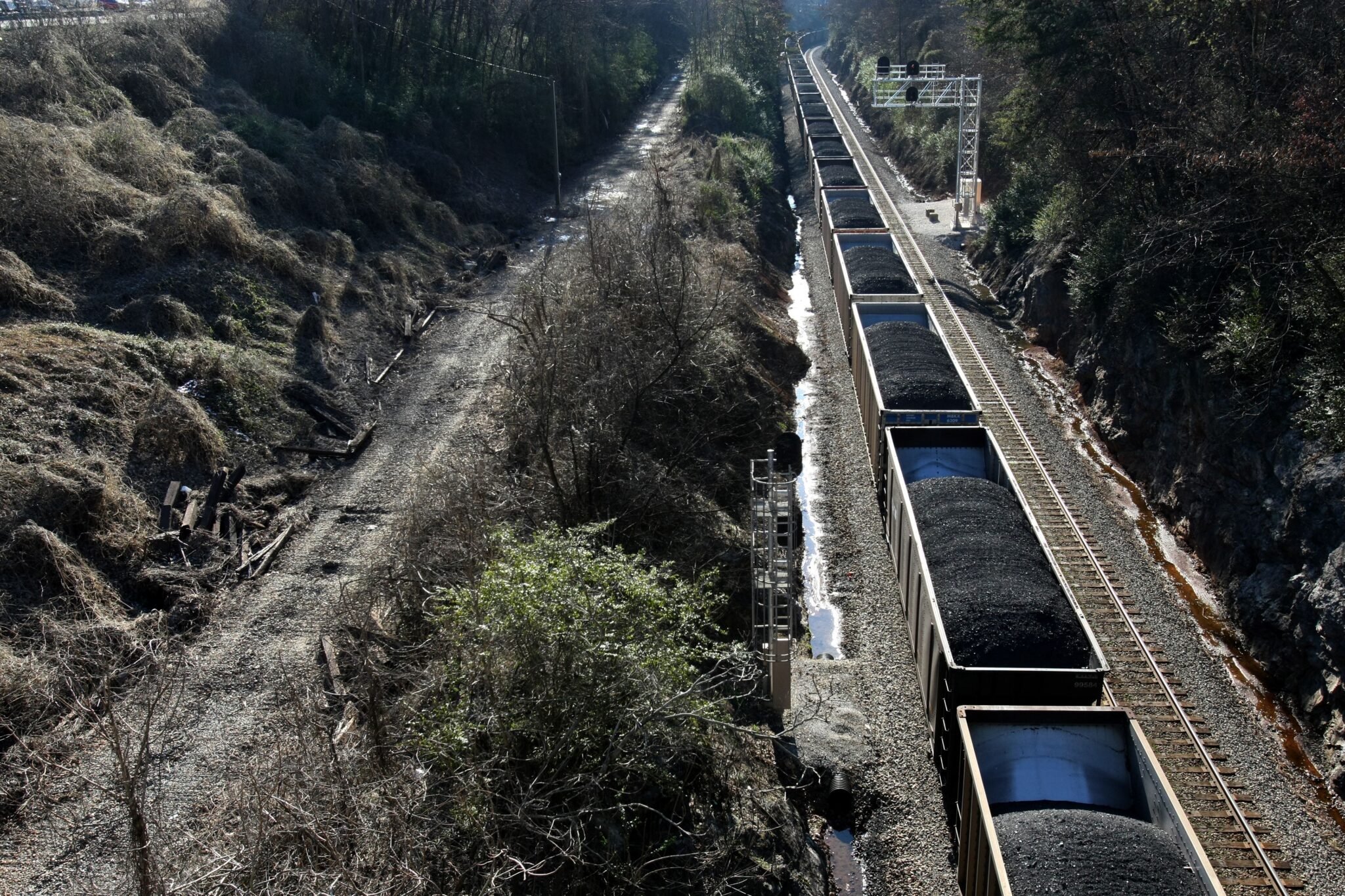
    TVA 1 2048x1365A hopper car on a train filled with coal to be delivered to a TVA coal-fired plant. John Partipilo/Tennessee Lookout

    Climate bill designates TVA as a potential recipient of clean energy investments and loans

    This story was originally published by Tennessee Lookout.

    KNOXVILLE  Clean-energy advocates are urging the Tennessee Valley Authority to use funds provided through the Inflation Reduction Act to deliver environmentally friendly energy to Tennessee customers. 

    The massive bill Congress passed Friday includes $370 billion for clean energy investments and listed TVA as an entity that is eligible to take advantage of clean energy credits and loans to significantly reduce the cost of energy-efficient infrastructure. 

    On Aug. 12, the Clean Up TVA Coalition, including the Sierra Club, the Southern Alliance for Clean Energy and Appalachian Voices, urged TVA to take advantage of the legislation and make funds available to its affiliated local power companies, which can then offer energy-efficient options for customers.

  • SACE sees many silver linings in Senate climate bill; House passage expected
    in News

    UN Climate ChangeA rainbow pierces gray skies during the 2021 United Nations Climate Change Conference in Glasgow. United Nations

    Climate activists stress positives of Senate climate bill despite its shortcomings 

    Amy Rawe is communications director for Knoxville-based Southern Alliance for Clean Energy.

    KNOXVILLE — The U.S. Senate passed the Inflation Reduction Act (IRA), an estimated $430 billion bill, of which approximately $370 billion will be allocated to investments in clean energy and to address climate change.

    It’s the single largest climate investment in U.S. history, and if it passes the House, will put the country on a path to be able to achieve roughly 40 percent emissions reduction from 2005 levels by 2030, reestablishing our influence in meeting the Paris Agreement goal of limiting global warming to 1.5 degrees Celsius. 

  • Dems pass huge climate bill assailed by some as another fossil energy sop
    in News

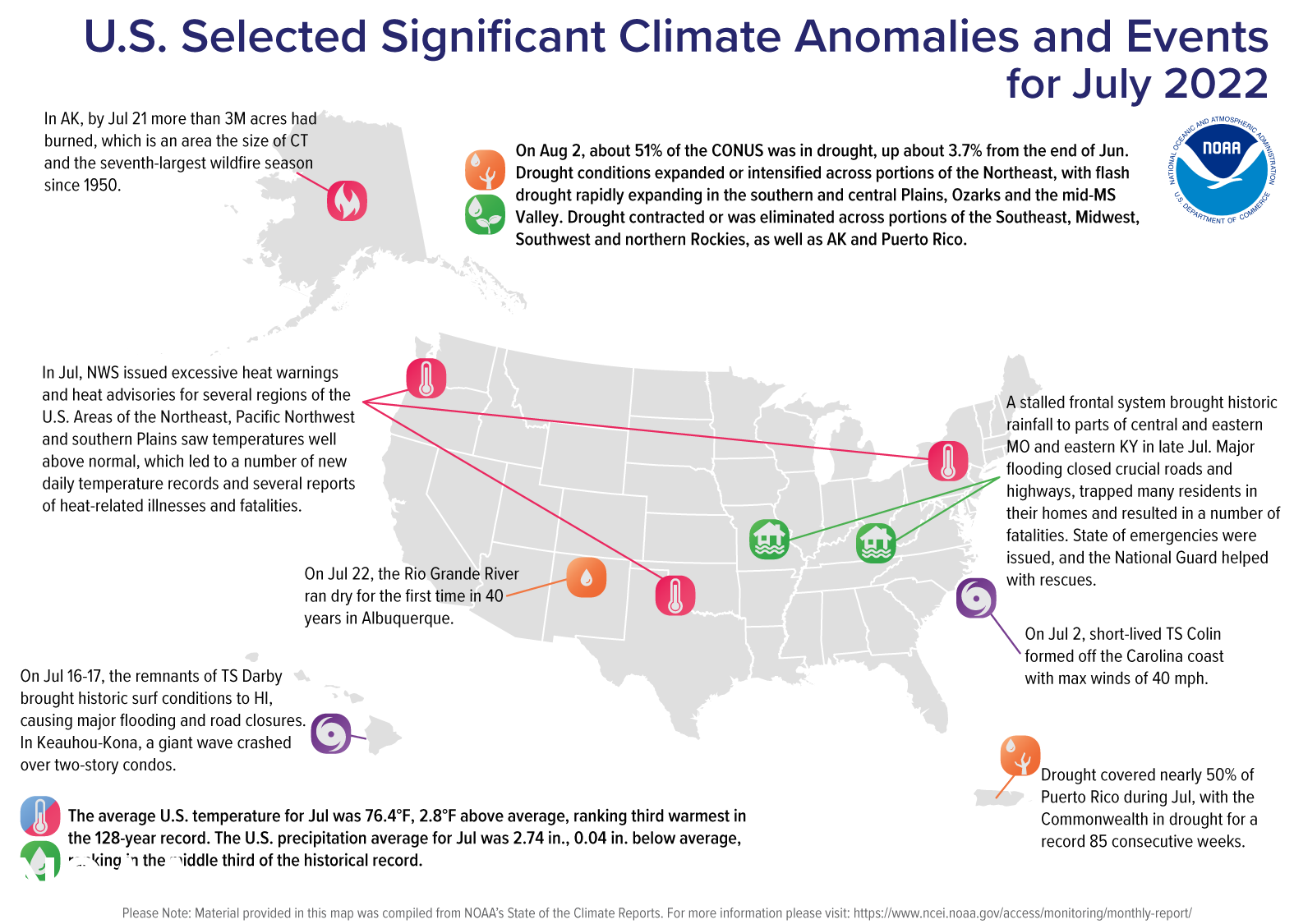
    5 July 2022 US Significant Climate Events Map

    Record-setting bill will fund extensive efforts to address climate change, but the sausage-making deal is decried by some as a ‘suicide pact’

    This story was originally published by Tennessee Lookout.

    WASHINGTON — The U.S. Senate, along party lines, passed a sweeping energy, health care, climate and tax package Sunday afternoon, following an overnight marathon of votes that resulted in just a handful of notable changes to the legislation.

    The 755-page bill was passed after Vice President Kamala Harris broke a 50-50 tie in the evenly divided Senate. It now heads to the House, where Democratic leaders have announced they will take it up on Friday.

    At last, we have arrived,” Senate Majority Leader Chuck Schumer said.  Democratic senators broke out into applause as Harris announced passage of the bill, expected to total more than $700 billion.

    Schumer, a New York Democrat, said he dedicated the measure to young Americans who have pushed and protested for the Senate to take action on climate change. 

  • SACE released its annual utility decarbonization tracking report, and it’s not pretty
    in News

    methane leaksBloomberg reports that methane leaks from the natural gas sector may be far worse than estimated by the EPA. While replacing coal-fired power plants with natural gas ones reduces air pollution it may not help at all with climate change because methane is 30 times more effective as a greenhouse gas than CO2.  Image source: Kayrros SAS

    Report: Many utilities are not reducing carbon emissions despite public assurances to the contrary

    KNOXVILLE — Global greenhouse gas emissions must peak by 2025 and experience rapid and deep reductions to avoid a potentially catastrophic future, according to a new analysis by air-quality and climate advocates. Emissions must reach net zero by the early 2050s to limit warming to 1.5 degrees (C) in order to avoid the worst impacts of the climate crisis.

    Many utilities and municipalities have acknowledged this dynamic, but the Southern Alliance for Clean Energy s fourth annual “Tracking Decarbonization in the Southeast" report highlights that current utility resource plans are not in line with this overarching target. Obstacles to getting utilities on track that are discussed in our report include: increasing reliance on fossil gas, underutilizing energy efficiency, and placing limitations on popular technologies such as rooftop solar. There’s still a lot of work to do before any Southeast utility is on track to decarbonize.

  • New SACE report documents shortfalls and headwinds against utility decarbonization
    in Air

    Southern Alliance for Clean Energy's fourth annual “Tracking Decarbonization in the Southeast: Generation and Carbon Emissions” report will be released Wednesday, June 22

    Amy Rawe is communications director for Knoxville-based Southern Alliance for Clean Energy.

    KNOXVILLE — The report examines power-sector generation and emissions throughout the Southeast, which is home to some of the biggest utility systems in the nation, including Duke Energy, Southern Company, NextEra Energy, and the Tennessee Valley Authority.

    Many of these Southeastern utilities have been in the national spotlight for their professed commitment to decarbonization, but there are often inconsistencies between stated goals and resource plans.

  • Court finds TVA contractor potentially liable for Kingston coal-ash cleanup injuries and deaths

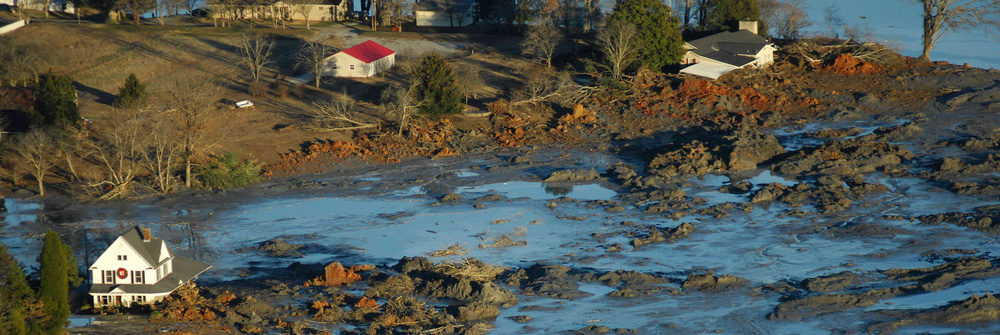
    coalash tvaspill dotgriffithOn Dec. 23, 2008, a massive dam at the Kingston coal-fired power plant in Harriman, Tenn., ruptured and spilled 1.1 billion gallons of coal ash into the Clinch and Emory rivers. Appalachian Voices teamed up with Southwings to take pictures from the air and launched two separate missions by water to test the river and fish for pollutants as a result of the spill.  Appalachian Voices

    Contractor that cleaned up infamous TVA ash spill not immune from responsibility for alleged unsafe worksite

    This story was originally published by Tennessee Lookout.

    CINCINNATI — A federal appellate court last week struck down a last-ditch appeal by a Tennessee Valley Authority contractor accused in the mass poisoning by radioactive coal ash waste of the utility’s Kingston disaster workforce.

    The 6th Circuit U.S. Court of Appeals ruled Jacobs Engineering Inc. cannot ride the coattails of TVA governmental immunity because TVA itself would not have been immune from liability had sickened workers chosen to sue the utility.

  • Southeast electric vehicle sales increased 49 percent last year. Overall U.S. auto sales increased only 3 percent.
    in News

    car driving toward sunlightIllustration courtesy of Southern Alliance for Clean Energy

    Annual SACE, Atlas Public Policy data indicates rapidly escalating and enduring demand for electric vehicles in Southern U.S.

    Stan Cross leads Knoxville-based Southern Alliance for Clean Energy's electric transportation policy and utility reform efforts across the Southeast.

    When will the electrification of America’s cars, trucks, and buses really take off?

    Imminently, if not already. Look to the Southeast, which is experiencing impressive EV market growth despite a lack of state-level EV-supportive policies, incentives and regulations.

    The Southern Alliance for Clean Energy and partner, Atlas Public Policy, updated key year-end indicator data from the annual “Transportation Electrification in the Southeast” report to capture regional and state-specific growth in Alabama, Florida, Georgia, North Carolina, South Carolina and Tennessee.

    This is a critical time for the expanding EV market. The pandemic has exposed global supply chain weaknesses related to auto manufacturing and battery production that can only be solved by increasing domestic production of critical materials and components.

    The Russian invasion of Ukraine is once again exposing the entanglement of America’s commitment to global democracy and dependency on oil for transportation, and highlighting the national security benefits of rapidly transitioning to electric mobility powered by domestic electricity.