
Displaying items by tag: eastern band of cherokee indians
For the win: The storied snail darter swims back from the brink
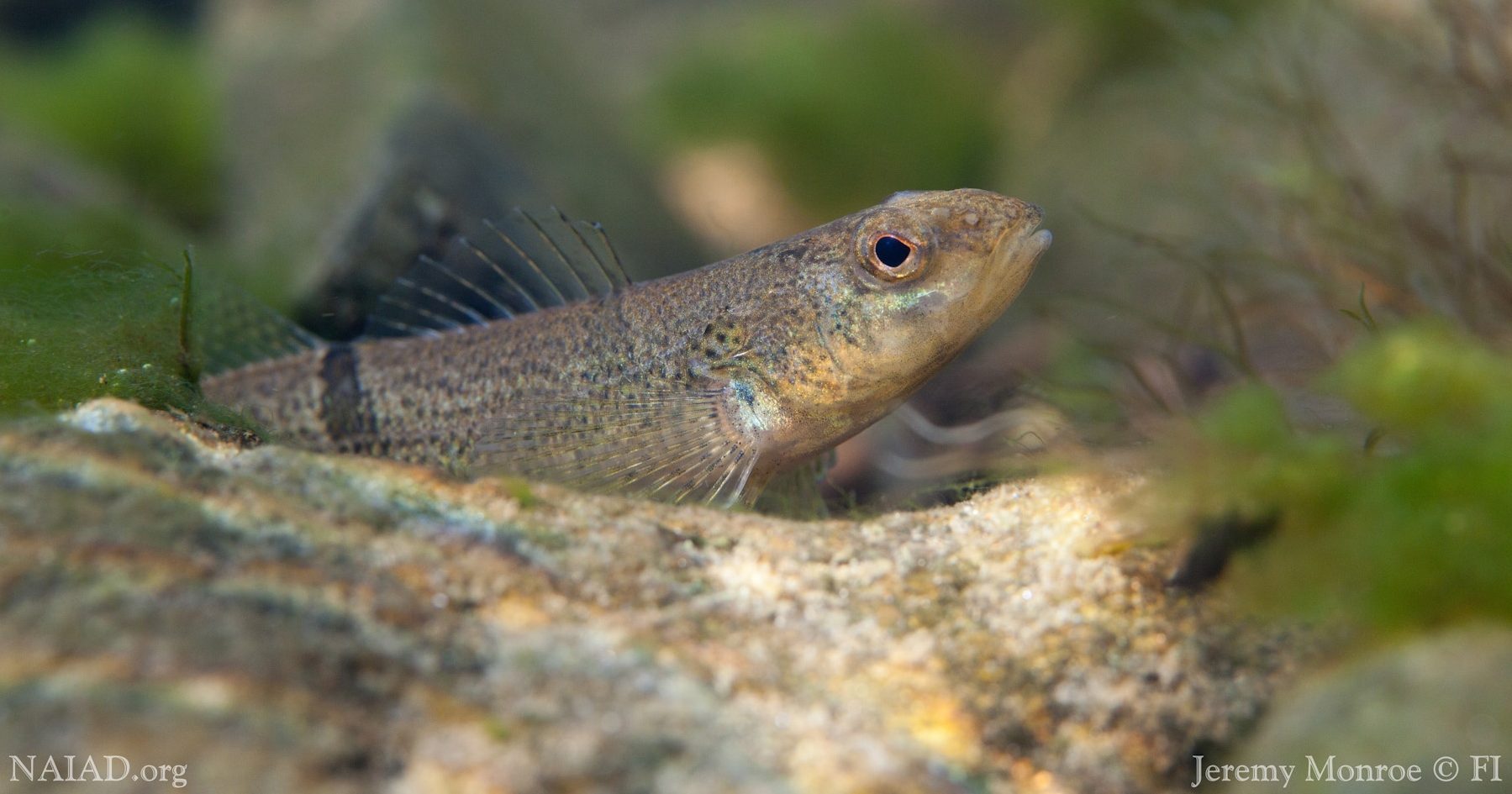 The snail darter, which caused an epic battle around TVA plans to dam the Tellico River in the 1970s, was recently removed from the Endangered Species List. Jeremy Monroe/Tennessee Aquarium
The little fish that caused a maelstrom over a TVA dam project gets the last laugh
TELLICO — In a win for endangered species protected by federal law, the U.S. Fish and Wildlife Service announced this week the fabled snail darter’s recovery and removal from the Federal List of Threatened and Endangered Wildlife.
Native to the Tennessee River watershed in Alabama, Georgia, Mississippi and Tennessee, the fish has long been an Endangered Species Act icon thanks to conservation efforts to save its habitat starting in the 1970s, when the Tennessee Valley Authority proposed construction of a dam on the Little Tennessee River. The snail darter (Percina tanasi) was central in the 1978 U.S. Supreme Court case Tennessee Valley Authority v. Hill, which solidified the scope of the then recently passed ESA.
- snail darter
- endangered species
- endangered species act
- tellico dam
- southern environmental law center
- snail darter removed from endangered species list
- tva vs hill
- little tennessee river
- eastern band of cherokee indians
- ramona mcgee
- george nolan
- tennessee valley authority v hill
- habitat conservation
- us supreme court
- percina tanasi
- threatened species
Has the Eastern Band of Cherokee Indians lost its ‘right way’ at Exit 407?
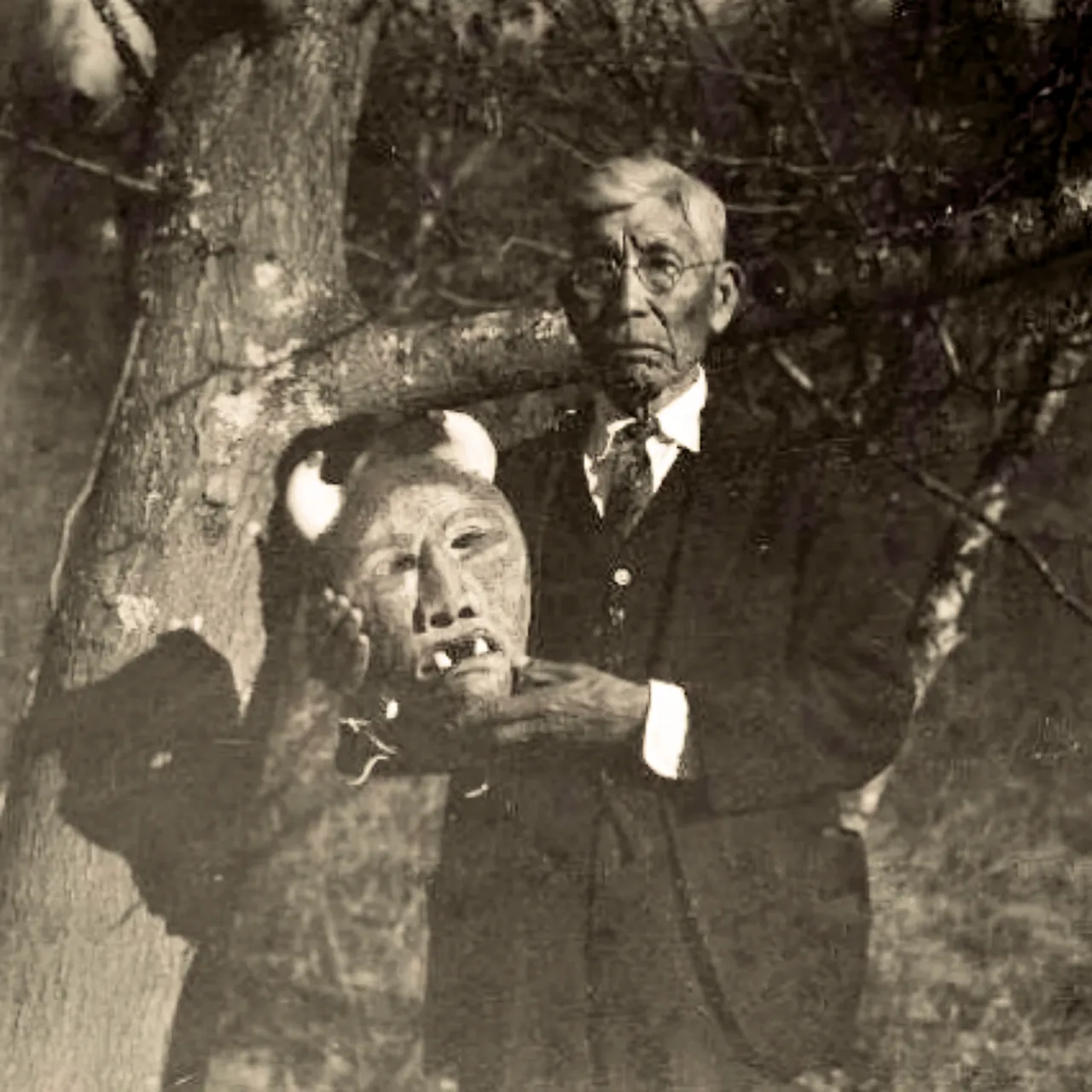 Cherokee tribal council member, historian and ethnographer Will West Long holds a traditional Cherokee mask, which he often recreated. He was an active chronicler of Cherokee custom, heritage and tradition and died in 1947 on the Qualla Reservation in Swain County, North Carolina. WikiCommons
As plans gel for massive new developments, has the Eastern Band lost its ancient way?
SEVIERVILLE — The Tennessee Department of Transportation is eyeing a second interchange for exit 407 at Highway 66 along Interstate I-40 in Sevier County.
Exit 407, already one of the most congested interchanges in Southern Appalachia, accesses the main highway to Great Smoky Mountains National Park, the most visited national park in the nation. The park reported a record 14 million visitors in 2021.
The exit also serves crowds flocking to Pigeon Forge and Gatlinburg.
But the new interchange would primarily serve a 200-acre development to be called Exit 407: The Gateway to Adventure.
Scheduled to open spring 2023, and fully operational in 2024, it’s expected to attract 6.7 million people annually. The first phase includes a theme park and a 74,000-square-foot convenience store with 120 gas pumps, making it the world’s largest such store.
- exit 407
- eastern band of cherokee indians
- cherokee
- buc'ees
- world's largest convenience store
- cherokee, nc
- qualla boundary
- theme park at exit 407
- cherokee 'the right way'
- great smoky mountains national park
- great smokies visitation
- sevier county
- swain county
- cherokee casino
- when will buc'ees open in sevier county
- buc'ees beef jerky
- trail of tears
- pigeon forge
- gatlinburg, tn
- traffic in smokies
- traffic in sevier county
- will west long
- cherokee tradition
- cherokee heritage
- what was cherokee's connection to the environment
- rick vaughan
- hellbender press cherokee
- i40 exit for smoky mountain
- did cherokee hunt mastodon?
Oak Ridge National Laboratory land is an international treasure of biodiversity
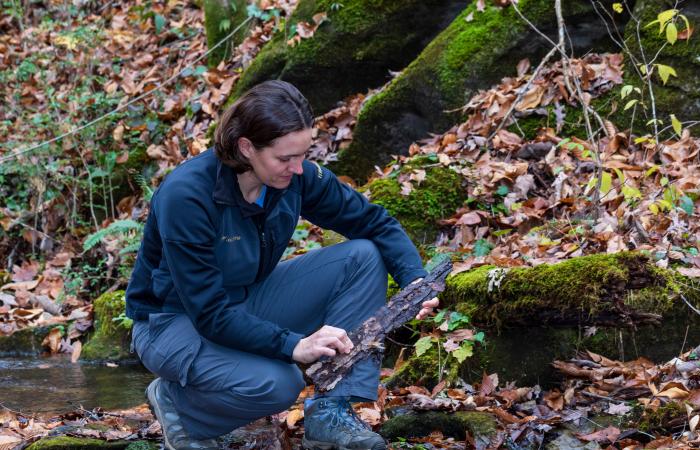 Aquatic ecologist Natalie Griffiths studies nutrients and contaminants in the Weber Branch watershed, which is in the Oak Ridge Environmental Research Park. Courtesy Carlos Jones/ORNL
ORNL research lands are an international ecological benchmark and diverse wonderland of trees, plants, mammals, reptiles and amphibians
Abby Bower is a science writer for Oak Ridge National Laboratory.
The Department of Energy’s Oak Ridge National Laboratory (ORNL) is a hub for world-class science. The nearly 33,000-acre space surrounding the lab is less known, but also unique. The Oak Ridge Reservation (ORR) is a key hotspot for biodiversity in the Southeast and is home to more than 1,500 species of plants and animals.
At the intersection of Anderson and Roane counties is an important subset of the reservation — the Oak Ridge National Environmental Research Park, or NERP — a 20,000-acre ORNL research facility that has been internationally recognized by UNESCO as an official biosphere reserve unit.
“The National Environmental Research Park is a living laboratory and a major resource for conducting ecological studies,” said Evin Carter, an ORNL wildlife ecologist and director of the Southern Appalachian Man and the Biosphere Program, or SAMAB. The NERP has been a core part of SAMAB, which has focused on sustainable economic development and conserving biodiversity in Southern Appalachia since 1989.
With ORNL researchers and scientists from government agencies and academia using the NERP for diverse experiments each year, the park lives up to its status as a living laboratory.
It also lives up to its reputation as a biodiversity hotspot. As one of seven DOE-established environmental research parks reflecting North America’s major ecoregions, it represents the Eastern Deciduous Forest. The NERP comprises parts of this ecoregion that have been identified repeatedly as priorities for global biodiversity conservation, Carter said.
This designation means more than ever as climate change alters ecosystems and biodiversity declines worldwide. According to a landmark international report, on Biodiversity and Ecosystem Services, around one million plant and animal species are currently threatened with extinction.
- oak ridge national laboratory
- ornl
- ecological benchmark
- oak ridge national environmental research park
- nerp
- biosphere reserve
- southern appalachian man and the biosphere
- samab
- biodiversity
- unesco
- oak ridge reservation
- orr
- ecoregion
- culturally significant plant species initiative
- cspsi
- evin carter
- kitty mccracken
- eastern band of cherokee indians
- neon
- national ecological observatory network
- northern longeared bat
- indiana bat
- grey bat
- endangered species
- threatened species
- purple gallinule
Natural 911: Knoxville Native Plant Rescue Squad whisks threatened plants to safety
 Joy Grissom (left) and Gerry Moll pose for a photograph with their collection of rescued native plants at Knoxville Botanical Gardens. Photos by Anna Lawrence/Hellbender Press
Joy Grissom and Gerry Moll: Preserving East Tennessee’s natural heritage with shovels and wheelbarrows
If there’s a massive ecological disturbance in your neighborhood, who you gonna call?
The Knoxville Native Plant Rescue Squad, of course.
Joy Grissom and Gerry Moll spent the past six years identifying, digging, hauling and muscling native East Tennessee plants to salvation from construction, grading and logging sites.
The duo has saved thousands of plants and their communities from certain demise. They have plucked plants to safety from areas ranging from a 170-acre logging operation in Cocke County to relatively small commercial developments in Knox County.
“We both love and appreciate the natural world, a lot,” Moll said. “We would see that where there is development, a lot of these native plants are just bulldozed under,” he said during an interview earlier this spring at the Knoxville Botanical Garden. Thus the genesis of the Native Plant Rescue Squad, which was organized 2015 and received its own official nonprofit status in 2018.
Most of the plants and trees are harvested in a “shovel and wheelbarrow operation” after an initial canvass of the property. Then they get organized by species in neat rows at the botanical garden: White pine saplings. Black-eyed susans. Blackberries. Elderberries. Pawpaw. Persimmon. The plants are fragile but safe. They are for sale on the cheap. They need homes.
- knoxville native plant rescue squad
- ecology
- habitat
- garden
- plant rescue
- tree rescue
- planting
- knoxville botanical garden and arboretum
- preservation
- east tennessee
- natural heritage
- knox county
- developer
- land owner
- contractor
- forever home
- farmers market
- salvage
- eastern band of cherokee indians
- knox county schools